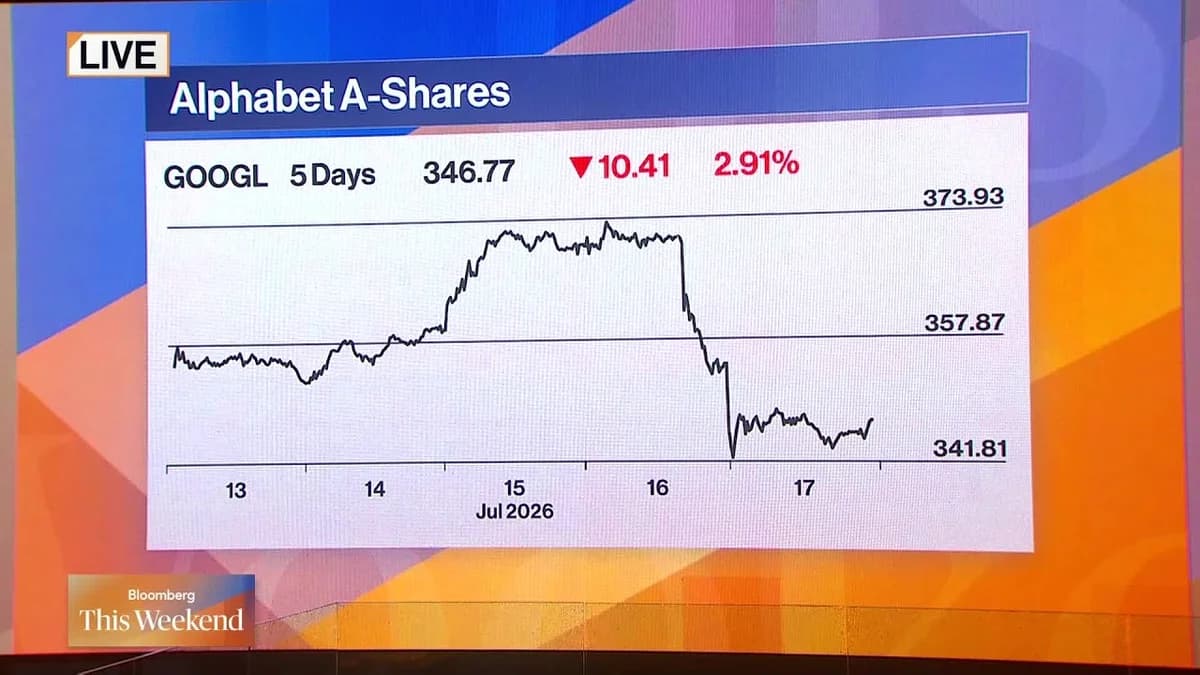
Chip stocks lose $1.3 trillion as AI trade unwinds
Chip stocks shed $1.3 trillion in a single session as Broadcom’s weak AI outlook cracked the market’s hottest trade.

U.S.-traded chipmakers suffered a brutal reset, erasing about $1.3 trillion in market value as investors rushed out of the artificial intelligence trade that had powered the sector for months. Nvidia fell about 6%, wiping out more than $300 billion of market capitalization, Micron Technology dropped 13%, Marvell Technology lost about 17% and Advanced Micro Devices slid nearly 11%.
The selloff gathered force after Broadcom’s June 3 earnings report disappointed on revenue and failed to deliver the upside that investors had been counting on. Broadcom did not lift its AI-chip sales outlook, and that gap between expectations and reality quickly spread through Wall Street’s most crowded tech bet. The message from the market was blunt: the chip story had been priced for near-perfect execution, especially around AI infrastructure demand, and even a modest miss was enough to shake confidence.
Trader Dennis Dick of Triple D Trading captured the shift in sentiment, saying investors had been “blindly buying the dip.” That kind of complacency is exactly what the latest reversal exposed. After a year in which semiconductor shares had been among the market’s strongest performers, with some reports putting gains above 90% year to date, the sector’s valuation had become vulnerable to any sign that AI spending might not keep accelerating at the same pace.
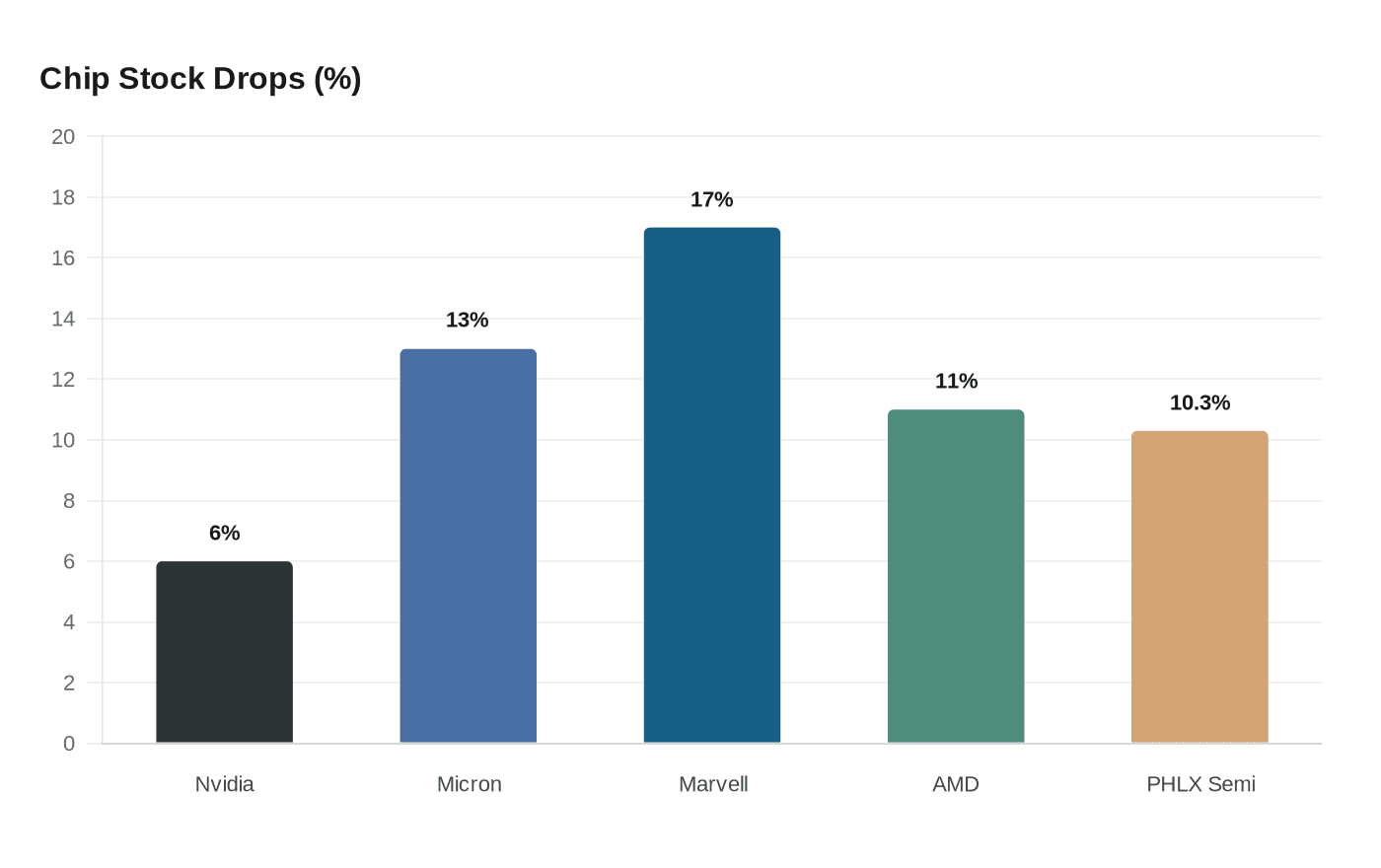
The pullback was broad enough to hit the PHLX Semiconductor Index, which fell 10.3% on June 5, its steepest one-day drop since March 2020. The move also ended Wall Street’s nine-week winning streak and delivered the technology sector its largest daily decline since April 2025. For investors, that matters because semiconductors have been one of the clearest engines of the 2026 rally, helping drive index funds, retirement accounts and momentum-heavy portfolios higher.
The damage was not only about AI. A stronger-than-expected May jobs report raised fears that the Federal Reserve could stay hawkish longer, pushing yields higher and pressuring richly valued growth stocks. But the size of the chip wipeout showed how much of the market had been built on one assumption: that AI-related capital spending from cloud giants and data center operators would keep justifying extreme chip valuations. If that spending slows, the pressure will spread beyond Nvidia and Broadcom to the companies that build data centers, sell networking gear and anchor the broader tech complex.
This article was produced by Prism’s automated news system from verified source data, official records, and press releases, then run through automated quality and moderation checks before publishing. The system is built and supervised by the people who set the standards it runs under. Read our full AI policy.
Did this article answer your question?