How to prepare for a surprise HVAC replacement bill
A 20-year-old HVAC system can turn a closing into a five-figure surprise. Know the warning signs, compare financing, and inspect age and service history early.
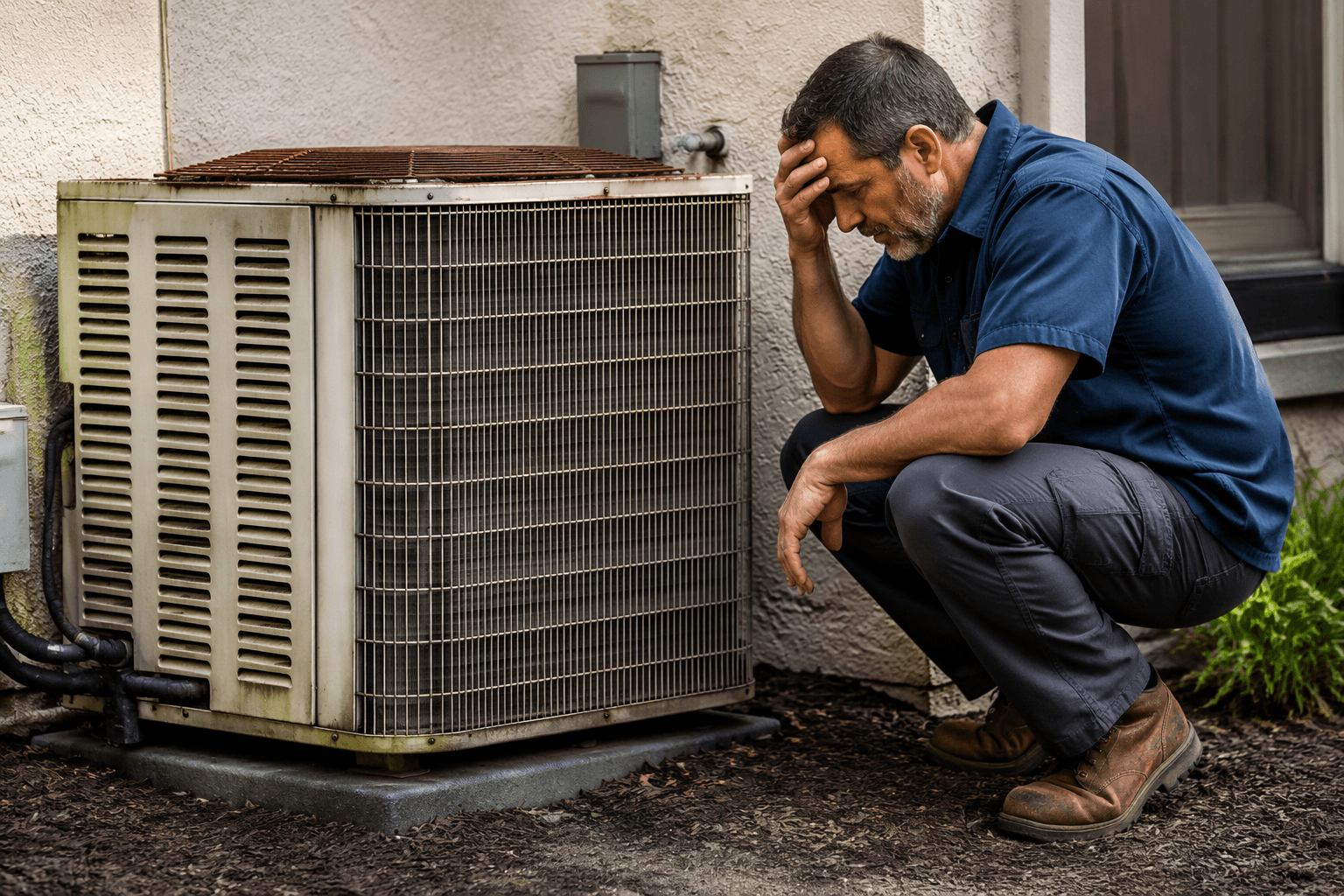
Carrier puts HVAC replacement at about $3,000 to more than $15,000. It is one of the biggest hidden cost shocks in ownership because the system may already be near the end of its life when you sign the papers, not years later.
Why the bill arrives sooner than you expect
Modern HVAC systems generally last 15 to 25 years, with furnaces often reaching 15 to 30 years and air conditioners lasting 15 to 20 years with proper maintenance, Carrier says. That means a system in a newly purchased home can already be close to retirement, even if it is still working on move-in day.
Replacement costs vary depending on equipment type, efficiency rating, and installation complexity. Bob Vila’s breakdown is narrower but still painful: $5,000 to $12,500, with a national average of $7,500.
That cost range is why age matters so much in a home purchase. A 14-year-old furnace may not be failing yet, but it is no longer a distant expense either. A 2024 industry writeup included survey data showing HVAC contractors and homeowners generally agreed on unit lifespan.
The warning signs that deserve attention
An aging HVAC unit rarely gives only one warning. Common signs before complete failure include old age, higher energy costs, unusual noises or smells, and reduced performance. American Standard also flags funny sounds and smells, along with rising bills, as reasons to start planning for replacement.
One of the most common early signs is uneven comfort inside the house. A worn-out system can leave one room too hot and another too cold, which is often the first clue that the unit is struggling to keep up. If the system runs longer than it used to, cycles on and off constantly, or seems to lose strength during the hottest or coldest days, those are practical signs that the equipment is aging out.
It helps to separate “needs work” from “needs replacement.” Age alone is not always a reason for immediate replacement in a home-inspection context, and a unit that is 15 or 18 years old may still have useful life left. But once a system is near the upper end of its expected lifespan, the goal shifts from surprise prevention to budgeting and negotiating.
What to inspect before you close
Before closing, treat HVAC like any other major piece of the house balance sheet. Focus on three facts that matter most: the system’s age, its maintenance history, and the quality of its installation. Those three items usually tell you more about future risk than a quick test of whether the air is blowing cold.
A practical inspection sequence looks like this:
1. Confirm the age of the equipment.
Find the manufacture date or install date for both the heating and cooling components. If the furnace is already in the 15 to 30 year window or the air conditioner is approaching 15 to 20 years, budget as if replacement may be coming soon.
2. Ask for maintenance records.
Regular service extends life, especially for air conditioners, which Carrier says can last 15 to 20 years with proper maintenance. Missing records do not prove failure, but they do make future costs harder to predict.
3. Check for performance issues during the inspection.
Uneven room temperatures, odd noises, or unusual smells should be treated as concrete warning flags, not minor annoyances. Those symptoms often point to a system that is working harder than it should.
4. Use the inspection to negotiate, not to panic.
Age by itself does not mean the system must be replaced immediately. It does mean you may want a price concession, a seller credit, or a larger reserve set aside for a likely repair bill.
A unit can pass a basic test and still be expensive to own over the next few seasons.
How to pay if replacement lands right after closing
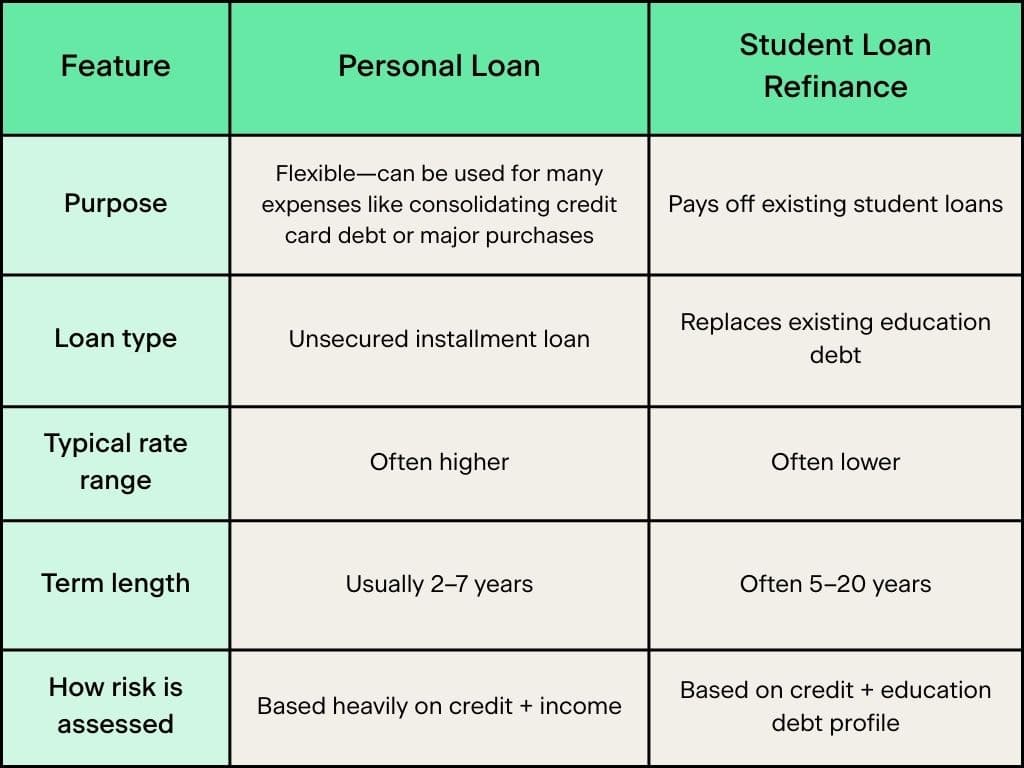
If the unit fails soon after you move in, you usually have three broad financing routes: a personal loan, a home equity loan, or a HELOC. The right fit depends on how much equity you have, how quickly you need money, and how comfortable you are borrowing against the home.
A personal loan can be simpler when you do not want to tap equity. Home equity borrowing may be available if you have enough ownership built up, but it ties the repair bill to the house itself. That matters when the replacement is urgent, because the worst time to shop is usually the middle of a heat wave or a cold snap.
Some HVAC lenders market fast approvals and monthly-payment plans. Those offers can be useful, but the price tag still needs to be compared against other borrowing options, especially if the replacement estimate is already in Bob Vila’s $5,000 to $12,500 range or above Carrier’s $15,000 upper end.
After closing, budget for the next failure before it starts
Once you move in, the best protection is to assume the HVAC system is a depreciating asset. Set aside money each year if the unit is already in the late part of its lifespan, because the replacement bill rarely arrives at a convenient moment. That reserve can keep a routine breakdown from becoming a debt decision made under pressure.
Keep watching for the same signs you looked for before closing: old age, higher energy costs, unusual noises or smells, and inconsistent temperatures. If those show up together, replacement is getting close.
This article was produced by Prism’s automated news system from verified source data, official records, and press releases, then run through automated quality and moderation checks before publishing. The system is built and supervised by the people who set the standards it runs under. Read our full AI policy.
Did this article answer your question?