How to ask for credit card hardship relief before falling behind
Hardship relief can buy time, but the terms vary by issuer. Before you enroll, ask whether the card stays open, how credit reporting works, and what proof you need.
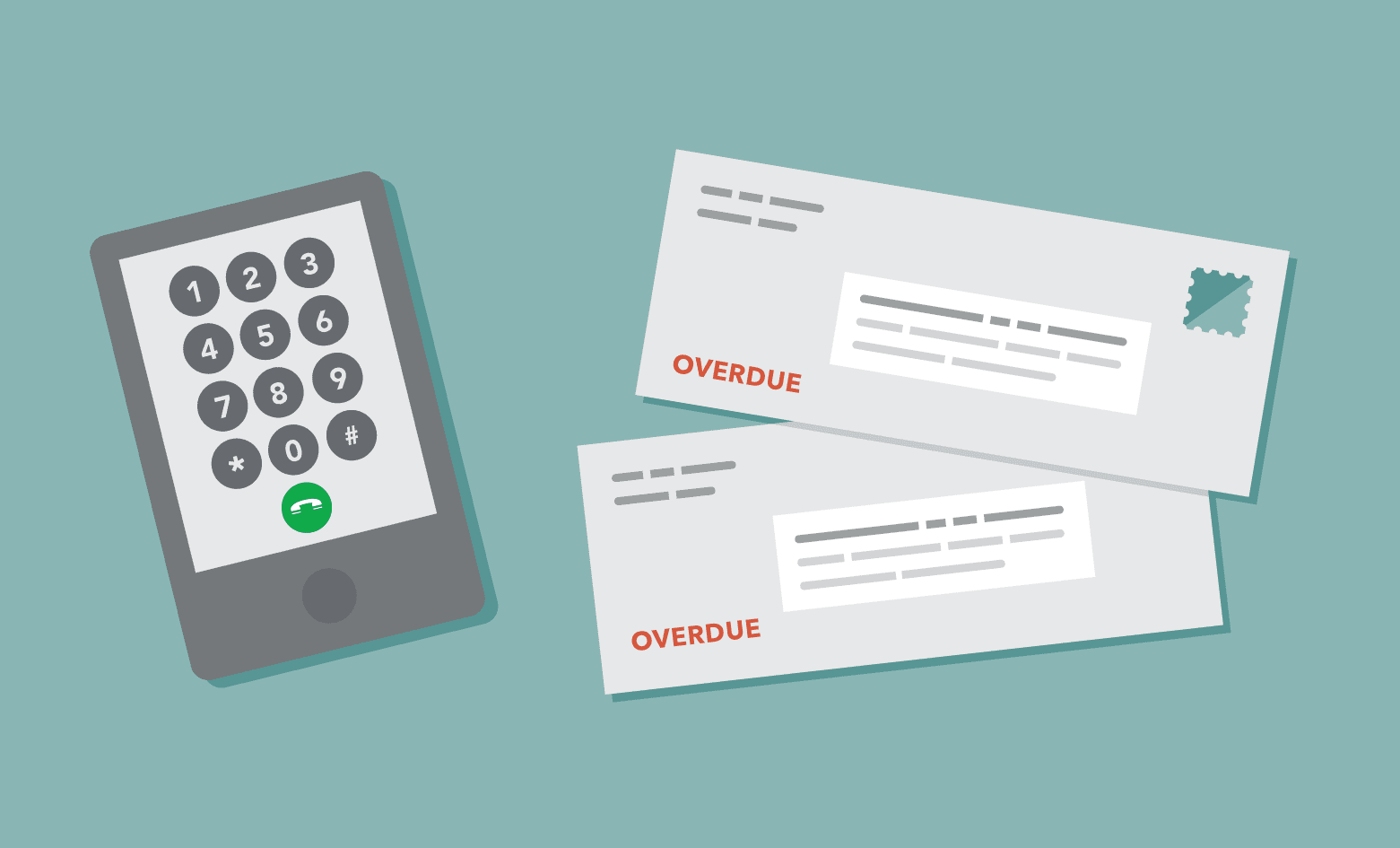
If your balance is starting to slip, call the card issuer before the account goes delinquent. The Consumer Financial Protection Bureau urges consumers with credit card debt to contact their credit card company for help, and major issuers such as Wells Fargo and Discover maintain assistance pages for customers who need it.
Start before the first missed payment
Open a hardship file early. Issuers can offer temporary payment help, reduced rates, fee waivers, or other forbearance-style relief, but the terms vary sharply from one bank to another. The key questions come before you enroll: whether the account will be closed, whether missed payments will still be reported, and what documentation the issuer wants to see.
In its 2021 Consumer Credit Card Market Report, the bureau counted more than 175 million Americans with at least one credit card. It also collects and publishes terms from more than 150 issuers every six months, so hardship programs do not look uniform across the market.
What to ask before you agree
Do not treat a hardship offer as a generic yes-or-no fix. Ask for the exact mechanics in plain language, because the differences can affect both cash flow and your credit file.
- Will the account stay open, or will the issuer freeze or close it?
- Will the program lower the APR, waive fees, or both?
- Will required payments be reduced, paused, or deferred?
- Will missed or reduced payments still be reported to the credit bureaus?
- What happens when the temporary relief period ends?
- What documents does the issuer want before it approves help?
Those questions matter because a plan that lowers your payment but keeps reporting delinquencies can help your budget without protecting your score. A plan that pauses payments may buy time immediately, but if the account is closed or fees resume quickly, the long-term benefit can be smaller than it first appears.
How hardship programs differ by issuer
Large issuers still maintain dedicated relief channels. Wells Fargo has a credit card payment help center. Discover publishes information on financial hardship programs and debt relief resources for credit card customers.
The differences are in the details. One issuer may focus on temporary APR relief, another on fee reductions, and another on a payment pause tied to a fixed review period. Because the CFPB collects market data from more than 150 issuers twice a year, consumers are dealing with a market that is broad enough for real variation, not just a standard script.
The 2024 CFPB final rule on credit card penalty fees addressed late fees charged by larger card issuers with one million or more open credit card accounts. Even so, a fee rule is not the same thing as hardship relief, which is why asking for issuer-specific help still matters before the first payment is missed.
The paperwork that helps your case
Eligibility often depends on proof of hardship. Common qualifying events listed in consumer guidance include job loss or reduced income, medical emergencies or high medical bills, divorce or separation, and natural disasters. If your situation fits one of those categories, be ready to explain it clearly and provide whatever documentation the issuer requests.
That can mean records tied directly to the hardship event, and the stronger the paper trail, the better the odds of approval. A clean, specific request is easier for a lender to process than a vague plea for help, especially when the issuer is deciding whether to lower a rate, waive fees, or suspend payments temporarily.
Regulation Z requires creditors to provide written disclosures for account-opening offers and temporary rate or fee reductions. Those disclosure rules sit under the Truth in Lending Act, enacted on May 29, 1968, with Regulation Z taking effect on July 1, 1969. In practice, that means you should expect the relief terms in writing, not just a verbal promise over the phone.
Why early contact matters for your credit file
The CFPB took action during the pandemic to help consumers receive relief from credit card issuers more quickly. When you call before an account becomes seriously past due, you have more room to negotiate a plan that preserves access, limits fee growth, and reduces the chance of a long reporting trail.
That does not make hardship relief risk-free. If the issuer says the card will be closed, you lose future borrowing capacity on that account. If missed payments are still reported, the program may protect your budget more than your credit score. Asking those questions first is what separates a workable temporary fix from a surprise that makes the debt harder to manage later.
If you are in the military
If you are covered by the Servicemembers Civil Relief Act, the rules can be different again. The SCRA protects people in the military or uniformed services and can limit, postpone, or pause some financial obligations during military service. That protection is separate from a standard hardship program, so it is worth raising both possibilities if you qualify.
This article was produced by Prism’s automated news system from verified source data, official records, and press releases, then run through automated quality and moderation checks before publishing. The system is built and supervised by the people who set the standards it runs under. Read our full AI policy.
Did this article answer your question?