Choosing Non-Diamond Engagement Stones: Durability, Care, Sapphire and Emeralds
Engagement rings are daily wear—pick stones for both scratch resistance and impact resistance: sapphires and rubies score high; emeralds are beautiful but need extra care.
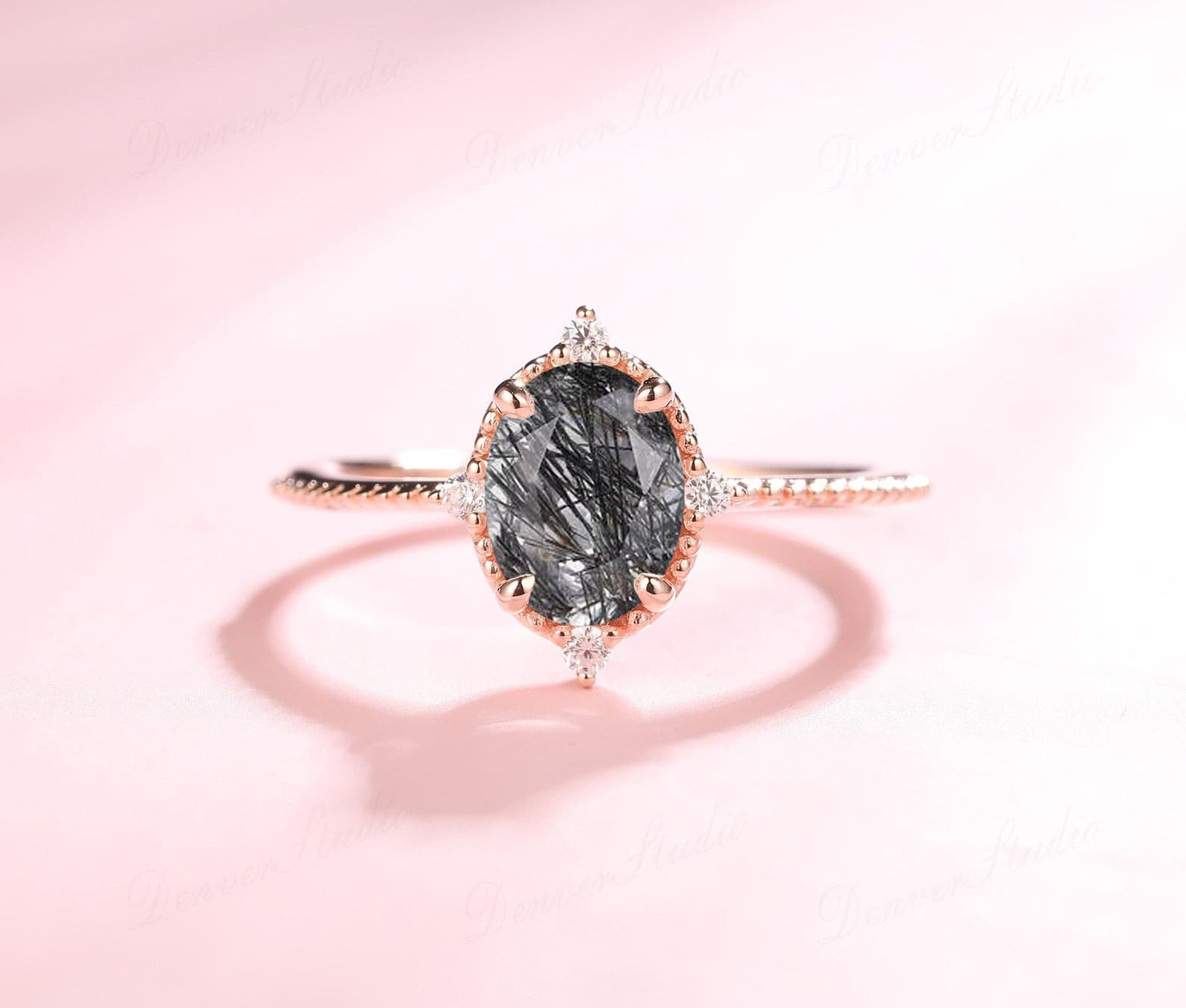
“Engagement rings are meant to be worn daily, so durability is an essential factor when choosing a non-diamond center stone.” That sentence from Martin Busch Jewelers is the practical rule that should guide every non-diamond purchase. Colored gems offer personality and color in ways diamonds do not, but not every pretty stone is built for life on the hand. Jewelers Mutual puts it bluntly: “When it comes to non-diamond engagement rings, there are a gazillion colored stones to choose from, all of them visually intriguing, but not all are suitable for engagement rings.”
Hardness vs. toughness: two different things to check
The most commonly cited measure for gem durability is the Mohs hardness scale, which “ranks gem and mineral hardness from 1 (softest: talc) to 10 (hardest: diamond).” Both Martin Busch and Jewelers Mutual use that scale to flag stones that survive everyday wear: “The Mohs hardness scale measures a gemstone’s resistance to scratching, with diamonds ranking at 10 (the hardest mineral),” Martin Busch notes, and Jewelers Mutual adds that “the higher a stone rates on the Mohs scale, the safer it is for feature in a jewel you’re going to be wearing every day.”
Hardness (scratch resistance) is not the whole story. Toughness — a gem’s resistance to chipping, cleavage, and breakage under impact — determines whether a stone will chip if the ring bangs a doorframe or is dropped on tile. Some stones with high Mohs scores can still be brittle in practice; conversely, slightly softer but tougher stones can survive knocks better. When choosing a non‑diamond center, evaluate both metrics and prefer settings that protect less-tough stones.
- Moissanite — “Moissanite – 9.25 on the Mohs scale; an excellent alternative to diamonds.” Martin Busch positions moissanite as “the closest match” for diamond‑like sparkle and one of the most scratch‑resistant non‑diamond options listed. Expect a bright, fiery look and a stone that stands up well to everyday abrasion.
Stone profiles: what the numbers mean for wear
- Sapphire — “Sapphire – 9 on the Mohs scale; highly durable and available in many colors.” Both sources highlight sapphire as a top contender for colored engagement stones because of its combination of hardness and range of hues, from deep cornflower blue to padparadscha and parti colors.
- Ruby — “Ruby – 9 on the Mohs scale; strong, vibrant, and deeply symbolic.” Martin Busch calls ruby “ideal for lifelong wear,” pairing its durability with symbolism (“love, passion, and energy”) and vivid red color that holds up to repeated wear.
- Emerald — “Emerald – 7.5–8 on the Mohs scale; durable but requires more care.” Martin Busch frames emerald as “The Romantic & Sophisticated Choice,” noting its “rich green with a mesmerizing glow” and that it “requires more care than sapphires and rubies.” Expect naturally occurring inclusions and common treatments (such as oiling) that affect both appearance and how a jeweler will recommend protecting the stone.
- Other stones (spinel, morganite, etc.) — The original practical guide lists spinel and morganite among examples of non‑diamond centers, but specific hardness values and wear guidance for those stones were not provided in the supplied notes. If you’re looking beyond sapphire/ruby/emerald/moissanite, get numeric Mohs values and ask about toughness and treatments before committing.
Treatment, grading and the price caveat
Don’t assume a non‑diamond ring is automatically cheaper. Jewelers Mutual warns: “Speaking of budget, it’s a mistake to think that nixing a diamond center stone automatically saves you money. In fact, some non-diamond engagement rings can be quite expensive indeed, and it’s not uncommon for a high-quality colored stone to far exceed the price of a diamond of comparable quality.” Labs grade the best colored gems not just by size and cut but by “the distribution and intensity of color in the stone,” and “exceptional examples of colored gems—especially those that have not been heat-treated or otherwise enhanced—are rare and highly prized and have price tags to match.” Always ask whether a stone is heat‑treated, oiled, fracture‑filled, or diffusion‑enhanced and factor that into both price and care expectations.
Settings and metal: look beyond the stone
Metal affects how a color reads: “The choice of metal can enhance the beauty of a gemstone, making it appear warmer, cooler, or even brighter,” Martin Busch advises. Practical pairings matter: protective settings (bezels, low-profile halos, or heavy prongs) can shield more fragile stones like emeralds; higher-prong cathedral settings suit hard stones like sapphire and ruby, exposing the table for light return. Ask your jeweler for photos of the exact setting with the stone you’ll buy and discuss routine inspection intervals.
Care, insurance and repairs
Because engagement rings are daily‑wear items, plan for maintenance. Jewelers Mutual emphasizes that your center stone “needs to be hard and sturdy enough to withstand everyday wear (and the occasional bumps that go along with it).” For emeralds, that means gentler cleaning, avoidance of ultrasonic cleaners if the stone is oiled, and more frequent inspections of prongs and mounting. For hard stones like sapphire, routine inspections still matter but the risk of scratches and chips is lower. Consider insurance for replacement and repair—non‑diamond centers can have different claim patterns and valuation quirks than diamonds.
- Confirm Mohs hardness (diamond = 10; moissanite = 9.25; sapphire = 9; ruby = 9; emerald = 7.5–8).
- Ask about toughness and real‑world chipping examples for that stone.
- Request lab documentation and full disclosure of treatments. “The most exceptional colored gems are graded by gemological laboratories according to the distribution and intensity of color in the stone,” so insist on certificates for high‑value pieces.
- Choose a protective setting when appropriate and discuss metal choices with your jeweler.
- Budget for insurance and routine inspections.
A practical buying checklist
Choosing a non‑diamond engagement stone is an act of taste and a technical decision. Balance the romance of an emerald’s green, a ruby’s red, or a sapphire’s infinite palette with the pragmatic facts of Mohs numbers, toughness, treatments, and protective settings. As Martin Busch puts it, a good ring “balances beauty, durability, and significance.” If you do that, you won’t have to choose between the story you want to tell and a ring that survives a life well lived.
Know something we missed? Have a correction or additional information?
Submit a Tip