Chore Jackets to Carpenter Trousers: Workwear Tailored for the Office
Workwear silhouettes—chore jackets, carpenter trousers, coveralls—translate into meeting-ready office looks that keep utility and polish in equal measure.

Make your office wardrobe work harder: chore jackets to carpenter trousers bring a functional, textured alternative to suits without sacrificing polish. Utility and workwear silhouettes—coveralls, chore jackets, carpenter trousers, chore coats, chore blazers and chore-style overshirts—appear increasingly in workplace wardrobes, and this guide gives meeting-ready outfit recipes that honor their practical DNA while keeping them office-appropriate.
The appeal of workwear for the office Workwear reads as honest: heavy cottons, visible seams, patch pockets and relaxed proportions communicate competence. That functional DNA is exactly why chore jackets and chore coats translate so well from the workshop to the conference room—those patch pockets and boxy shoulders give structure without stiffness. Chore blazers smooth that edge, bringing lapels and tailoring to the chore silhouette for meetings that require a touch more authority. Use these pieces when you want to look capable and considered.
Know the pieces (and what each brings) Coveralls: The single-piece coverall is inherently utilitarian, with a zip or button front and roomy cut. For the office, choose tailored or semi-fitted versions in dark indigo denim or a midweight twill; the silhouette reads streamlined when the sleeves are neatly cuffed and a slim leather belt anchors the waist.
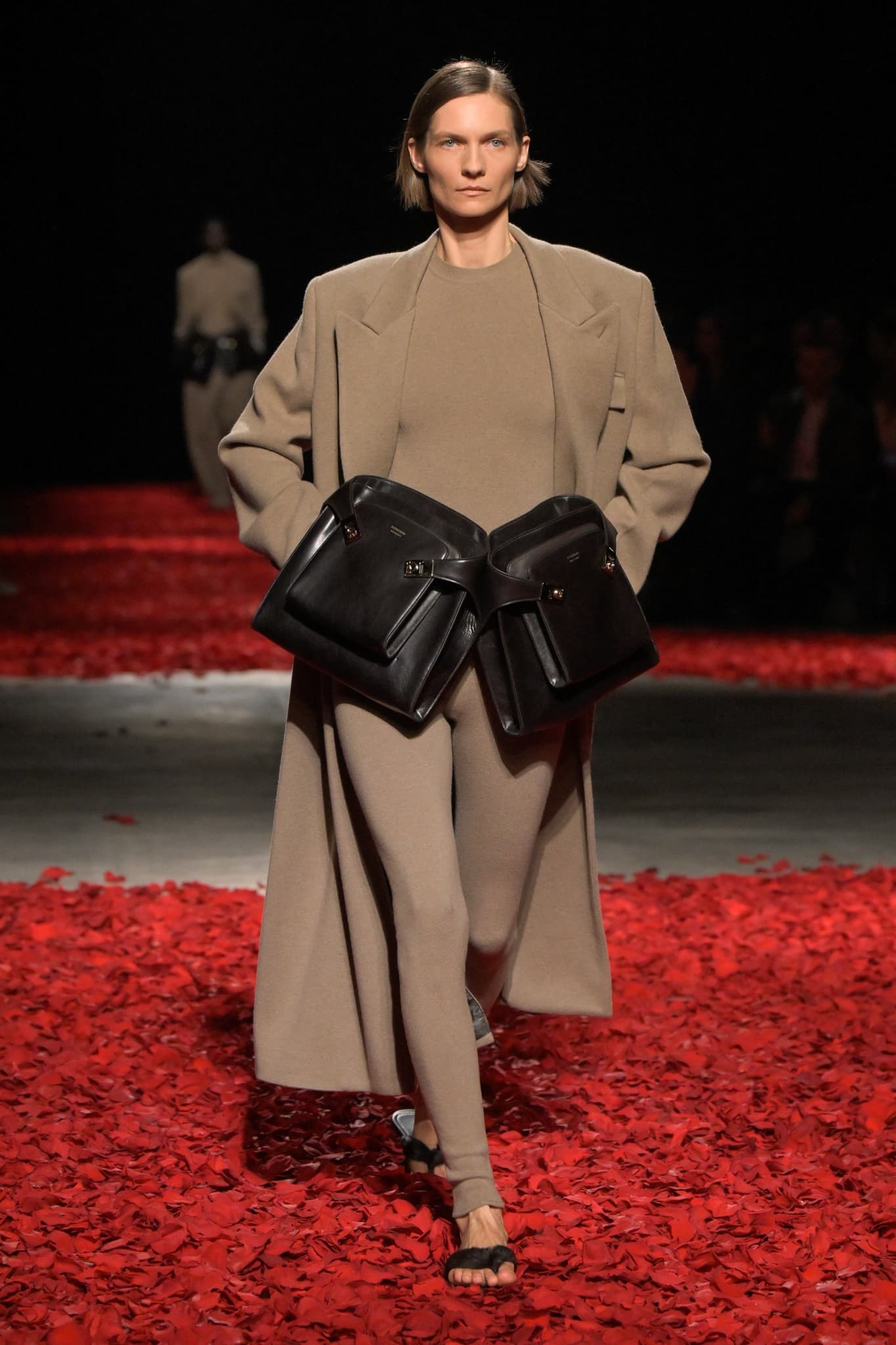
Chore jackets and chore coats: These are the workhorses—shorter chore jackets sit at the hip while longer chore coats fall to mid-thigh. Both feature large patch pockets and durable fabrics like herringbone cotton or canvas. Opt for a softened shoulder and minimal hardware so the jacket reads polished rather than purely utilitarian.
Chore blazers: Think of these as hybrid tailoring—structured lapels, softer construction, and the chore uniform’s utilitarian pockets. A chore blazer in a suiting wool-twill or washed cotton gives you blazer formality without the rigidity of traditional tailoring.
Carpenter trousers: Characterized by hammer loops, reinforced knees and a generous straight leg, carpenter trousers can be dialed into the office by selecting slimmer rises and refined fabrics. A tapered carpenter in charcoal or navy twill keeps the utility details visible while staying neat under a blazer.
Chore-style overshirts: Lightweight and ideal for layering, chore-style overshirts bridge shirt and jacket. Worn over a cotton tee or a fine-knit merino, they add textural interest and are excellent for transitional climates in the office.
How to make workwear meeting-ready Balance is everything: pair one clearly utilitarian item with one tailored piece to keep proportions smart. For example, wear a chore jacket over a crisp white shirt and slim wool trousers; the jacket’s patch pockets add character while the trousers enforce formality. Similarly, a chore blazer over a T-shirt and tapered carpenter trousers reads modern and deliberate—suitable for client-facing casual meetings.
- The client-ready chore blazer: Chore blazer in deep navy, white button-down, charcoal tapered suiting trousers, polished derby shoes. Keep accessories minimal—leather belt and a slim watch.
Outfit recipes you can wear now
- The polished coverall: Tailored indigo coverall, fine-gauge roll-neck sweater in camel, black Chelsea boots. Add a thin belt if the coverall has belt loops to define the waist for a cleaner silhouette.
- The chore coat commute: Mid-thigh chore coat in olive canvas, lightweight knit, dark denim or navy carpenter trousers, suede loafers. The coat’s longer length keeps the outfit grounded during brisk commutes.
- The hybrid office look: Chore-style overshirt layered over a fitted shirt, slim carpenter trousers, low-top leather sneakers or loafers. Roll the overshirt’s cuffs once for an intentional, lived-in touch.
Fabric, fit and color rules Fabric choices dictate formality: go for suiting wool-twill, washed cotton, herringbone or midweight canvas depending on your office. Stiffer canvases read more workwear; softer, brushed twills and wool blends read office-appropriate. Fit matters more than anything else: keep shoulders aligned, avoid extreme oversizing for meetings, and opt for tapered or straight legs on carpenter trousers so they sit cleanly at the ankle.
Color palettes that work Lean into a restrained palette—navy, charcoal, olive, indigo and camel will make utility pieces feel considered rather than costume. Reserve lighter khaki and sand tones for casual offices or creative environments; stick to darker neutrals for client meetings or presentations.
Texture and proportion: playing smart Workwear naturally brings texture—visible stitching, canvas grain, and brushed cotton. Use that texture to add depth against smoother tailoring like a polished blazer or fine-wool trousers. If you wear a boxy chore jacket, balance it with a slim shirt and fitted trouser; a long chore coat benefits from shorter, neater layers underneath to avoid a swallowed silhouette.
Footwear and accessories Shoes anchor the tone: polished derbies or loafers will elevate a chore blazer; Chelsea boots or minimal leather sneakers suit chore jackets and overshirts. Keep accessories functional and refined—a leather belt, a sleek briefcase, and a low-profile watch maintain the pragmatic spirit of workwear without sliding into costume.
Caring for utility pieces Durable fabrics still need care: brush canvas and wool to remove dust, treat denim and indigo carefully to avoid uneven fading, and use a fabric shaver on brushed cotton if pilling appears. A chore coat’s patch pockets can collect keys and pens—empty them daily to preserve the coat’s lines.
- Fabric weight appropriate to your climate: midweight for year-round wear, heavier for winter.
- Clean construction: minimal visible hardware, neat pocket lines, and reinforced seams.
- Tailored proportions: slightly tapered legs on carpenter trousers, softened shoulders on chore blazers, defined waist on coveralls.
- Versatile color: navy, charcoal, olive, indigo or camel for maximum wearability.
Buying checklist: what to look for in a workwear-to-office piece
Why this matters now Utility silhouettes are no longer niche—they’re a language of competence and practicality that fits modern offices. Chore jackets, chore coats, chore blazers, chore-style overshirts, coveralls and carpenter trousers each bring a distinct piece of that language. When you tailor the fit, refine the fabric and balance with classic tailoring, these pieces become more than a trend; they’re a new shorthand for work-ready style.
Final note Treat workwear like tailoring: respect the silhouette, refine the materials, and use one utility piece as your outfit’s focal point. The result is dependable, tactile and unmistakably modern—workwear tailored for the office, without compromise.
Know something we missed? Have a correction or additional information?
Submit a Tip