Church of England apologizes for role in historic forced adoptions
The Church of England apologised for its role in adoption practices that saw about 185,000 babies taken from unmarried mothers in England and Wales from 1949 to 1976.

The Church of England has apologized for its role in historic adoption practices that separated thousands of babies from unmarried mothers, adding its voice to a long-running demand from survivors for records access, counselling and accountability. The church acknowledged the pain, trauma and stigma tied to mother and baby homes and to closed adoptions that gave children new names, new birth certificates and no ongoing contact with their birth families.
Between 1949 and 1976, an estimated 185,000 babies in England and Wales were taken from unmarried mothers and placed for adoption. The practice was often hidden from adoptees, many of whom were not told they had been adopted, and from mothers who had no say in what happened to their children. Campaigners have said that the damage ran far beyond the moment of separation, leaving mothers and adoptees with shame, grief and lifelong emotional harm.
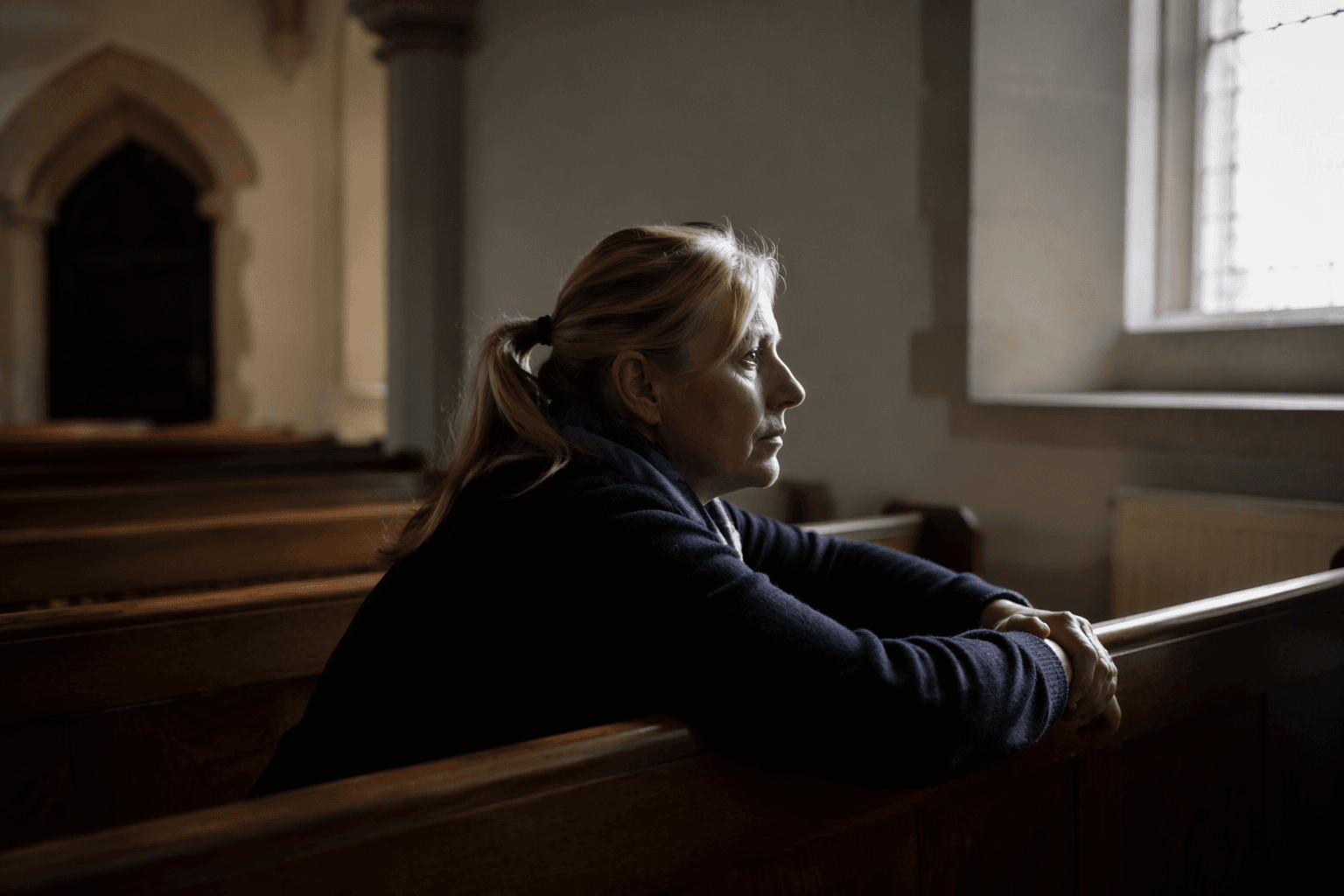
The issue has been driven back onto the political agenda by Parliament. On 15 July 2022, the Joint Committee on Human Rights called on the UK government to issue a formal apology, improve access to counselling and remove barriers to adoption records. MPs later continued pressing for clearer support for survivors, while campaign groups and church-based research kept emphasizing peer support and easier access to files and documents.
Scotland moved first with a national apology on 22 March 2023, when Nicola Sturgeon told the Scottish Parliament that historical adoption practices were cruel and “unjust and profoundly wrong.” The apology marked a public recognition that the policy environment of the 1950s, 1960s and 1970s was shaped by social pressure, stigma around unmarried motherhood and institutional practices that pushed many women into losing their children.
The Church of England’s apology now places another major institution on record, but survivors and campaigners have argued that words alone are not enough. They want practical redress, including easier access to adoption records, counselling and a fuller account of how the system operated for decades across England and Wales.
This article was produced by Prism’s automated news system from verified source data, official records, and press releases, then run through automated quality and moderation checks before publishing. The system is built and supervised by the people who set the standards it runs under. Read our full AI policy.
Did this article answer your question?


