House Republicans urge Trump to let Jones Act waivers expire
House Republicans asked Trump to let a Jones Act waiver expire on August 16, arguing emergency shipping relief has become a subsidy for foreign-flag vessels.

House Speaker Mike Johnson and 51 other Republican lawmakers asked President Donald Trump to let a Jones Act waiver expire on August 16, sharpening a fight over whether emergency shipping relief should yield to the domestic maritime law. The House Republican release, issued July 1 by Johnson, Rep. James Comer and other lawmakers, said the waiver was created to address rising fuel and fertilizer costs but should now end on schedule.
The lawmakers argued that the current waiver has allowed foreign-flagged vessels to operate in domestic commerce even when U.S.-flagged vessels were available. Their release said about 95% of waiver voyages have been carried out by foreign maritime operators, and it urged Trump to rely on "alternative policy tools" instead of granting another extension. In plain terms, the Republican push favors long-term shipping rules over short-term flexibility for moving cargo between U.S. ports.
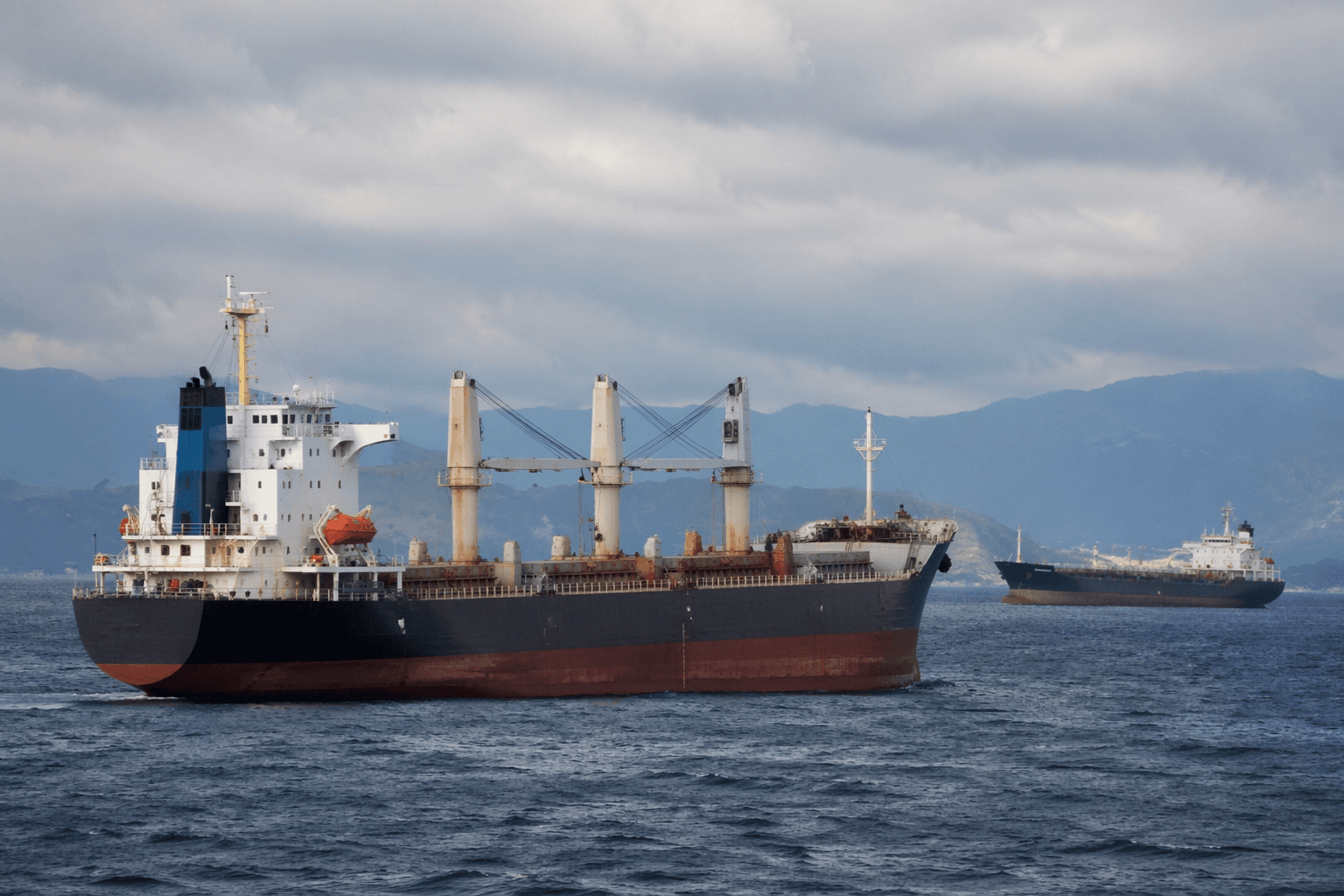
The Jones Act requires cargo moving between domestic ports to be carried on American-built, American-owned and American-crewed ships. Supporters say that rule protects U.S. maritime jobs, strengthens the shipbuilding base and keeps a fleet available for crises and wartime use. The White House has defended the waivers, saying new data showed significantly more supply reached U.S. ports faster and helped stabilize markets. A White House official said the second extension does not expire until August 16, and any further action would come from Trump or the administration.

Outside the administration, the waiver has already drawn opposition from maritime labor and industry groups. American Maritime Partnership said more than 100 chief executives, union leaders and maritime stakeholders signed an open letter urging congressional leaders to make sure the March 17 waiver expired on May 17 without renewal. The Seafarers International Union said Maritime Administration data as of May 7 showed about 29% of completed waiver voyages involved vessels with ties to China, including ownership links or ships built in Chinese shipyards.

The dispute reflects a familiar Washington tradeoff. If the waiver expires, American shipbuilders, U.S.-flag operators and domestic crews stand to gain from the Jones Act’s protection, while fuel and fertilizer shippers lose a temporary escape valve that gave them more routing options. If Trump extends it again, shippers keep the flexibility that can move goods faster in a pinch, but the domestic maritime industry loses more ground in coastal trade it says should belong to U.S. vessels.
This article was produced by Prism’s automated news system from verified source data, official records, and press releases, then run through automated quality and moderation checks before publishing. The system is built and supervised by the people who set the standards it runs under. Read our full AI policy.
Did this article answer your question?