City activates White Flag warming center as freezing temperatures arrive
City officials opened a White Flag warming center at First Baptist Church for the night of Jan. 15–16 after forecasts showed freezing temperatures; the move provided shelter to single adults and families.
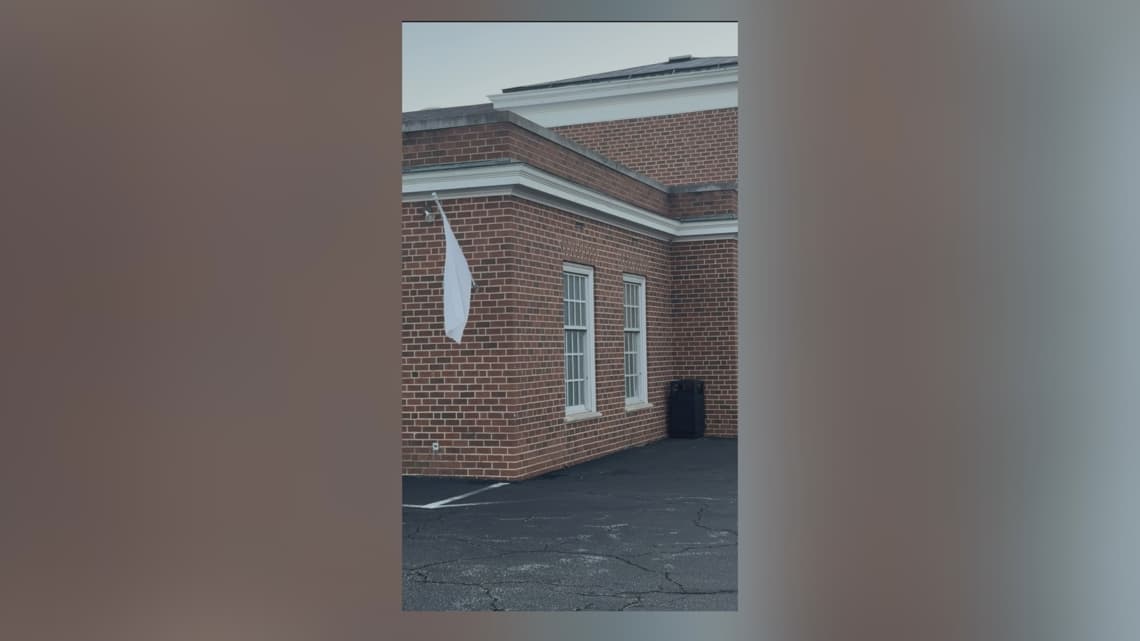
Municipal officials activated the city's White Flag warming center for the night of Jan. 15–16, opening First Baptist Church at 1000 W. Friendly Ave. in response to expected freezing overnight temperatures. The activation came as the city anticipated actual or "feels-like" temperatures at or below 32°F for two or more hours, the threshold that triggers the White Flag policy.
Staff from the Interactive Resource Center staffed the temporary location, which accepted single adults and families seeking relief from the cold. The city also noted that services and eligibility details were available for those who sought shelter and support during the activation.
The White Flag policy is a predefined municipal response that sets a concrete temperature threshold for opening emergency warming centers. That objective trigger allowed officials to act quickly when forecasts indicated sustained freezing conditions, prioritizing immediate care for residents at risk from cold exposure. Using faith-based facilities such as First Baptist to host the center reflects a longstanding local practice of partnering with community institutions to expand capacity during short-term emergencies.
The activation underscores several policy and operational considerations for Guilford County municipalities. First, weather-triggered responses hinge on accurate forecasts and clear thresholds; officials must balance agility with predictable criteria so residents and providers can plan. Second, reliance on outside partners like the Interactive Resource Center and local churches highlights the need for durable coordination, funding, and staffing plans if warming centers are required repeatedly or for longer durations. Third, ensuring that information about eligibility and services reaches people experiencing homelessness, as well as families and single adults who may not use traditional shelter systems, remains a practical challenge for outreach teams.
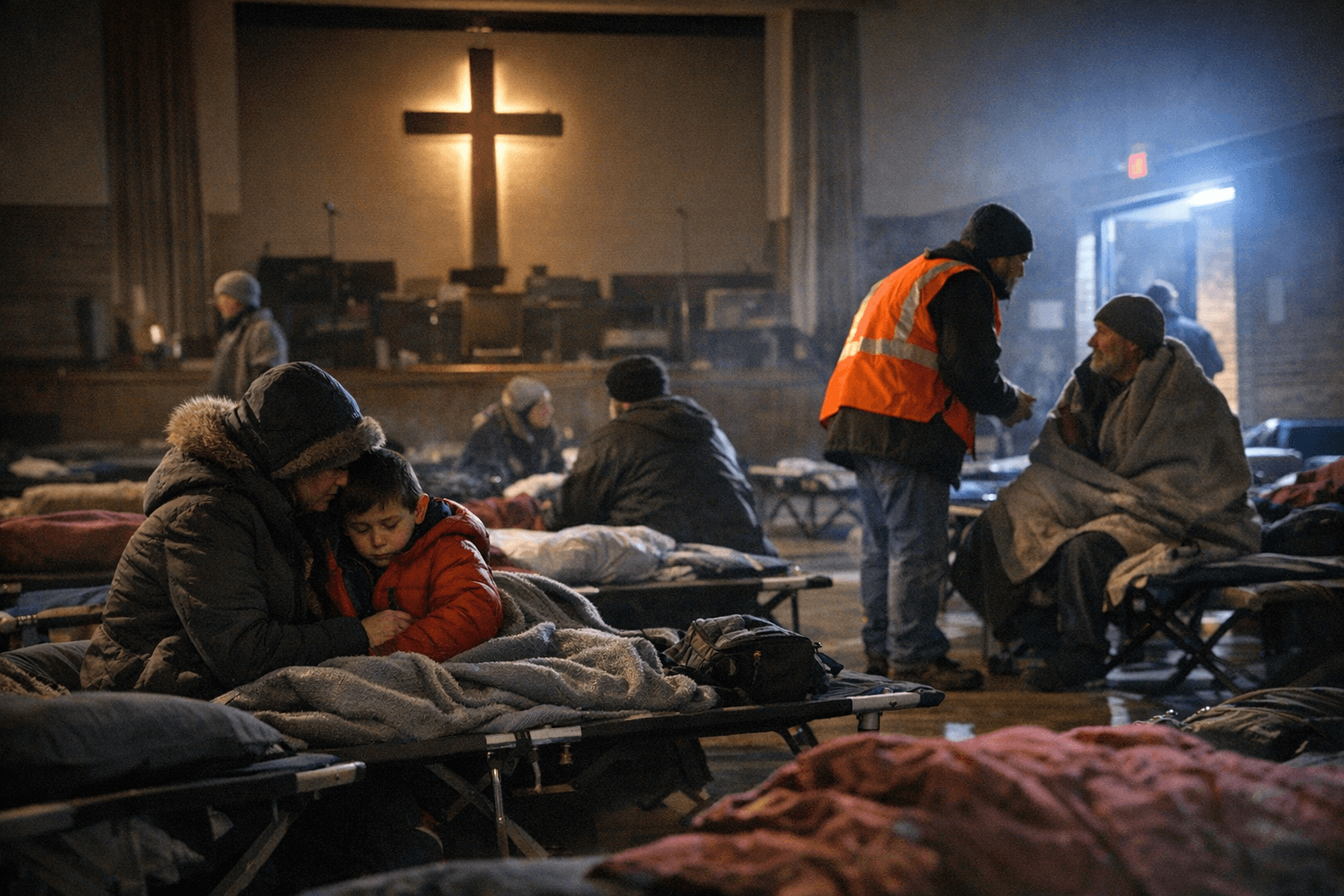
For residents, the White Flag activation demonstrated the city's capacity to mobilize a temporary safety net during acute cold. Community members who volunteer with shelters, donate warm clothing, or work with neighborhood groups can use these activations as focal points for sustained engagement with service providers. Elected officials and municipal managers will also face choices about whether to reassess trigger thresholds, invest in year-round shelter capacity, or formalize expanded partnerships to reduce pressure on emergency responses.
The Jan. 15–16 activation provided immediate relief to vulnerable residents and tested local coordination between the city, the Interactive Resource Center, and faith-based hosts. The policy's automatic trigger helped accelerate action, but the episode also highlights longer-term questions about capacity, outreach, and how the county prepares for future extreme weather events.
Sources:
Know something we missed? Have a correction or additional information?
Submit a Tip