Class action alleges Starbucks misled shoppers on ethical sourcing and solvents
Two consumers filed a proposed class action claiming Starbucks’ "Committed to 100% Ethical Coffee Sourcing" label misled shoppers and solvents were detected in a decaf product.
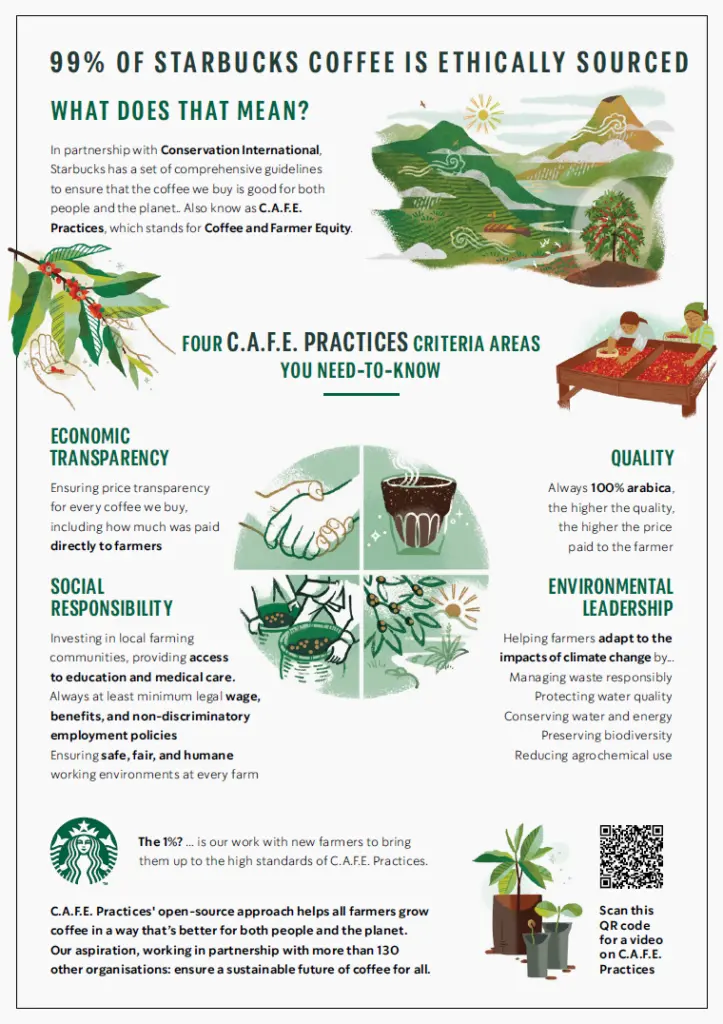
Two consumers filed a proposed class action in federal court alleging Starbucks misled customers with its "Committed to 100% Ethical Coffee Sourcing" claims and failed to disclose the presence of industrial solvents in at least one decaffeinated product. The suit, filed Jan. 13 in U.S. District Court for the Western District of Washington, was brought by Jennifer Williams of Ferndale, Washington, and David Strauss of Irvington, New York.
At the top of the complaint are two central charges: that Starbucks’ sourcing claims gave consumers a false impression about farm conditions and labor practices, and that the company omitted information about volatile organic compounds found in a decaffeinated coffee sample. The plaintiffs cite a string of third-party reports over roughly the past decade alleging labor and human-rights abuses at some farms or cooperatives certified under Starbucks’ Coffee and Farmer Equity program, known in the trade as C.A.F.E. Practices. The complaint specifically references a 2022 Brazilian labor complaint involving the cooperative Cooxupé.
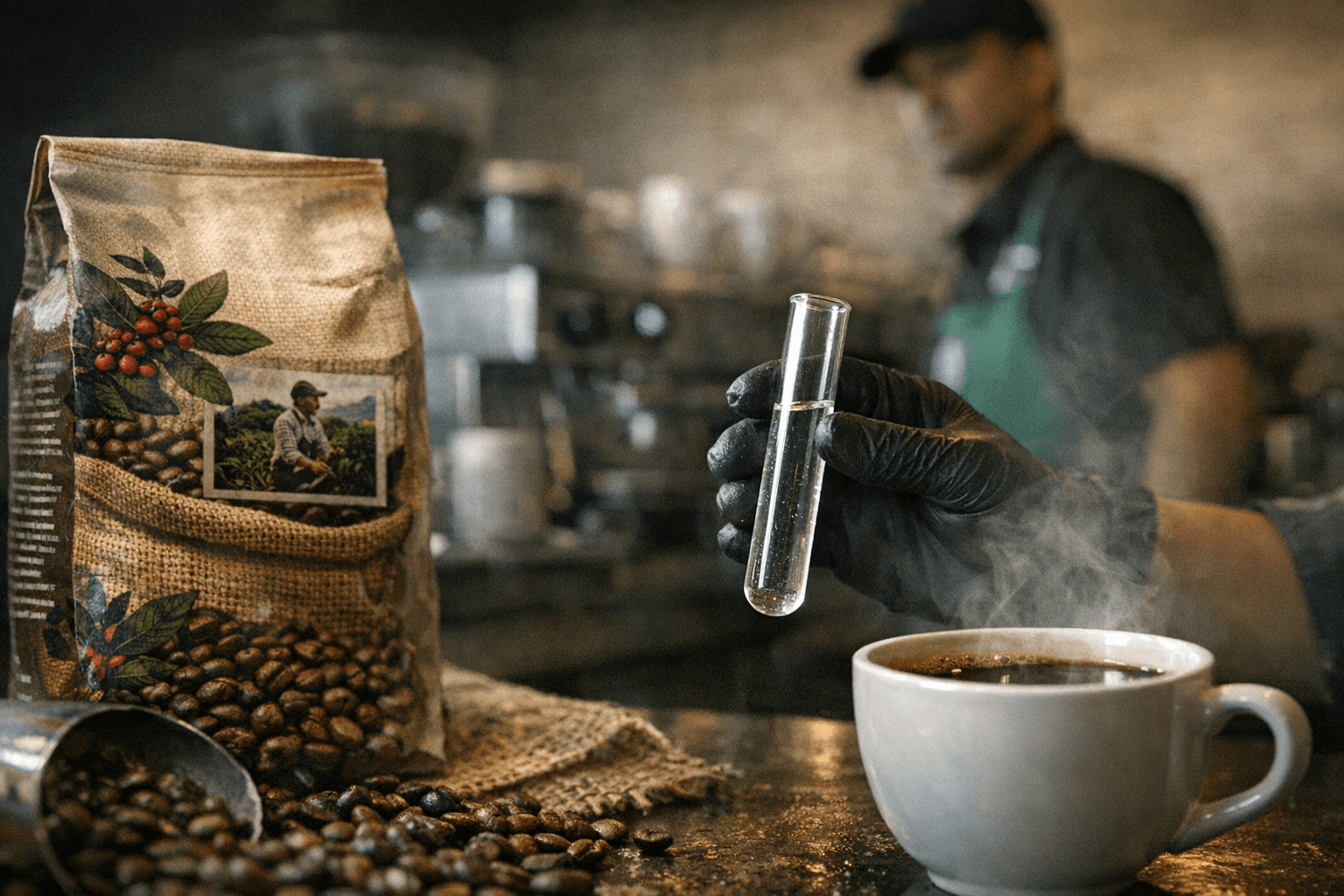
On the product side, the plaintiffs say independent testing they arranged detected volatile organic compounds, including benzene, toluene and methylene chloride. Methylene chloride is a solvent widely used in some decaffeination processes, and its presence is likely to raise concern among decaf drinkers who prefer solvent-free methods. The suit does not allege that Starbucks violated federal food-safety regulations or exceeded FDA residue limits. Instead, the complaint frames the issue as deceptive omissions that led consumers to buy products under false impressions and to pay a premium for what they believed was ethically sourced coffee.
Starbucks provided an emailed statement saying the company takes the allegations seriously but believes they are inaccurate and misrepresent its sourcing practices and the integrity of its C.A.F.E. Practices program. The case is a proposed class action, so if the court certifies the class the suit could expand beyond the two named plaintiffs to include other customers who purchased the labeled products.
For coffee buyers, roasters, and café operators, the filing spotlights two ongoing friction points in the specialty coffee economy: how to verify ethical sourcing claims and how transparent brands must be about processing methods for decaffeinated coffee. Community members who prioritize farm-to-cup ethics or avoid solvent-processed decaf will want to watch how the court treats proof of disclosure and testing.
Practically, ask your café which decaf method they serve and look for explicit labeling on packaging, water-processed or CO2 decaf options are increasingly common. The legal process will play out over months, and the outcome could push clearer sourcing disclosure and more routine testing of decaf products industry wide.
Know something we missed? Have a correction or additional information?
Submit a Tip

