Cleanup Begins in New Zealand After Cyclone Vaianu Batters North Island
Power crews were still restoring nearly 3,000 North Island properties as evacuees began returning, while landslide checks and road closures showed Vaianu’s aftermath.
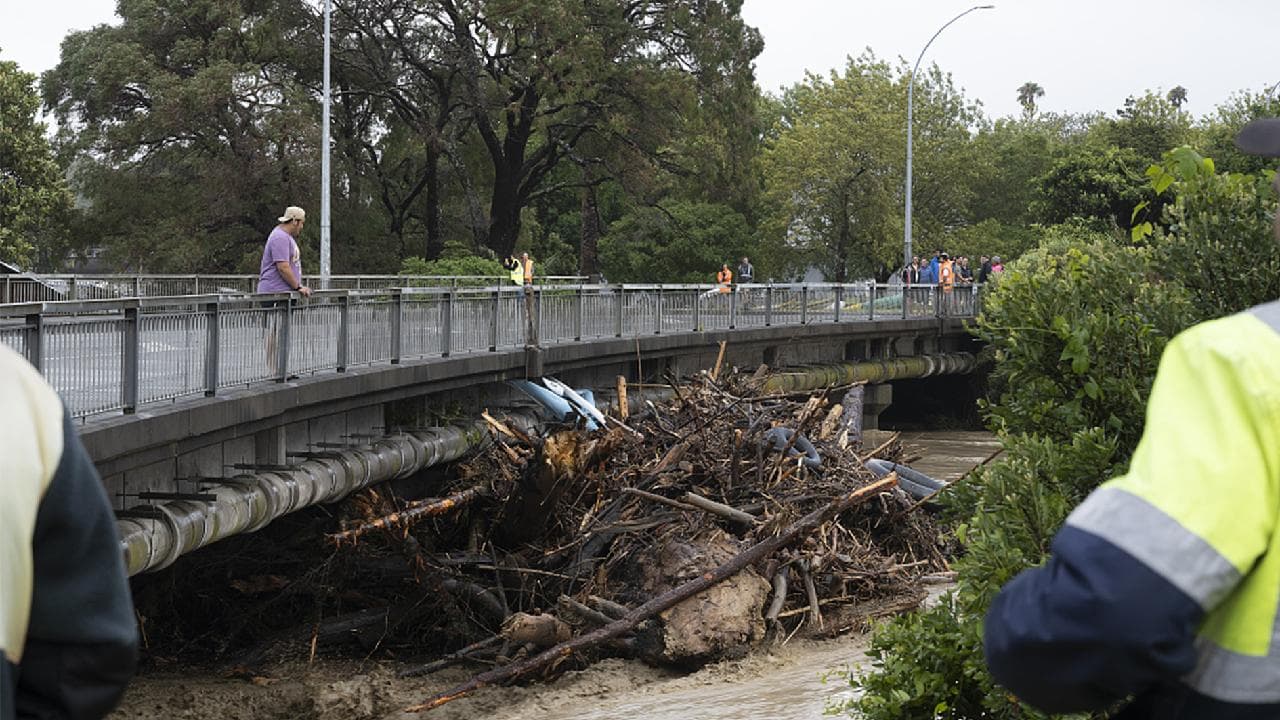
Crews kept clearing roads, checking slopes and restoring power across New Zealand’s North Island even as evacuated residents began to return home, a reminder that the hardest part of Cyclone Vaianu came after the wind had moved on. By around noon Monday, almost 3,000 properties in the central North Island were still without electricity, and some roads remained shut because of fallen trees, debris and the risk of landslides.
The storm had already left a heavy mark. Radio New Zealand reported that Vaianu delivered 220 mm of rain in Coromandel and wind gusts of 126 km/h at Māhia. MetService said the cyclone had moved offshore and was east of the North Island, with only large-ocean-swell warnings still in place for the lower North Island, but officials said the clean-up would take longer than the weather itself.
In Whakatāne District, council staff and New Zealand Defence Force personnel completed an initial visual assessment, while geotechnical checks on the West End escarpment were still pending and could not yet confirm whether the ground had moved. The council warned people near cliffs or slopes to watch for cracks, slips and other signs of instability. The Whakatāne War Memorial Hall stayed open overnight as an evacuation centre, and Rangitihi Marae in Matatā remained open as an emergency hub, underscoring how local civil defence and community spaces carried much of the load when infrastructure was under strain.
The emergency followed a Saturday evacuation order that forced thousands from vulnerable areas as Vaianu was forecast to bring heavy rain and winds of up to 130 km/h, along with storm surge, coastal flooding and waves as high as 13 metres. National Emergency Management Agency director John Price urged residents to act early, clear drains, tie down loose items and stay away from floodwaters. Prime Minister Christopher Luxon said agencies were on full notice and later argued the response had worked better than in earlier crises.
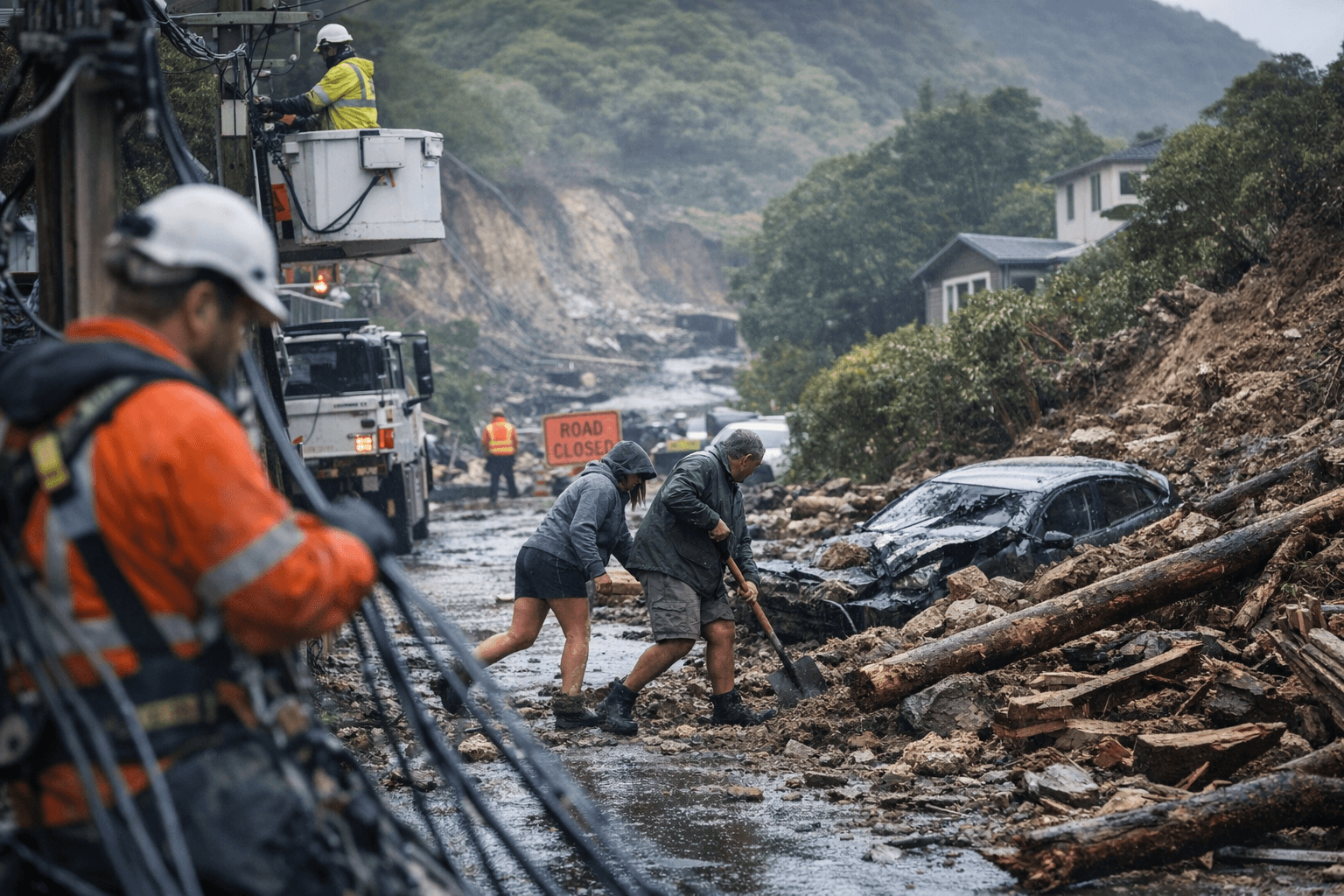
Julie Jukes, the acting mayor of Whakatane, said the storm brought the worst weather she had ever seen, but stressed that the main outcome was that everybody was safe and the damage was largely to property, trees and infrastructure. That judgment will be tested in the days ahead as crews finish inspections and power returns to homes still waiting for it.
The comparison hanging over the recovery is Cyclone Gabrielle, which killed 11 people, displaced thousands and caused more than NZ$13 billion in damage in February 2023. Vaianu did not bring that scale of loss, but it again exposed how quickly climate-driven storms can overwhelm roads, power lines and hillsides, and how much of the country’s resilience still depends on what happens after the headline passes.
This article was produced by Prism’s automated news system from verified source data, official records, and press releases, then run through automated quality and moderation checks before publishing. The system is built and supervised by the people who set the standards it runs under. Read our full AI policy.
Did this article answer your question?