Clear the glass: practical fixes to stop windshield fogging at sea
Fogged windshields are a safety hazard, not just a nuisance. Learn long-term fixes and easy DIY steps to keep your sightlines clear and your boat safe.
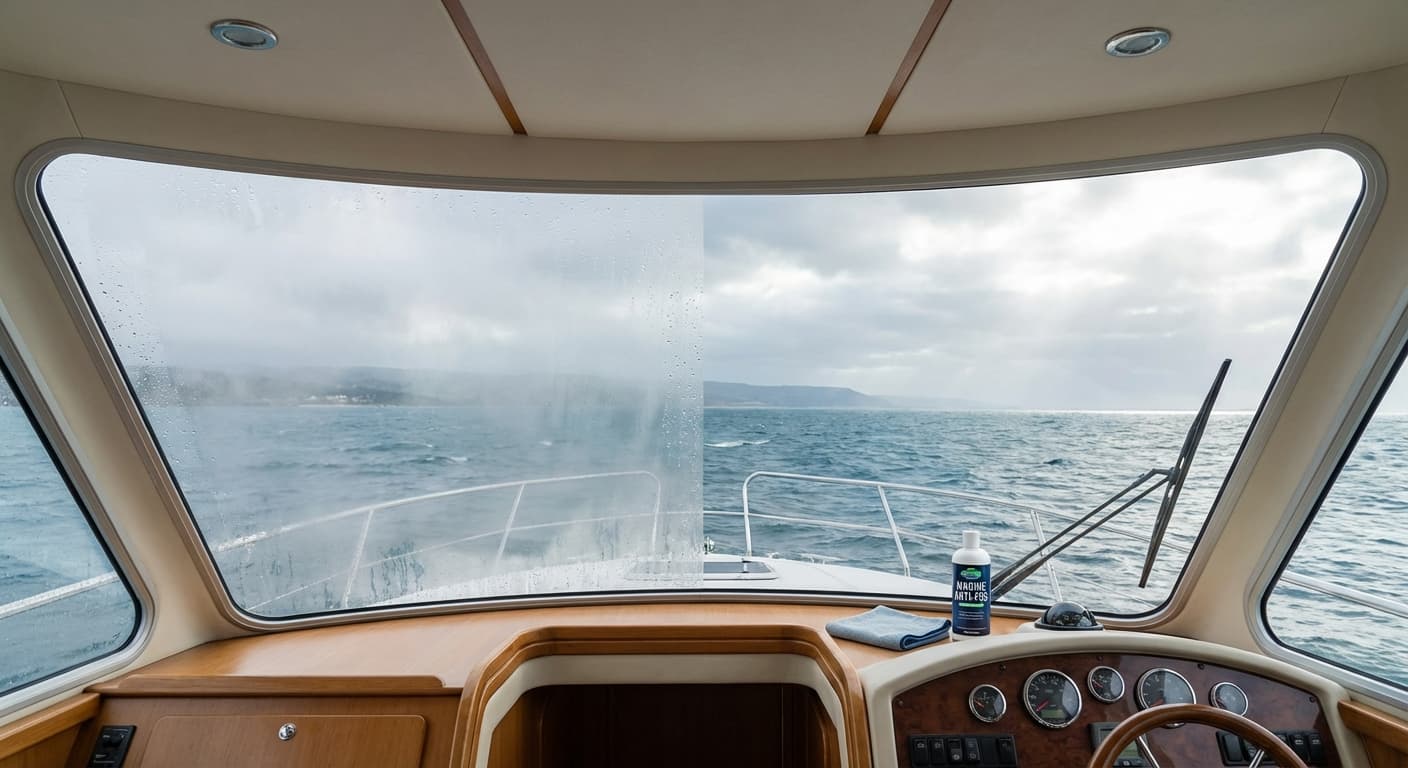
Fogged windshields are more than an annoyance; condensation can leave you effectively blind during close-quarters maneuvers or low-visibility approaches. Fog forms when warm, humid air meets a colder windshield surface, and wiping the glass only treats the symptom. Permanent fixes and consistent maintenance prevent fog from forming in the first place.
The most durable solution is an active or passive system that eliminates the temperature and humidity differential. Aftermarket windshield heaters or defoggers warm the glass and remove the driving cause of condensation. These systems require careful element placement and wiring but offer a near-permanent fix with minimal energy draw when installed correctly. For any electrical installation, contact a qualified marine electrician to ensure watertight connections, correct circuit protection, and proper integration with your boat’s charging system.
Anti-fog coatings are a strong passive option for many sailors. Use marine-grade sprays formulated for saltwater and UV exposure, and clean the glass thoroughly before applying. Buff the coating with a microfiber cloth to an even finish; quality products can last weeks or months if applied correctly and followed by regular cleaning. These coatings work best as part of a program that also addresses ventilation and cleanliness.
Improving ventilation cuts humidity at the source. Open hatches, crack companionway doors and portlights, and install 12V fans to move air across the windscreen. Position fans so airflow travels directly over the inside of the glass; even modest airflow reduces the chance of moisture condensing. Pay attention to where wet sails, drying gear, or cooking steam is generating moisture and route that humid air out of the saloon.

Routine cleaning matters. Dirt, oils and salt residue increase surface tension and make glass fog faster. Use marine-safe glass cleaners and microfiber cloths, and clean both inside and outside on a schedule. For short trips or emergencies, a thin film made from diluted dish soap can reduce surface tension and delay fogging; apply sparingly and buff to avoid streaks that impair visibility.
Moisture absorbers such as silica gel packs and desiccant pouches reduce ambient humidity but are complementary rather than standalone fixes. Place them in lockers, under seats and near the companionway to lower local humidity levels.
Permanent improvements combined with consistent maintenance beat quick fixes. Inspect sources of onboard moisture, prioritize ventilation and coatings or a heater where practical, and get professional help for electrical work. Pack anti-fog spray, silica pouches and a microfiber cloth for each voyage so you can keep your sightlines clear when it matters most.
Know something we missed? Have a correction or additional information?
Submit a Tip