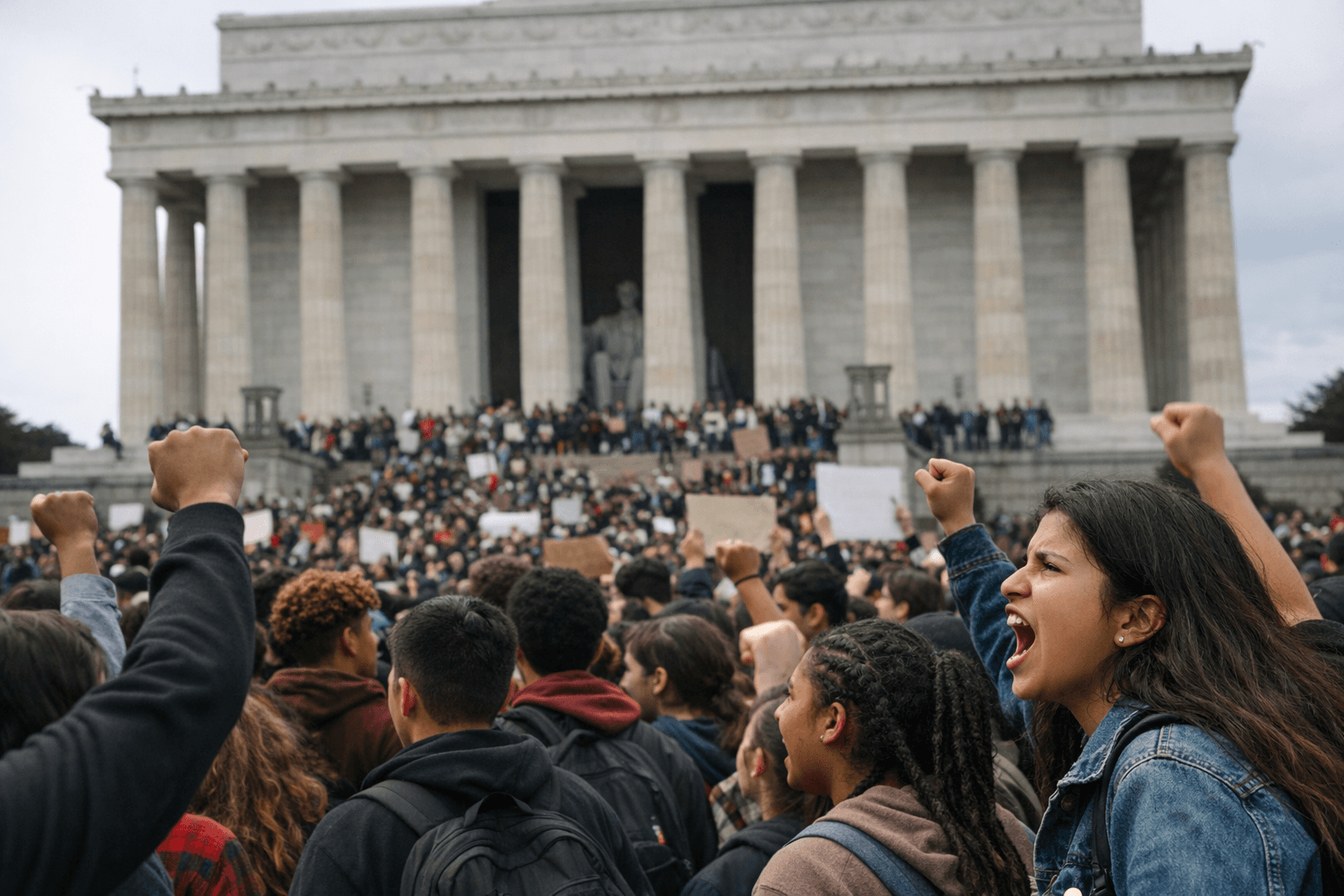
Clinton tells GOP-led panel he had no knowledge of Epstein crimes
Bill Clinton told a Republican-led House Oversight Committee he had no knowledge of Jeffrey Epstein’s crimes and denied wrongdoing; transcripts will be released publicly.
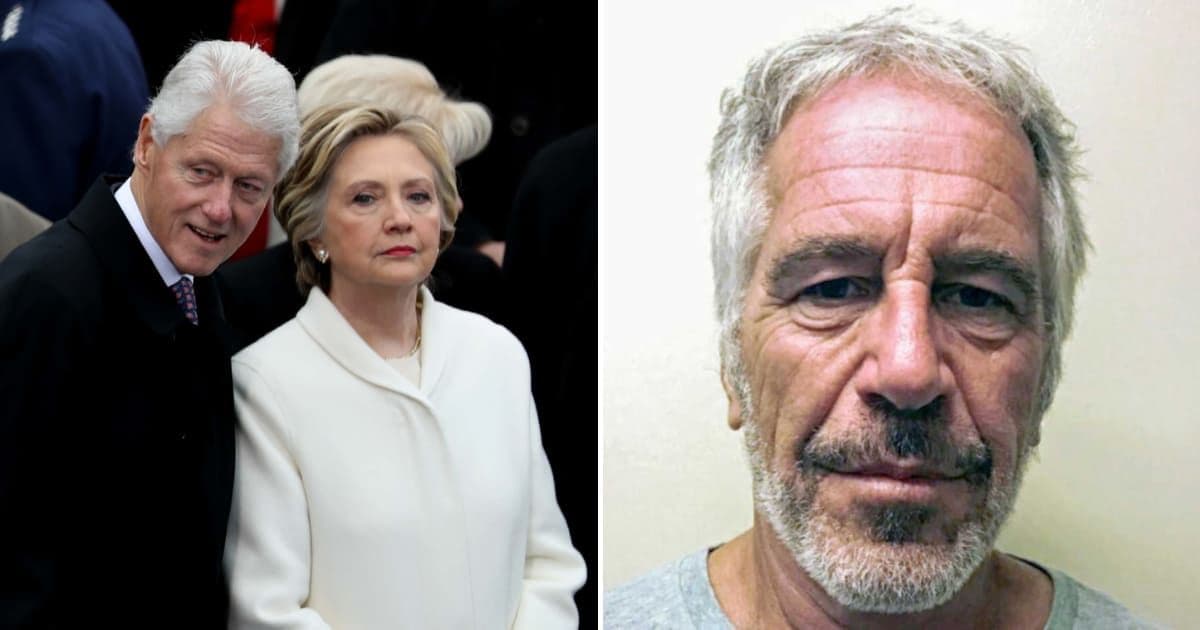
Bill Clinton told a Republican-led House Oversight Committee in a closed-door deposition in Chappaqua that he had no knowledge of Jeffrey Epstein’s criminal activity, saying, "I had no idea of the crimes Epstein was committing." The former president, who appeared under subpoena after months of negotiations, denied wrongdoing and said he would have reported any knowledge of abuse: "If I had knowledge of crimes committed by Jeffrey Epstein when the two men were acquainted, I would have turned him in myself."
The appearance followed a closed-door deposition of Hillary Rodham Clinton the day before in the same town. She told the committee she had "no personal knowledge" of criminal activity by Epstein or Ghislaine Maxwell and said in the session, "I do not recall ever encountering Mr. Epstein. I never flew on his plane or visited his island, homes or offices. I have nothing to add to that." When asked afterward whether she was confident her husband had no knowledge of the crimes, she replied to reporters, "I am."
Committee leaders had rejected written statements from the Clintons and moved toward a bipartisan recommendation of criminal contempt before the couple agreed to testify in person. The subpoenas capped months of exchanges between the Clintons' attorneys and committee staff, and committee officials say transcripts of both depositions will be made public.
Committee Chair James Comer framed the inquiry as probing the Clintons' ties to Epstein and any overlap with Clinton Foundation work. "No one is accusing at this moment the Clintons of any wrongdoing but we do have a lot of questions," Comer said. Democrats on the panel pushed for in-person testimony as well; Rep. Robert Garcia, the committee's top Democrat, described Bill Clinton as cooperative and answering questions without invoking the Fifth. "He has been very cooperative, and he’s actually answering the questions fairly to the best of his ability. He has not taken a pass on pleading the fifth for any questions," Garcia said.
Clinton's testimony reiterated lines he has used before, including that most of his interactions with Epstein occurred during a 2001-2003 period while launching the Clinton Foundation and that he had no contact with Epstein after 2005. He acknowledged using Epstein's plane on several occasions, a point the committee has sought to probe, and emphasized limits of memory: "You’ll often hear me say that I don’t recall. That might be unsatisfying. But I’m not going to say something I’m not sure of."
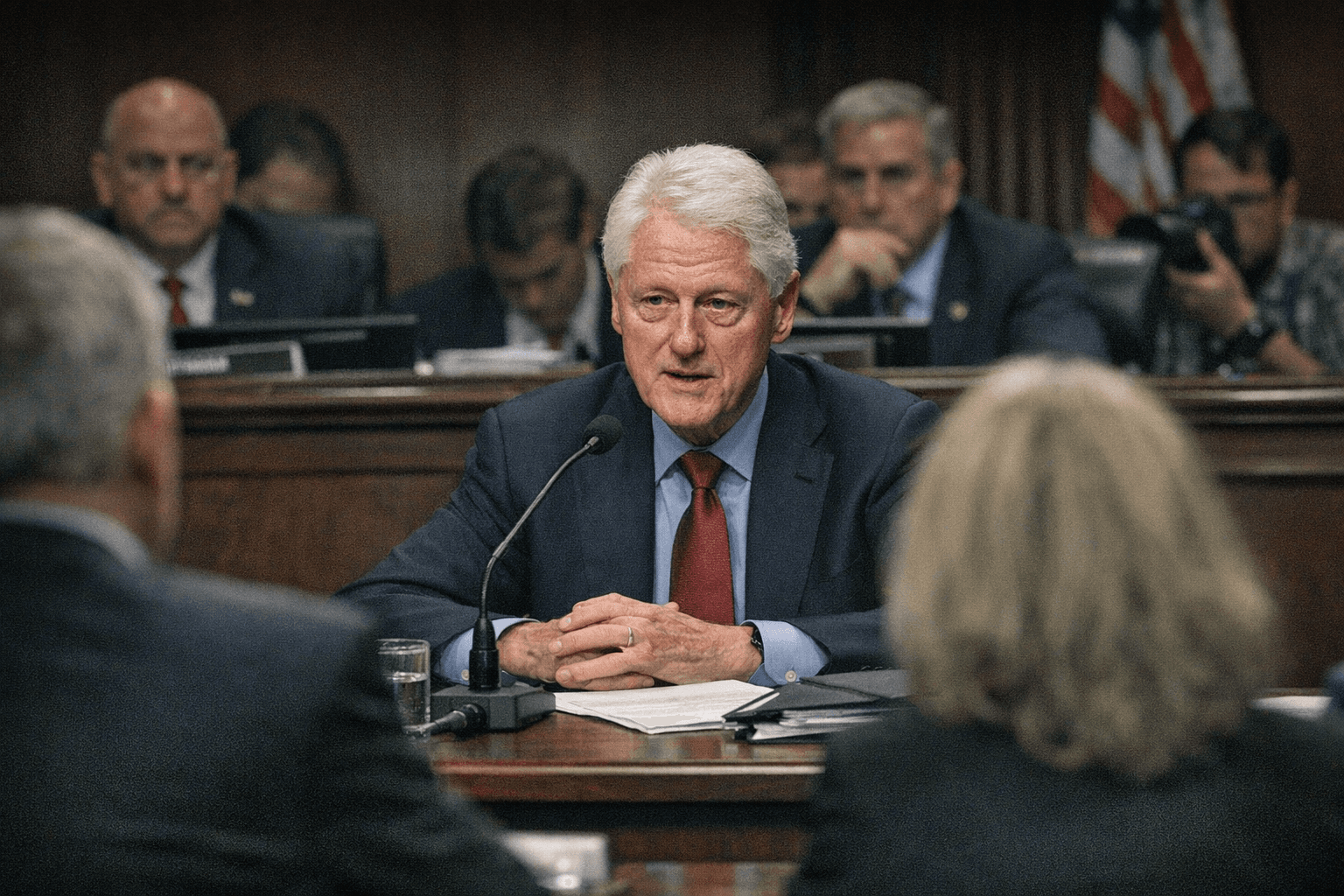
People familiar with the session said committee staff showed the former president a photograph that has circulated in congressional materials — an image of Clinton in a jacuzzi with a woman whose face in the exhibit was redacted. Those present said Clinton told investigators he did not know the woman and denied having sex with her.
The depositions mark a rare precedent in congressional oversight. Committee officials described the appearance as the first time a former president has been compelled to testify before Congress under subpoena, a step that legal scholars say could reverberate through future oversight fights and raise questions about the limits of congressional subpoenas for current and former presidents.
Beyond the Clintons, Comer signaled the committee may pursue additional witnesses and subpoenas in its probe, including figures linked to Epstein's circle. For an international audience, the episode underscores how domestic oversight of elite networks can become a global story about accountability, the reach of congressional power, and the political stakes of high-profile testimony.
Know something we missed? Have a correction or additional information?
Submit a Tip