CME Trading Halts After Data Center Cooling Failure, Markets Resume
A cooling system failure at a Chicago area data center forced the Chicago Mercantile Exchange to halt futures and options trading on November 28, freezing benchmark prices across global sessions and exposing concentrated infrastructure risks. The disruption matters to investors, pensioners, hospitals and municipalities because market interruptions can cascade into financial strains that disproportionately affect communities with fewer resources.
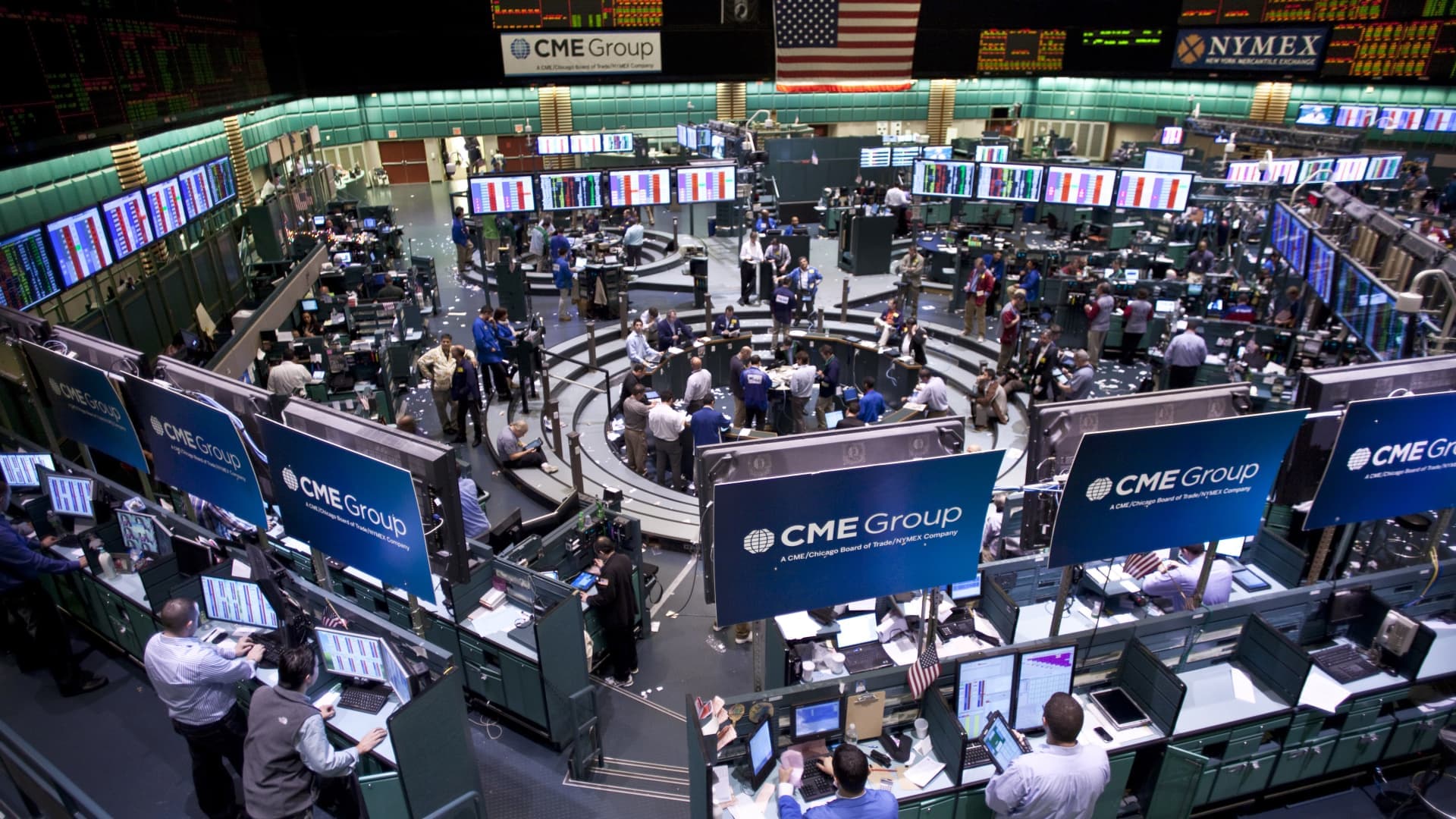
On November 28, the Chicago Mercantile Exchange paused futures and options trading for several hours after a cooling system failure at a CyrusOne data center in the Chicago area disrupted critical infrastructure powering the exchange's Globex platform. The outage interrupted price discovery for equity index futures, U.S. Treasury futures and oil contracts across Asian and European trading sessions, and trading was later restored in phases with most markets reopening.
Exchange officials said they worked with facility operators and advised clients while canceling some orders placed during the outage window. The pause shut trading on one of the world’s most important electronic venues during a portion of the global trading day, prompting immediate concern among traders and clearing firms about the potential for mispriced contracts and unsettled obligations.
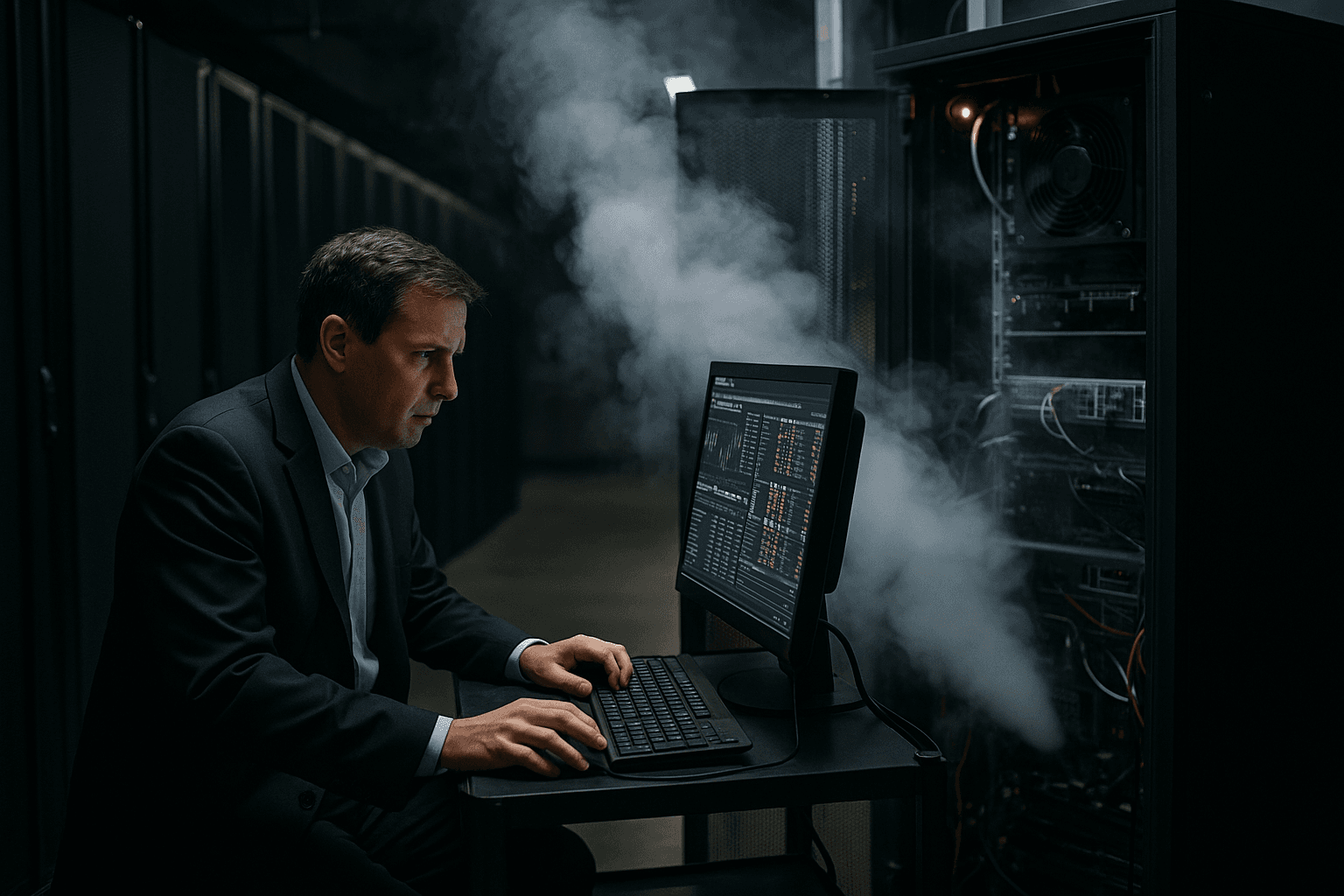
Market participants and industry observers noted that the incident highlighted the vulnerability of financial markets to concentrated infrastructure failures. Globex and other exchange platforms rely on a small number of data center locations and network routes to maintain continuous access. When those sites lose power or cooling, a cascade of operational challenges can follow, including connection issues for broker servers, delayed margin calculations and a backlog in trade processing.
The implications extend beyond Wall Street. Municipal finance officers, pension fund managers and hospital treasurers use futures and other derivatives to hedge interest rate and commodity exposure. Interruptions that freeze prices or halt trading can complicate hedging strategies, delay risk transfers and increase funding uncertainty. For public hospitals and community health systems that operate on thin margins, a sudden surge in energy costs or a spike in borrowing costs after a market disruption can translate into tighter budgets, reduced services and harder choices for care for low income populations.
Smaller institutions and under resourced communities are likely to bear a disproportionate share of such indirect effects. Large firms may have redundant systems and rapid access to capital. Smaller municipal issuers and community based providers often lack that cushion, leaving them more vulnerable to liquidity pressures when markets behave unexpectedly.
The outage has renewed calls within the industry for a reassessment of data center resilience and contingency planning. Observers urged greater geographic diversification of critical infrastructure, more rigorous testing of failover procedures and clearer protocols for communication to smaller market participants during outages. Regulators face questions about whether existing oversight adequately addresses the concentration of market infrastructure and the potential systemic risk posed by single points of failure.
Beyond technical fixes, the episode raises broader policy issues about transparency and equity in market design. Ensuring that emergency procedures protect not only large dealers but also municipal and health sector end users will require coordination among exchanges, facility operators, clearinghouses and regulators. As markets reopened, the exchange and facility operators began reviews of the incident, while market participants assessed the exposure from the interruption and the steps needed to shore up resilience for a system that serves investors and communities alike.
This article was produced by Prism’s automated news system from verified source data, official records, and press releases, then run through automated quality and moderation checks before publishing. The system is built and supervised by the people who set the standards it runs under. Read our full AI policy.
Did this article answer your question?