Coal Plants’ Mercury Emissions Rose 9 Percent, Reversing Long Decline
Mercury from coal plants rose about 9 percent last year, topping 4,800 pounds and halting years of decline that had cut emissions by 90 percent.
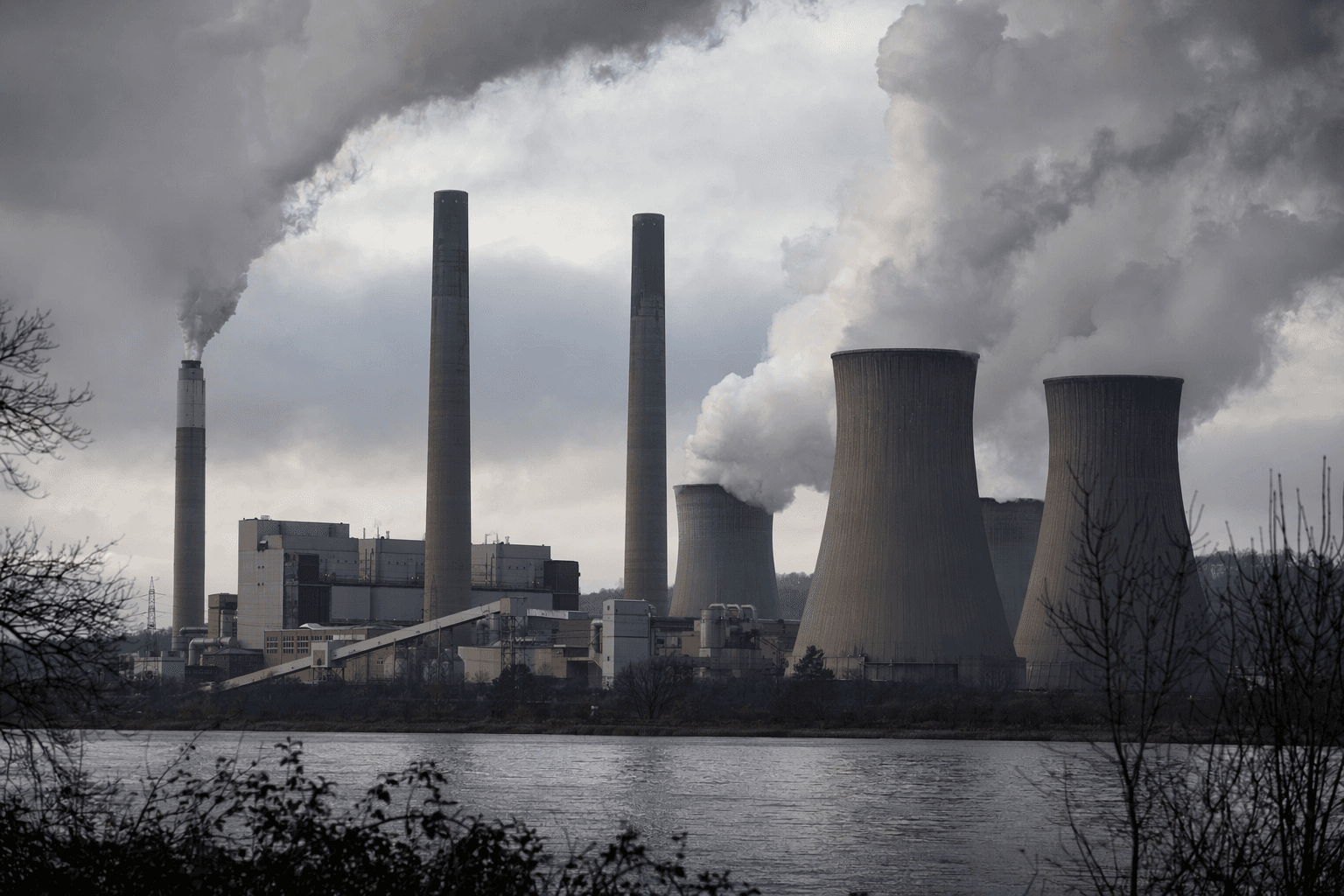
Coal-burning power plants in the United States released about 9 percent more mercury in 2025 than in 2024, lifting annual emissions to more than 4,800 pounds and breaking a long downward run tied to federal pollution controls. The reversal matters because mercury is a neurotoxin, and federal health agencies say unborn infants and young children are especially vulnerable to exposure that can affect brain and nervous system development.
The increase came after years in which the Mercury and Air Toxics Standards pushed coal-plant pollution sharply lower. The Environmental Protection Agency says mercury emissions from coal-fired power plants were already 90 percent below pre-MATS levels by 2021, while acid gas hazardous air pollutants had fallen by more than 96 percent and non-mercury metals such as nickel, arsenic and lead had dropped by more than 81 percent. EPA strengthened the rule again in April 2024, saying the tighter limits would further reduce mercury and other hazardous air pollutants from existing coal-fired plants, including lignite units.

That effort did not last. In 2025, EPA proposed repealing the 2024 updates, and in February 2026 the agency finalized the rollback and returned to the 2012 framework. Environmental and public-health groups, including the Natural Resources Defense Council, Earthjustice, the American Lung Association, the Environmental Defense Fund and the Environmental Law & Policy Center, warned that weakening the standards would raise mercury and other toxic emissions and put children, pregnant people and nearby communities at greater risk.
The latest emissions increase appears concentrated in a small number of high-emitting facilities, according to Environmental Defense Fund analysis of EPA Clean Air Markets Program data, with significant mercury pollution in North Dakota and Texas. Mercury can travel long distances through the atmosphere, settle into soil and waterways and bioaccumulate in fish, which is why federal fish advisories tell pregnant and breastfeeding women and children to limit high-mercury seafood. The question now is whether 2025 was a short-lived bump or the start of a broader policy shift that will leave coal plants emitting more of a pollutant long believed to be on the retreat.
This article was produced by Prism’s automated news system from verified source data, official records, and press releases, then run through automated quality and moderation checks before publishing. The system is built and supervised by the people who set the standards it runs under. Read our full AI policy.
Did this article answer your question?