New York City’s Best Restaurant Neighborhoods Reflect a Changing Food Scene
New York’s restaurant map now follows investment, housing growth, and neighborhood revival. The city’s most important dining areas reveal where power, people, and money are moving.
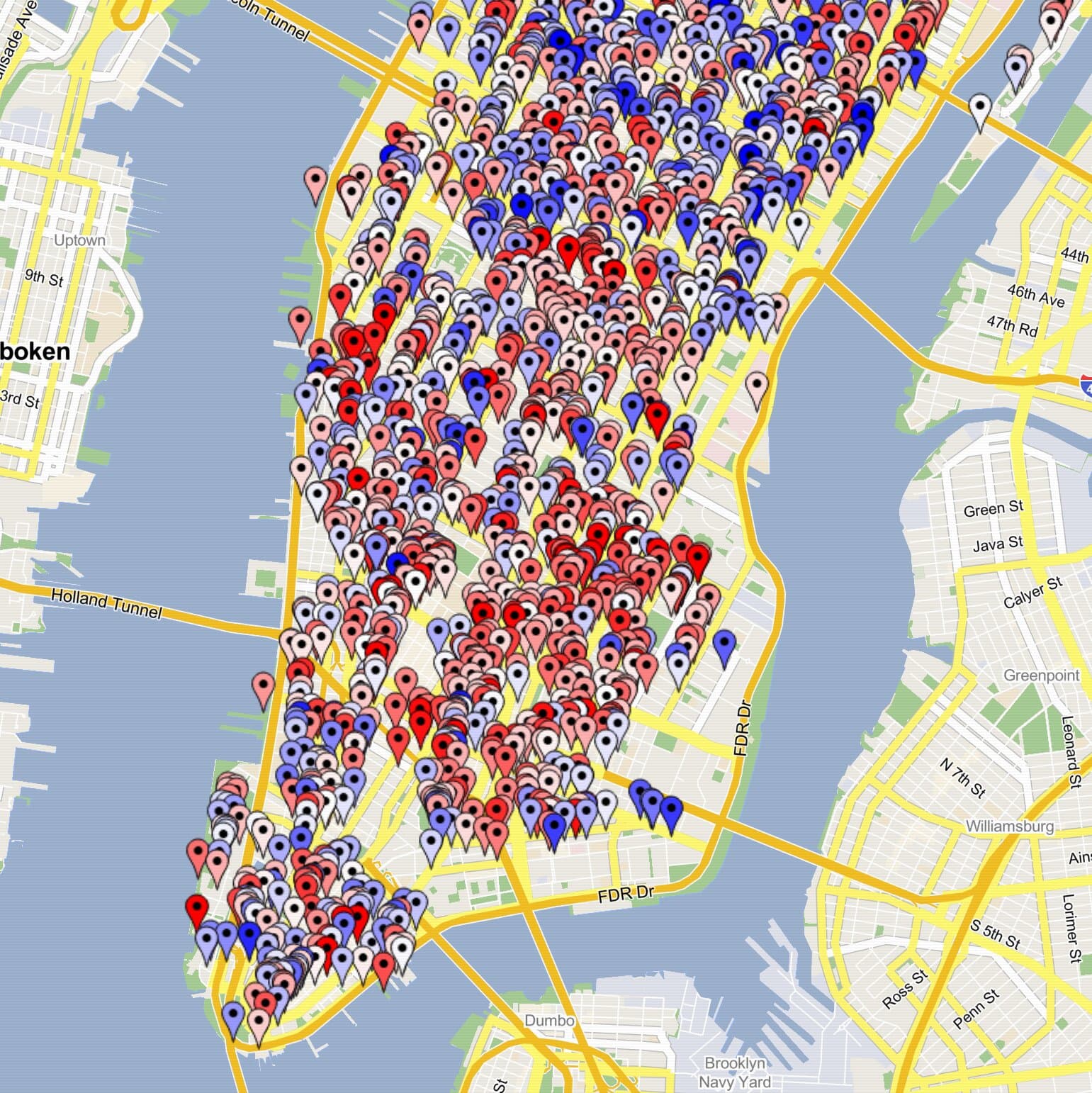
New York’s dining map is a map of change
New York’s best restaurant neighborhoods are no longer just places to eat well. They are the clearest markers of where the city’s economy, housing market, and civic investment are pulling the strongest. The official Live NYC Map includes more than 150,000 storefronts and public-facing places, and Eater describes the city as home to more than 25,000 restaurants, which helps explain why the dining scene feels less like a single corridor and more like a constantly shifting network.
That density matters because it changes what “best” means. In one part of the city, the draw may be a tightly packed stretch of dining rooms supported by office traffic and transit access. In another, it may be immigrant-led food businesses anchored by local residents, rising foot traffic, and public investment in the commercial corridor itself.
Where restaurant energy is concentrating now
The strongest restaurant neighborhoods are increasingly those that sit near the city’s growth engines. Official neighborhood-planning and business-data tools show that restaurant geography is closely tied to population growth, housing development, and commercial corridor change, especially in areas adjacent to Manhattan’s central business districts. That is a different pattern from the old model, where dining prestige clustered almost entirely around a few famous streets.
Brooklyn and Queens continue to matter because immigrant communities keep redefining what neighborhood dining looks like. The city’s food identity is shaped not only by destination restaurants, but by blocks where family-run spots, neighborhood cafes, and lower- to mid-priced dining coexist with new arrivals chasing the same customer base. In Manhattan, by contrast, the pull of the central business districts still drives a different kind of restaurant density, one built on office workers, visitors, and higher-volume service at multiple price points.
The Bronx and Staten Island are part of this map too, but they also remind the city that restaurant vibrancy does not automatically mean broad food access. Their dining scenes can be lively and deeply local, yet the pressure points around affordability and access remain sharper than in neighborhoods benefiting from denser investment.
Public money is reshaping the commercial landscape
The city is not leaving this evolution entirely to the market. The New York City Department of Small Business Services says Neighborhood 360° was created to identify, develop, and launch commercial revitalization projects in partnership with local stakeholders, with the goal of strengthening streets, small businesses, and community-based organizations. That matters for restaurants because food businesses rarely succeed in isolation; they depend on cleaner blocks, better storefronts, more foot traffic, and surrounding public life.
In August 2024, the city awarded $4.4 million to 25 organizations for neighborhood revitalization projects that included food tours, street fairs, public murals, and marketing for local businesses. Those projects are not cosmetic. They are designed to make commercial corridors feel active enough to support diners, shoppers, and entrepreneurs at the same time.
The city says its neighborhood-development investments since 2022 have exceeded $27 million. Taken together, those dollars show that the city now treats food geography as part of broader neighborhood strategy, not just private restaurant growth. In practical terms, the best dining areas are often the same places where public agencies are trying to keep streets lively and local businesses visible.
The city’s recent past still explains its food present
New York’s restaurant map also reflects a longer civic story. A 2025 New York City Comptroller report says the city’s population fell 10 percent during the 1970s, while the Bronx lost more than 20 percent of its population in that decade. The same report says the turnaround began around 1977, and that the city’s strongest sustained job growth on record came during the decade from 2010 to 2019.

Those trends help explain why today’s restaurant energy often follows growth corridors rather than old assumptions about status. As housing shortages have tightened across the city, neighborhoods near transit, new development, and job centers have become more valuable to restaurant operators and more competitive for diners. The result is a food scene that is not just about taste, but about where the city is rebuilding itself block by block.
Labor and access set the limits of the boom
A strong restaurant economy still depends on workers, and the city’s wage floor shapes how that economy functions. As of Jan. 1, 2026, the minimum hourly wage for food service workers in New York City is $17.00, with tipped-worker pay rules set by state labor law. That wage baseline is part of the cost structure behind every menu, every staffing decision, and every neighborhood opening.
Access is the other limit. The city’s 2025 Food by the Numbers reporting says food insecurity in 2023 reached 22.6 percent in the Bronx and 12.5 percent on Staten Island, which shows how uneven food access remains across boroughs even as restaurant culture thrives. The reporting framework itself was established by City Council Local Law 52 of 2011, giving the Mayor’s Office of Food Policy a long-running way to track the system more closely.
That is why New York’s best restaurant neighborhoods should be understood as more than places to book a table. They are where immigrant entrepreneurship, public investment, housing pressure, labor rules, and food access all meet. The city’s dining power is not standing still; it is moving along the same lines as neighborhood change, and the most important restaurant districts are the ones telling that story most clearly.
This article was produced by Prism’s automated news system from verified source data, official records, and press releases, then run through automated quality and moderation checks before publishing. The system is built and supervised by the people who set the standards it runs under. Read our full AI policy.
Did this article answer your question?


