Coles found to have misled shoppers with fake discounts on 245 items
A federal court said Coles used price spikes to make 245 grocery discounts look better than they were, a tactic that can fool shoppers even when the labels look familiar.
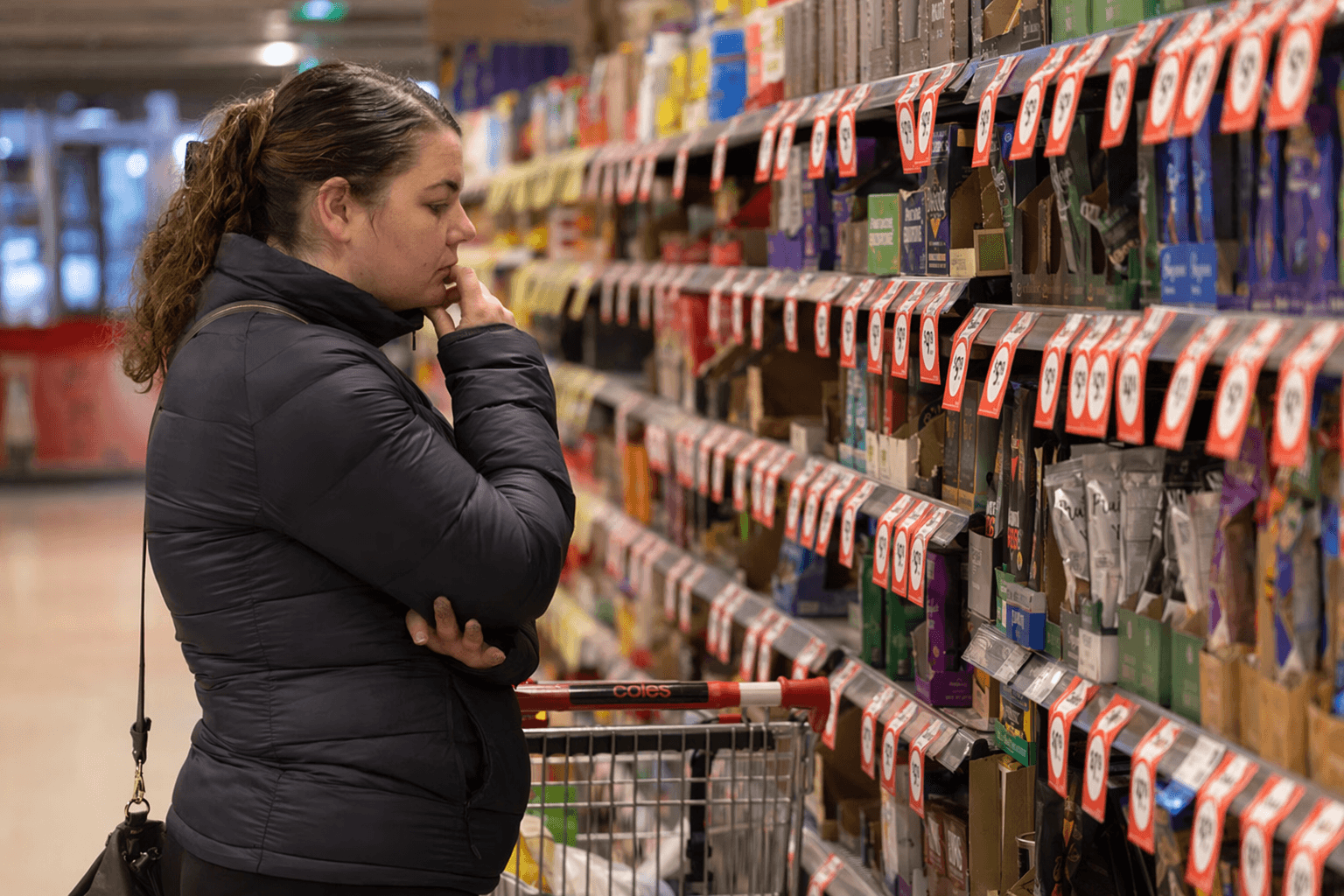
Coles misled shoppers by making grocery discounts look deeper than they were, a federal court found, in a ruling that exposes how quickly “sale” labels can lose meaning when base prices are reset first. The case centered on 245 household items sold between February 2022 and May 2023, including Arnott’s Shapes biscuits, Cadbury chocolates, Coca-Cola soft drink, Colgate toothpaste, Weet-Bix, and other staples that line supermarket aisles in Australia and the United States alike.
Justice Michael O’Bryan found that Coles’ underlying price increases could be commercially justifiable if suppliers were charging more, but he said the timing of the promotions made the discounts appear more genuine than they were. In his view, the tickets would not have been misleading if the products had been sold at the older “was” price for at least 12 weeks before the promotion. On 13 of the 14 “Down Down” tickets examined closely, he found the discounts were not genuine because the item had not been sold at the stated “was” price for a reasonable period.
The Australian Competition and Consumer Commission alleged Coles temporarily lifted each affected product’s price by at least 15 per cent for a short period, then marked it down under the “Down Down” campaign to a price that was still higher than, or the same as, the pre-spike level. The regulator said some products had already been planned for later promotion before the temporary price rise, meaning the spike helped establish a higher reference price. The ACCC brought the case in September 2024, saying it had uncovered the conduct through consumer contacts and social media monitoring before using compulsory powers to investigate.
ACCC chair Gina Cass-Gottlieb said the case was brought in the public interest to improve transparency and accountability in Coles’ discounting. The regulator argued the pricing practice made it harder for shoppers to identify genuine value for money at a time when household budgets were under strain. Coles, which operates more than 840 stores nationally, and the ACCC were not immediately available for comment after the ruling.
The decision lands well beyond one Australian chain. The ACCC also sued Woolworths in September 2024 over similar “Prices Dropped” allegations, underscoring how closely regulators are examining supermarket pricing as inflation reshapes consumer expectations. The ACCC’s broader supermarkets inquiry, whose final report was released on March 21, 2025, examined consumer experience, retail competition, supply chains and supermarket margins, adding more pressure on chains whose discounting tactics can now be tested against both public anger and legal scrutiny.
The court will later decide penalties and any other orders. For shoppers, the ruling is a warning that fake discounts can hide in plain sight, even when the label format looks routine and the aisle signage promises savings.
This article was produced by Prism’s automated news system from verified source data, official records, and press releases, then run through automated quality and moderation checks before publishing. The system is built and supervised by the people who set the standards it runs under. Read our full AI policy.
Did this article answer your question?