Colombia election looms amid Petro-Trump tensions and security worries
Colombia voted with Washington watching. A June 21 runoff could decide whether ties with Trump stay volatile or reset.
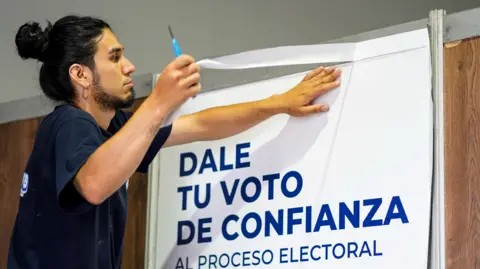
Colombia’s presidential race opened under the shadow of a bruising break with Washington, as voters chose whether to extend Gustavo Petro’s left-wing project or steer toward a sharper reset in U.S.-Colombia ties. The first round was held on May 31, with a runoff scheduled for June 21 if no candidate clears 50 percent, and the winner is set to take office on August 7.
The contest comes after months of public recrimination between Petro and Donald Trump, and the stakes are larger than rhetoric. Colombia remains one of the United States’ most important security partners in Latin America, but cooperation has been strained by disputes over counterdrug policy, migration, tariff threats, visa restrictions, aid cuts and U.S. sanctions. For Washington, the choice is whether to keep working with a government seen as combative and unpredictable, or to bet on a successor more willing to restore alignment on shared priorities.
Petro cannot seek reelection, but his legacy hangs over the vote. He has pushed labor reform, raised the minimum wage to historic levels and made “total peace” the centerpiece of his presidency. His administration has also been dogged by corruption scandals, concern that ceasefires with armed groups have strengthened those groups, and a record cocaine-production problem after the government eased emphasis on coca eradication.
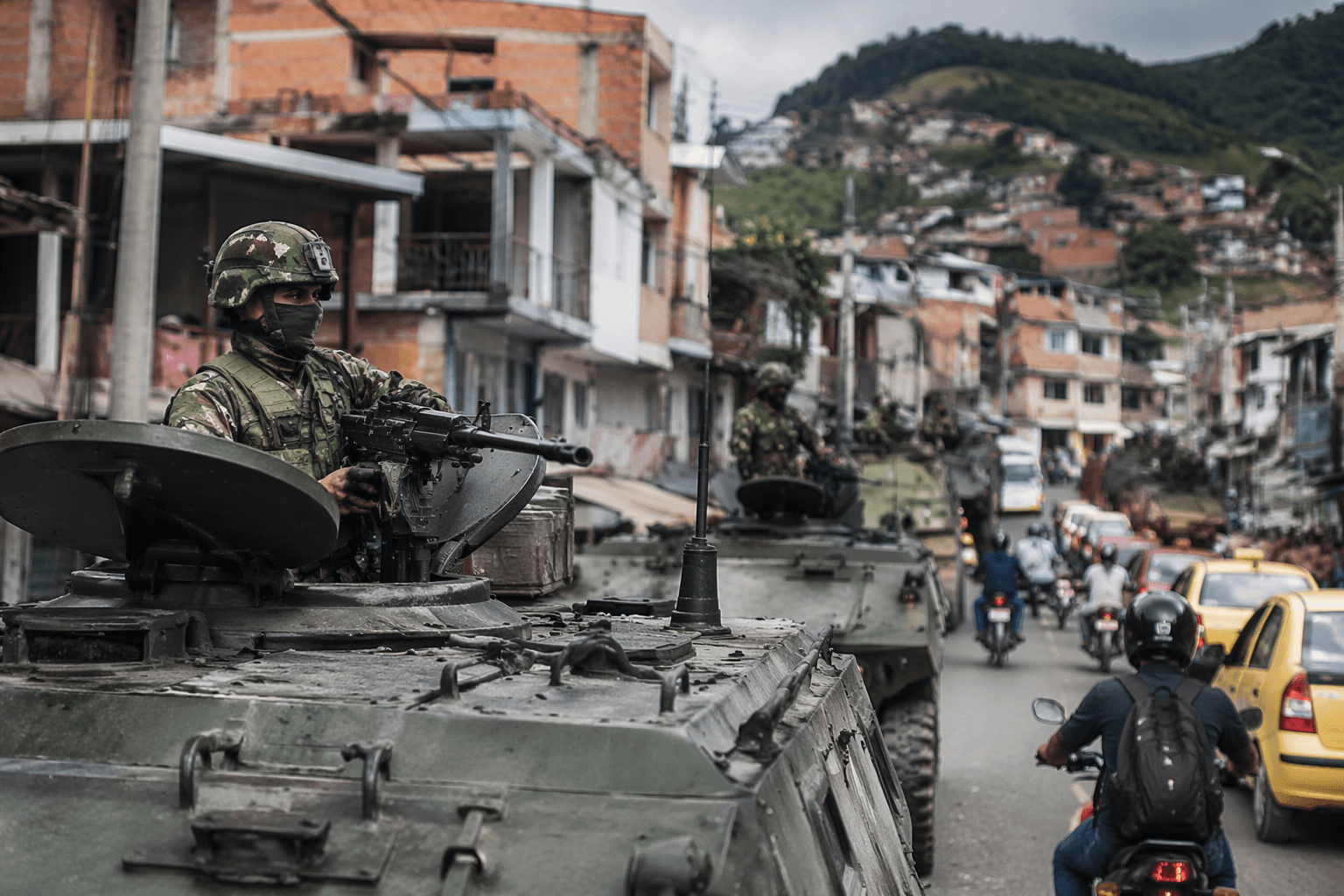
Security is the campaign’s most immediate risk. Members of Congress have warned about political violence since the June 7, 2025 assassination attempt on presidential hopeful Miguel Uribe Turbay, who died on August 11, 2025. Armed groups could also try to influence voting in some regions, a reminder that the electoral contest is unfolding alongside an active security crisis.
The field is fractured. Congressional research has highlighted Iván Cepeda of Petro’s Historic Pact, Paloma Valencia of the Democratic Center and independent Abelardo de la Espriella, while the broader race remains polarized. Colombia’s March 8 legislative elections underscored that split: the Historic Pact won the most Senate and House seats, the Democratic Center finished second, and the next president is likely to need cross-party alliances to govern.
That makes the election a test not just of domestic politics but of the bilateral relationship built over more than two centuries of diplomatic ties. Plan Colombia, launched in FY2000, became the backbone of security cooperation, helping train and equip Colombian forces and supporting the peace process with the FARC. The United States last decertified Colombia in 1997, re-certified it in 1998, then decertified it again in September 2025 over historic highs in coca cultivation and cocaine production.
In October 2025, the Trump administration imposed OFAC sanctions on Petro and members of his inner circle, including his wife, his son and a close associate. Petro denounced the pressure as meddling in Colombia’s internal politics. The next president will inherit that rupture, and the decision in Bogotá will shape whether Colombia remains a closely aligned U.S. partner or moves toward a more autonomous and less predictable foreign policy.
This article was produced by Prism’s automated news system from verified source data, official records, and press releases, then run through automated quality and moderation checks before publishing. The system is built and supervised by the people who set the standards it runs under. Read our full AI policy.
Know something we missed? Have a correction or additional information?
Submit a Tip