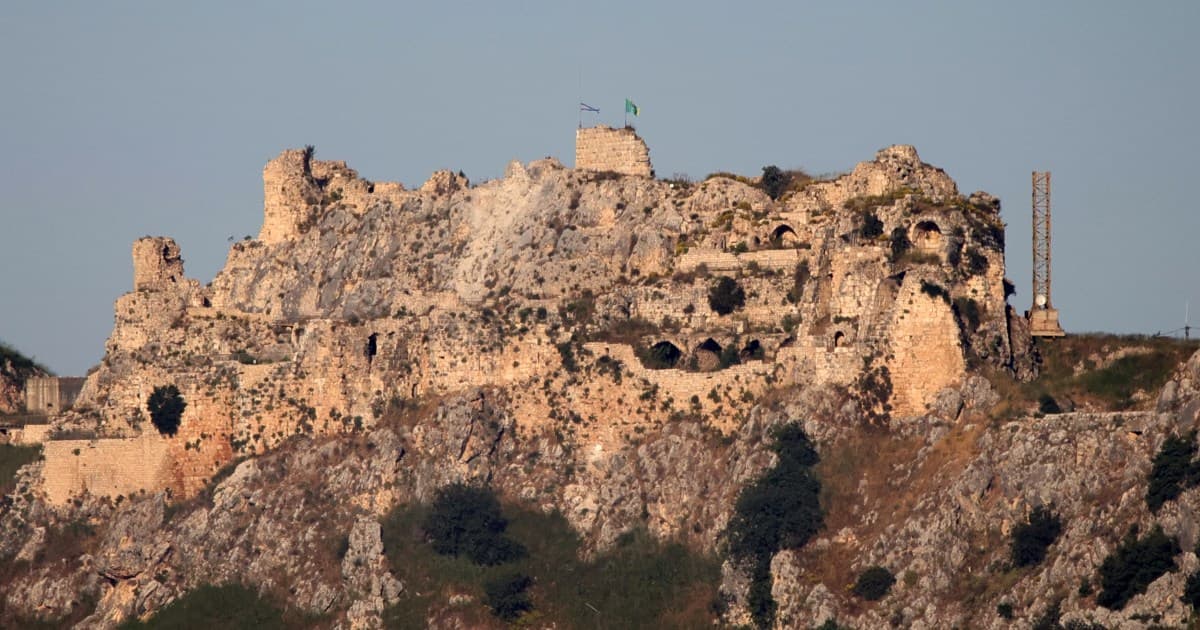
IAEA warns of grave risk after drone attack on Zaporizhzhia plant
A reported drone attack near Zaporizhzhia raised fresh alarm at Europe’s largest nuclear plant, where six reactors sit in cold shutdown on one fragile power line.
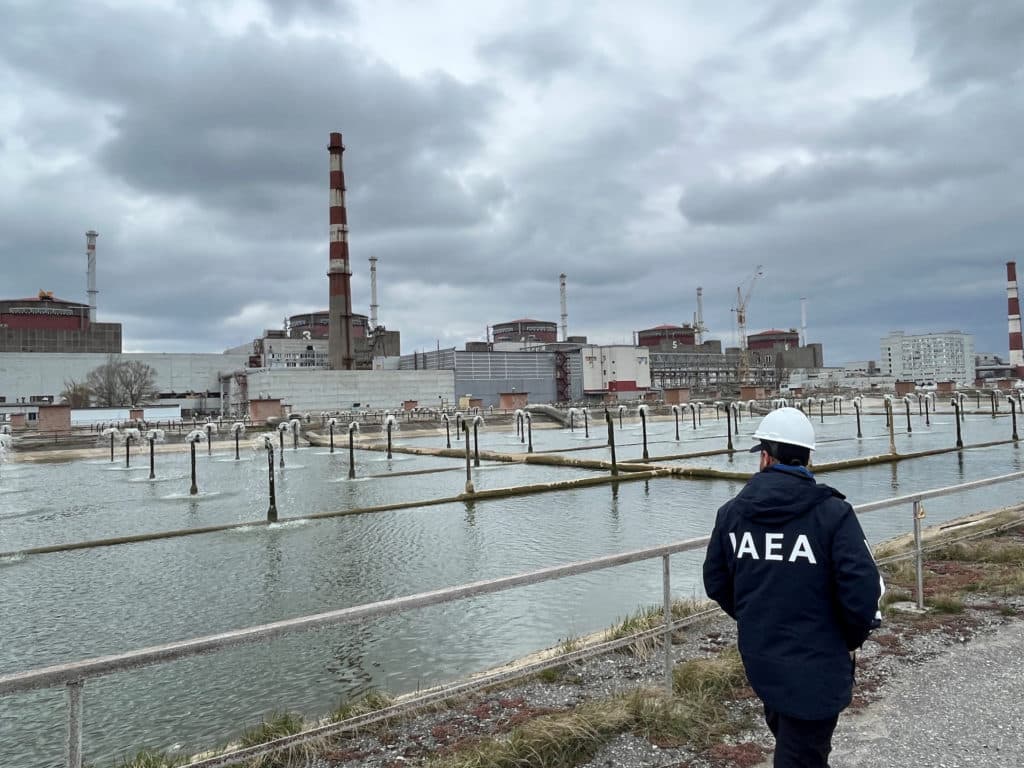
The International Atomic Energy Agency said it had “serious concern” after Moscow accused Ukrainian forces of launching a drone attack on the Zaporizhzhia Nuclear Power Plant, where every burst of fighting carries consequences well beyond the front line. The plant has been under Russian Federation control since 4 March 2022, and the agency has repeatedly warned that military activity around the site is creating unacceptable risks to nuclear safety and security.
The IAEA’s warning rests on a simple fact: Zaporizhzhia is not a normal war zone. It is the first time in history that an armed conflict has unfolded amid the facilities of a major nuclear power programme, and the agency established a continuous presence at the plant on 1 September 2022 after Director General Rafael Mariano Grossi crossed the frontline to deploy staff there. Since then, the IAEA has sent 61 staff members in 30 rotations to monitor conditions at the site.
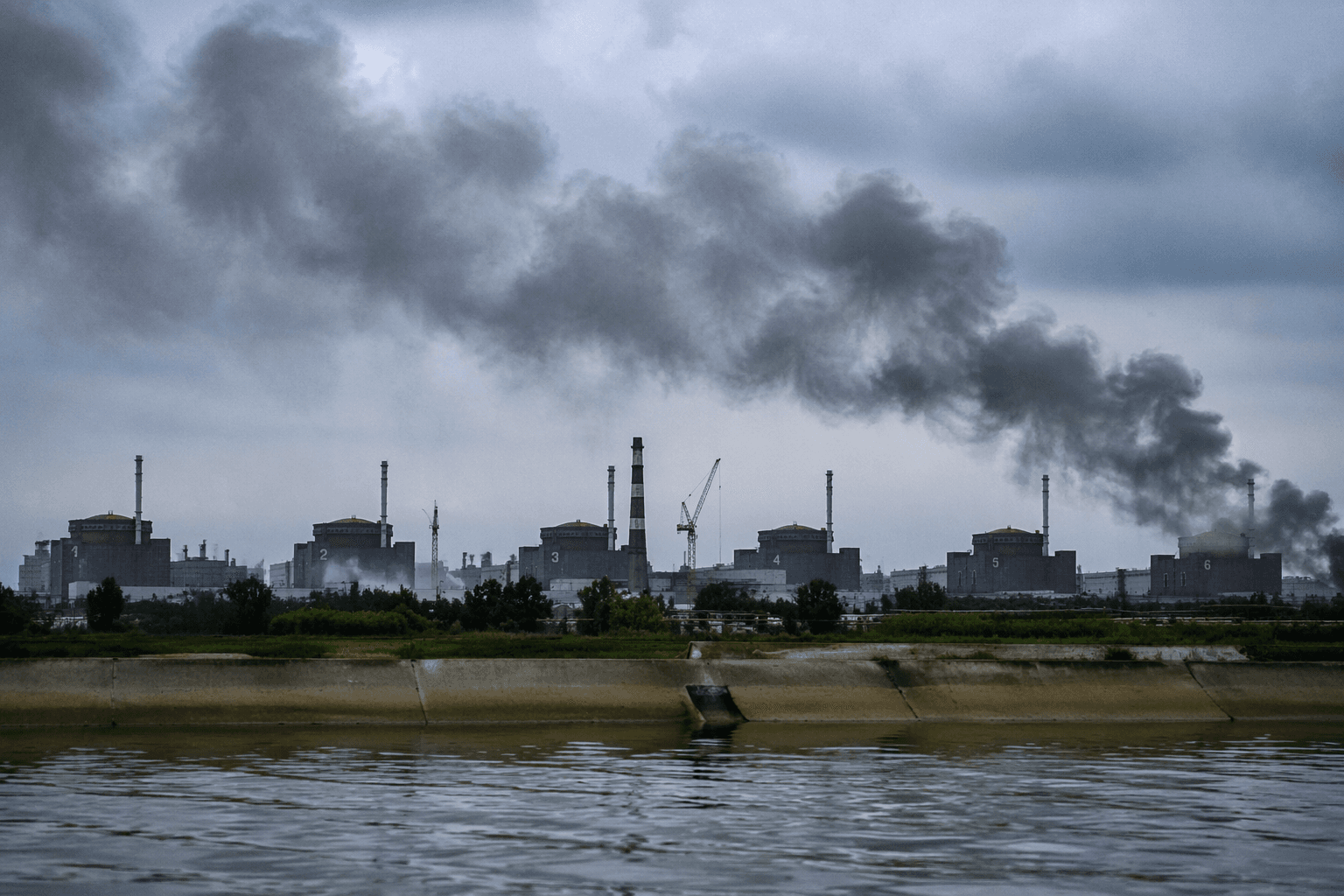
The plant’s operational status remains highly constrained. All six reactors are in cold shutdown, and the IAEA says they cannot be restarted while the military conflict keeps undermining conditions at the station. Its off-site power supply is also precarious. As of 29 May 2025, the plant was relying on just one functioning 750 kV line for essential nuclear safety and security functions, down from ten before the war, and it has lost all off-site power eight times since the conflict began.
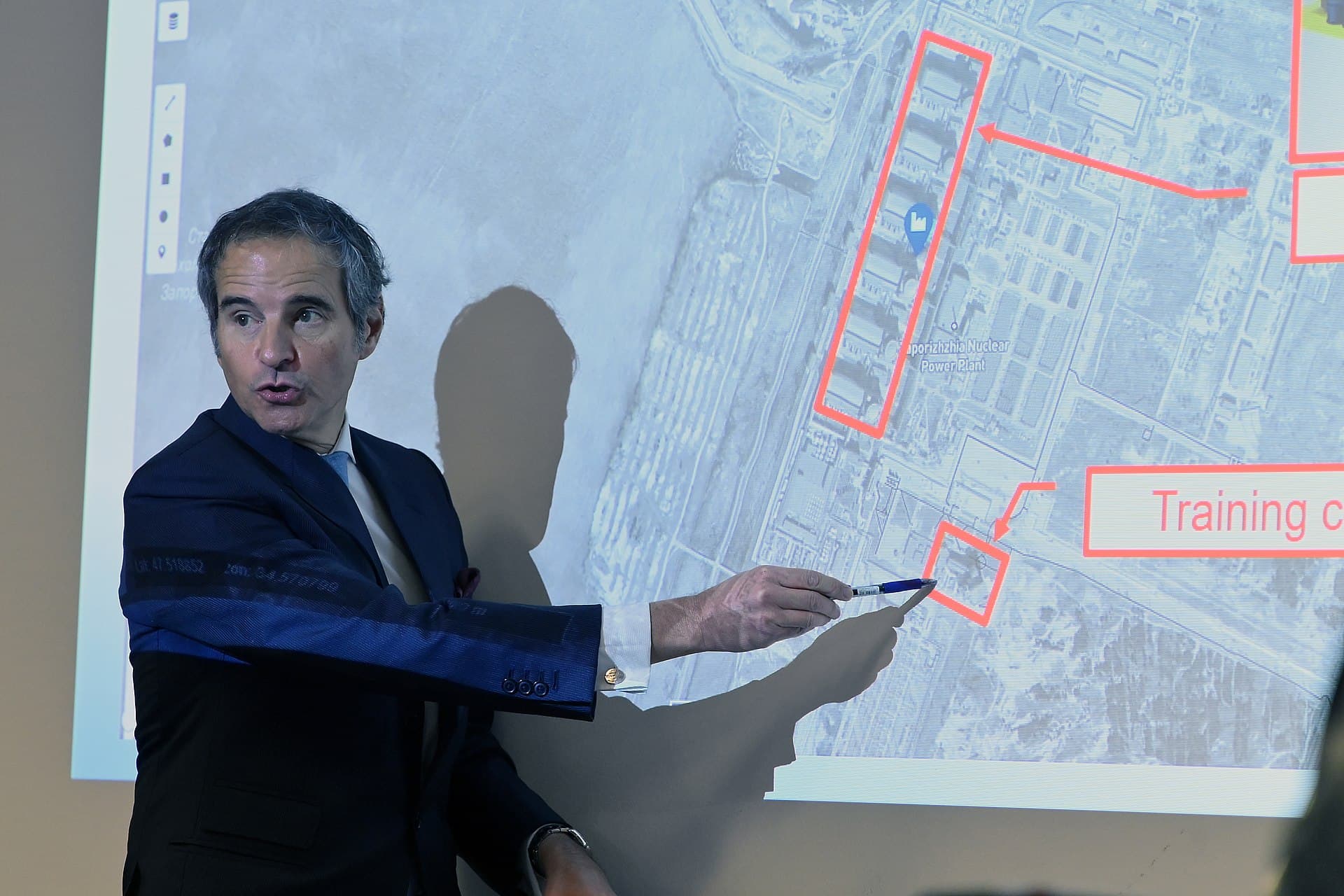
Recent incidents have deepened the alarm. On 21 May 2025, the IAEA said its team heard bursts of gunfire as a reported drone attack struck the plant’s training centre for the third time that year. The plant said the drone hit the roof, with no casualties or major damage. On 5 June 2025, IAEA staff heard repeated gunfire and explosions as drones reportedly attacked the same training centre near the site perimeter. On 1 July 2025, the agency said another reported drone attack damaged several vehicles near the cooling pond, about 600 metres from the nearest reactor.
The broader diplomatic backdrop has done little to ease the danger. In July 2024, the United Nations General Assembly adopted a resolution on Ukraine’s nuclear facilities by 99 votes to nine, with 60 abstentions, calling for Russia to withdraw unauthorized personnel from Zaporizhzhia and return full control of the plant to Ukraine. It also demanded full IAEA access to areas important for nuclear safety and security. The agency said direct drone attacks on the plant in April 2024, the first since its five concrete principles were established, significantly increased the risk of a nuclear accident.
This article was produced by Prism’s automated news system from verified source data, official records, and press releases, then run through automated quality and moderation checks before publishing. The system is built and supervised by the people who set the standards it runs under. Read our full AI policy.
Know something we missed? Have a correction or additional information?
Submit a Tip