World Food Programme warns of more famines amid aid shortfall
Cindy McCain warned the World Food Programme has only about half the money it needs as 27 million people in Congo face hunger and more famines loom.
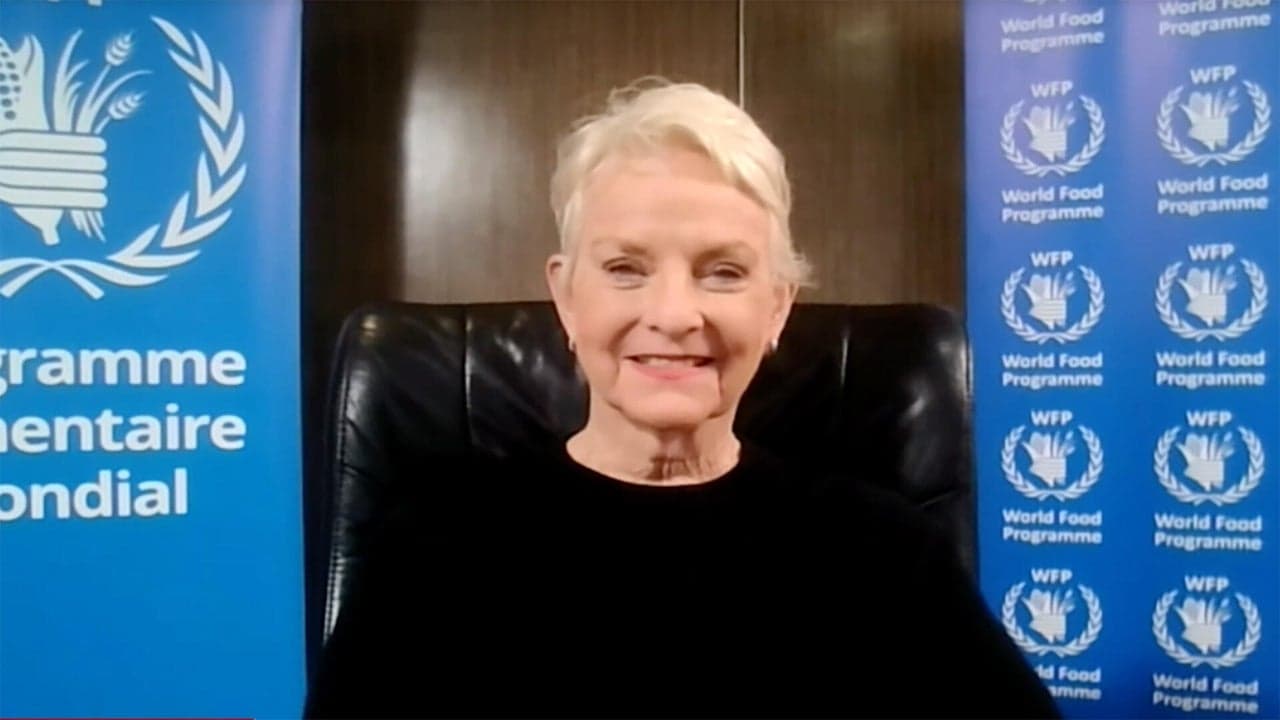
Cindy McCain said the World Food Programme is entering 2026 with only about half the money it needs to feed the people it is trying to reach, a shortfall she tied to U.S. cuts and a wider global retreat from aid. In an interview with Margaret Brennan, McCain warned that the consequences are already visible in crisis zones from the Democratic Republic of the Congo to Gaza, and she said the agency is now watching for the possibility of additional famines beyond the two it says have already happened, a development she called unprecedented.
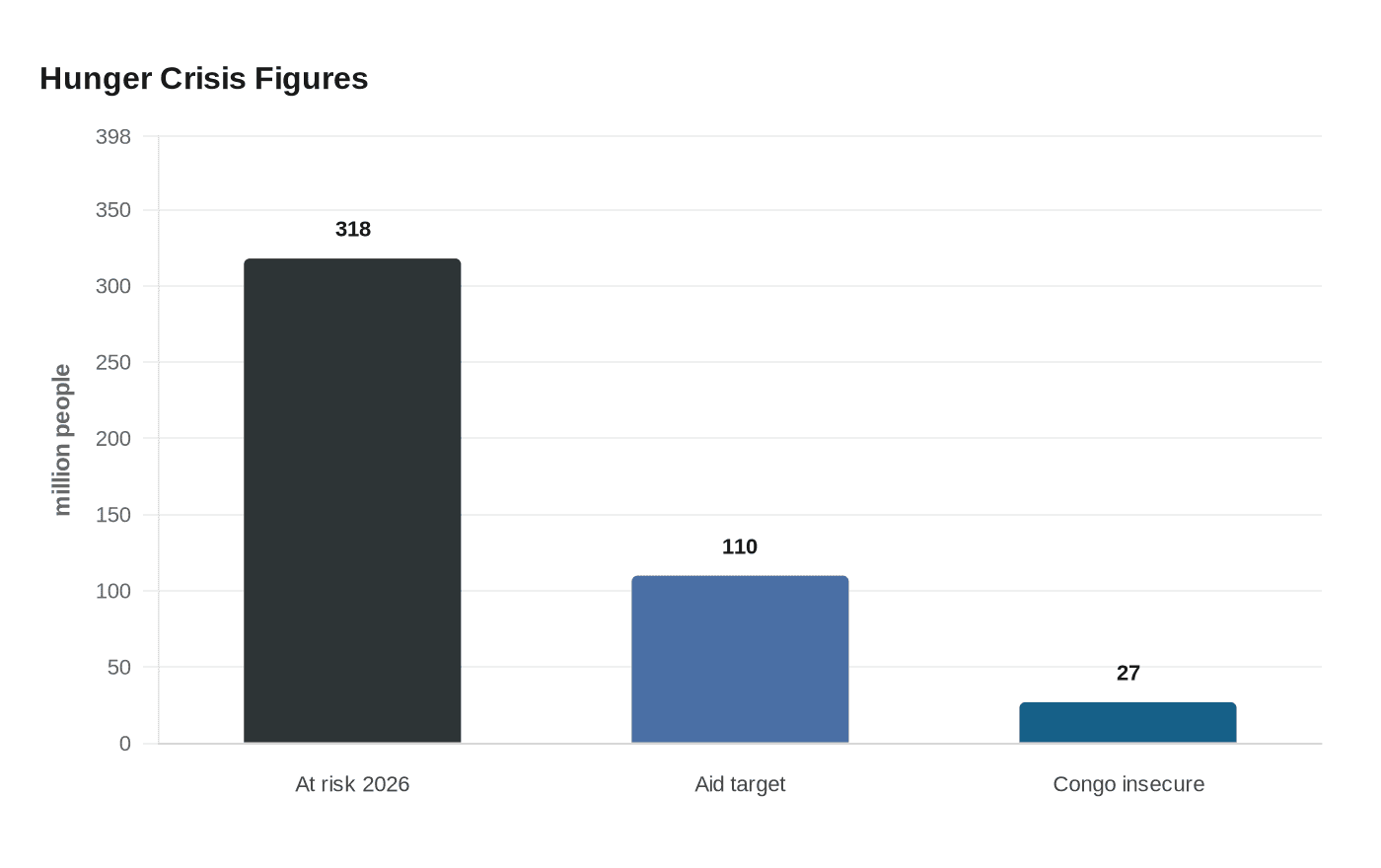
The warning lands against a global hunger picture that the United Nations has described as worsening fast. The World Food Programme said in November that 318 million people were facing crisis levels of hunger or worse in 2026. The agency said it aimed to reach 110 million of the most vulnerable people at an estimated cost of $13 billion, but funding forecasts indicated it could receive close to half that amount. Food and Agriculture Organization and World Food Programme warnings in November projected that acute food insecurity would worsen in 16 countries and territories between then and May 2026.
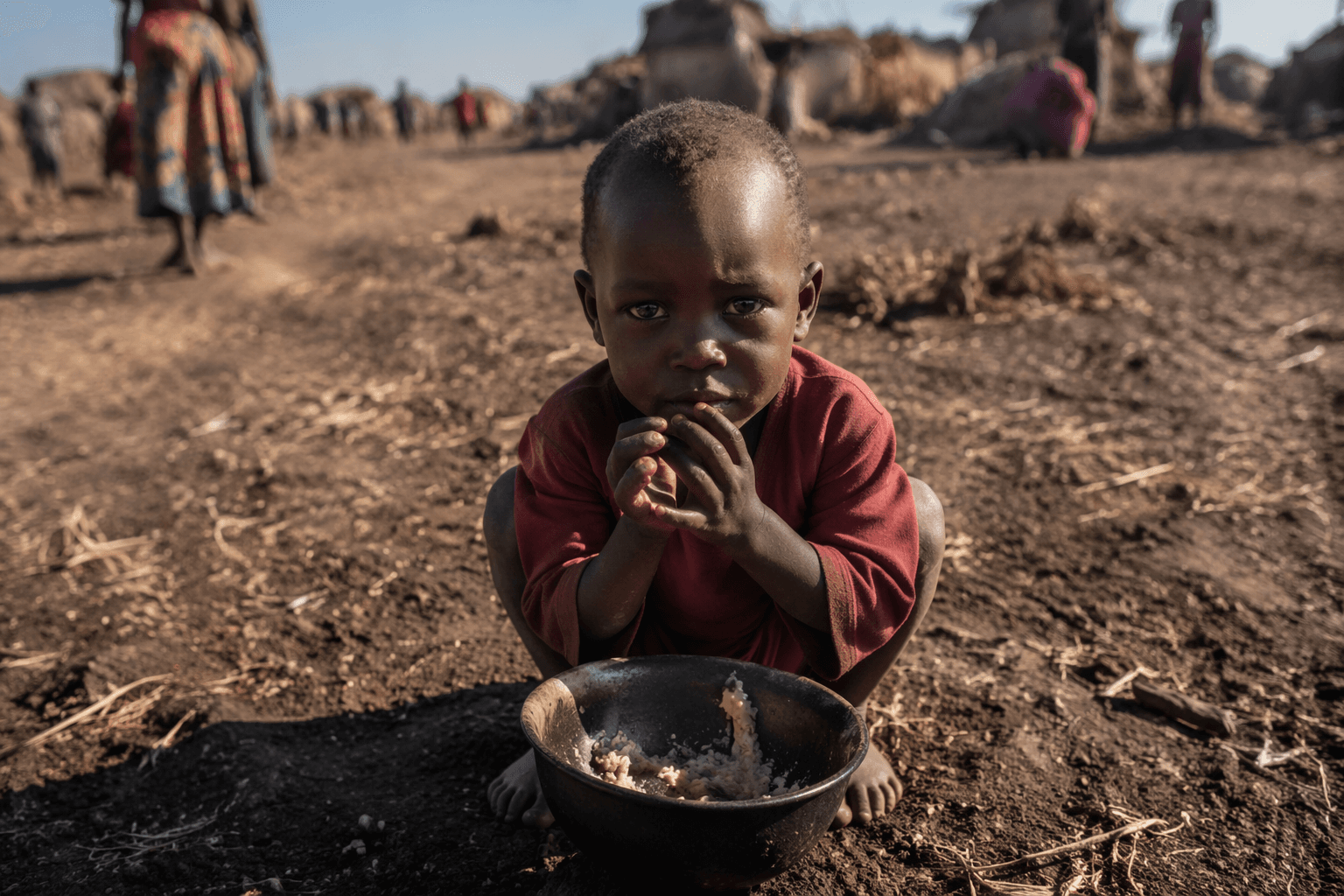
The highest-risk famine or catastrophic hunger countries named in that warning were Sudan, Palestine, South Sudan, Mali, Haiti and Yemen. The same warning flagged the Democratic Republic of the Congo, Myanmar, Nigeria, Somalia, Syria and Afghanistan as other very high concern countries. McCain singled out Congo as an emergency response area and said about 27 million people there are food insecure, underscoring how conflict, displacement and collapsing local livelihoods are pushing more families into dependence on humanitarian aid.
McCain has spent months arguing that the crisis is not inevitable. In January, she said the world was already confronting a dangerous and deepening hunger emergency only two weeks into the year and called for an end to man-made famines. She said the World Food Programme’s priorities for 2026 include expanding its funding base, using new technologies and supporting frontline teams working in increasingly dangerous conditions. In August 2025, after visiting Gaza, she described famine conditions there as devastating, a view that reflected how quickly hunger can turn into mass death when war cuts off food, fuel and medical access.
This article was produced by Prism’s automated news system from verified source data, official records, and press releases, then run through automated quality and moderation checks before publishing. The system is built and supervised by the people who set the standards it runs under. Read our full AI policy.
Know something we missed? Have a correction or additional information?
Submit a Tip