Colombia unveils $1.68 billion anti-drone shield against armed groups
Colombia approved a $1.68 billion program to build an anti-drone shield to detect and neutralize hostile drones used by illegal armed groups.
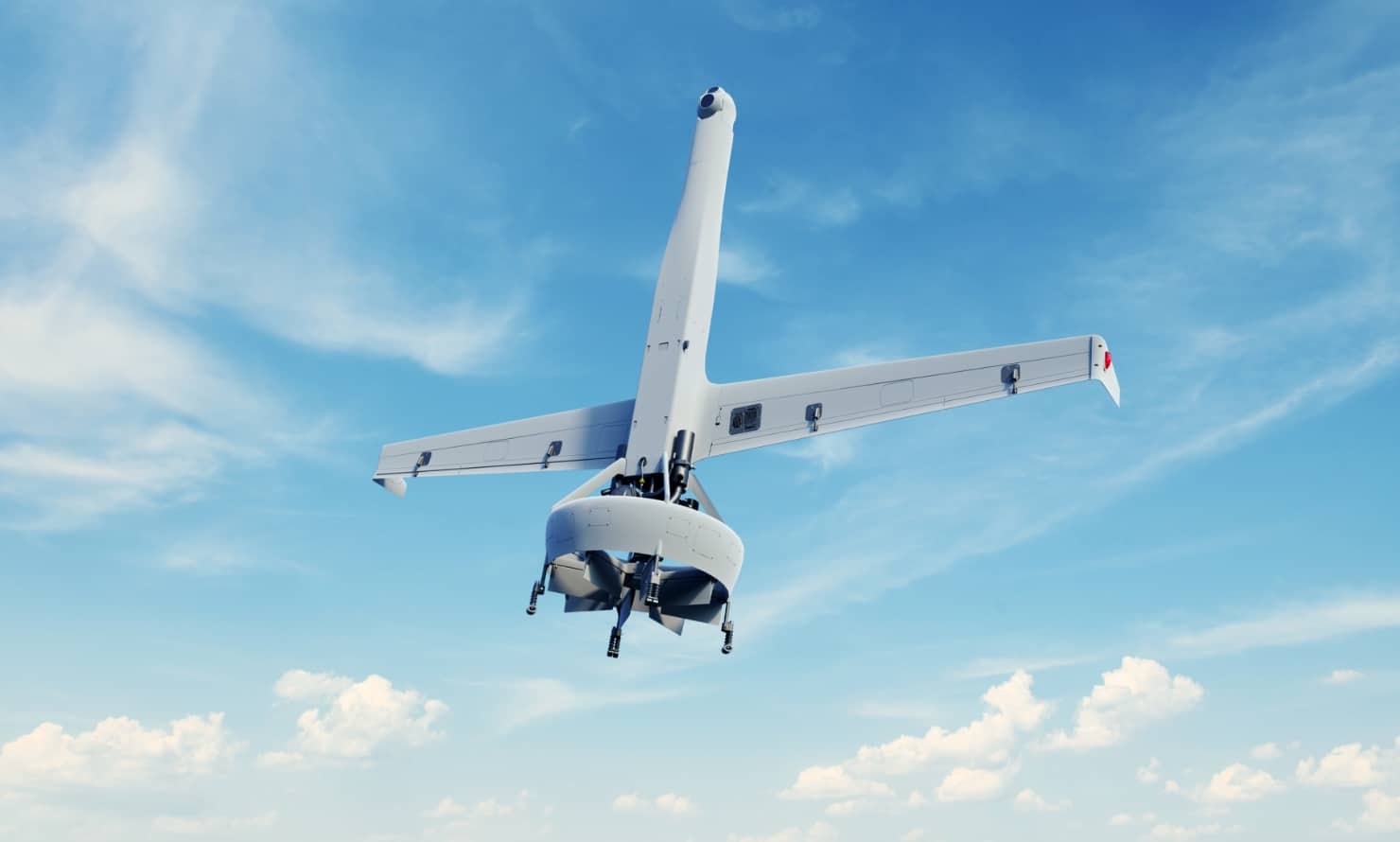
Colombia approved a multi-phase, roughly $1.68 billion program on Jan. 16, 2026 to establish a national anti-drone shield aimed at detecting and neutralizing unmanned aerial systems deployed by illegal armed groups. The decision represents a major investment in electronic and sensor-based defenses and signals a new phase in the state’s long campaign to reassert control over contested airspace.
The program, described by government sources as multi-phased, will fold surveillance sensors, command-and-control integration and countermeasure capabilities into a nationwide architecture intended to cover urban perimeters, strategic infrastructure and rural corridors where insurgents and criminal organizations have used drones for reconnaissance, attacks and contraband delivery. Officials framed the initiative as a response to a rising threat landscape in which low-cost drones have become a tactical multiplier for nonstate actors.
Beyond the equipment purchase, the project carries implications for civil-military relations and domestic liberties. Deploying jamming systems, radio frequency detection arrays and kinetic or non-kinetic interceptors raises questions about airspace management, the rights of indigenous and rural communities, and the legal frameworks that govern electronic countermeasures. Colombia’s regulatory authorities will need to reconcile counter-drone operations with aviation safety and privacy protections, a task that lawyers and rights groups already say merits careful oversight.
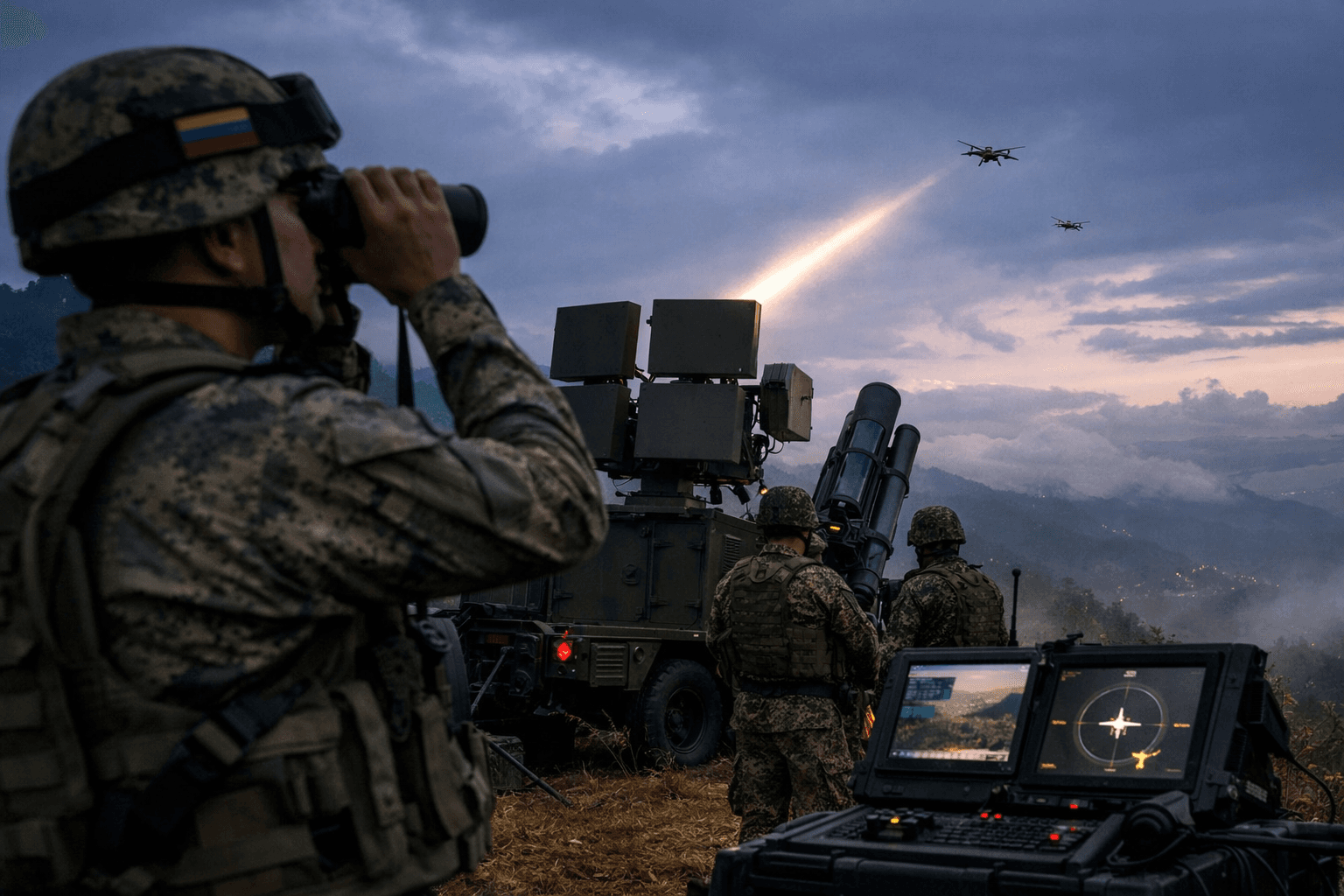
Regionally, the shield could alter tactical balances along Colombia’s porous borders. Neighboring states are likely to watch closely for secondary effects such as electromagnetic interference or expanded surveillance footprints that cross international lines. Colombia has long cooperated with external partners on security matters; procuring complex anti-drone systems could prompt new defense ties or deepen existing partnerships, even as Bogotá seeks to preserve strategic autonomy in deployments that impact civilian airspace.
The scale of the investment makes the anti-drone program one of the most ambitious counter-UAS initiatives in Latin America. For a state that has focused much of its post-conflict security strategy on ground operations against dissident groups and illicit trafficking networks, the shift toward aerial domain protection reflects an adaptation to evolving tactics. Low-altitude drones present a challenge that traditional air defenses are not tailored to meet, prompting armies and police forces worldwide to develop layered responses combining detection, identification and neutralization.
Implementation will test Colombia’s institutional capacities, requiring coordination among the armed forces, civil aviation authority, interior ministry and local governments. The technological nature of counter-UAS systems also raises questions about maintenance, training, and the lifecycle costs that accompany large procurement programs. Observers note that sustaining a sophisticated shield will depend on long-term budgets and the development of domestic expertise to operate and adapt systems in diverse geographic environments.
Humanitarian and community groups caution that enhanced surveillance and jamming in rural and indigenous territories must be balanced against the rights and daily lives of civilians. The government faces the challenge of presenting the program not only as a tactical necessity but as a component of a broader security policy that respects legal safeguards and seeks to minimize unintended harms.
As Colombia moves from approval to procurement and deployment, the anti-drone shield will become a barometer of how states confront asymmetric aerial threats while managing legal, diplomatic and social trade-offs in an interconnected region.
This article was produced by Prism’s automated news system from verified source data, official records, and press releases, then run through automated quality and moderation checks before publishing. The system is built and supervised by the people who set the standards it runs under. Read our full AI policy.
Did this article answer your question?


