Colorado court orders new trials for ex-paramedics in Elijah McClain death
A Colorado appeals court ordered new trials for two ex-paramedics in Elijah McClain’s death, reopening a case that tested criminal liability in police-custody medicine.
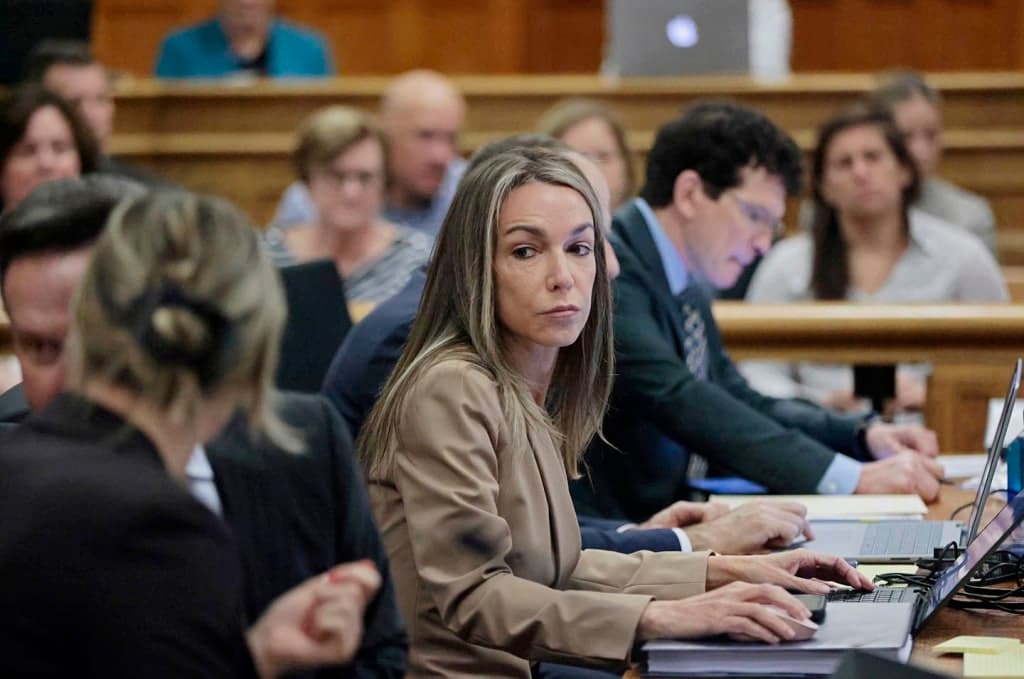
The Colorado Court of Appeals vacated the criminally negligent homicide convictions of former Aurora Fire Rescue paramedics Peter Cichuniec and Jeremy Cooper, sending both men back for new trials on that charge while leaving Cichuniec’s second-degree assault conviction in place. The ruling reopened one of the most closely watched accountability cases to emerge from the 2020 racial-justice protests, where the central question has remained how far criminal law can reach when medical responders act after police have already restrained a patient.
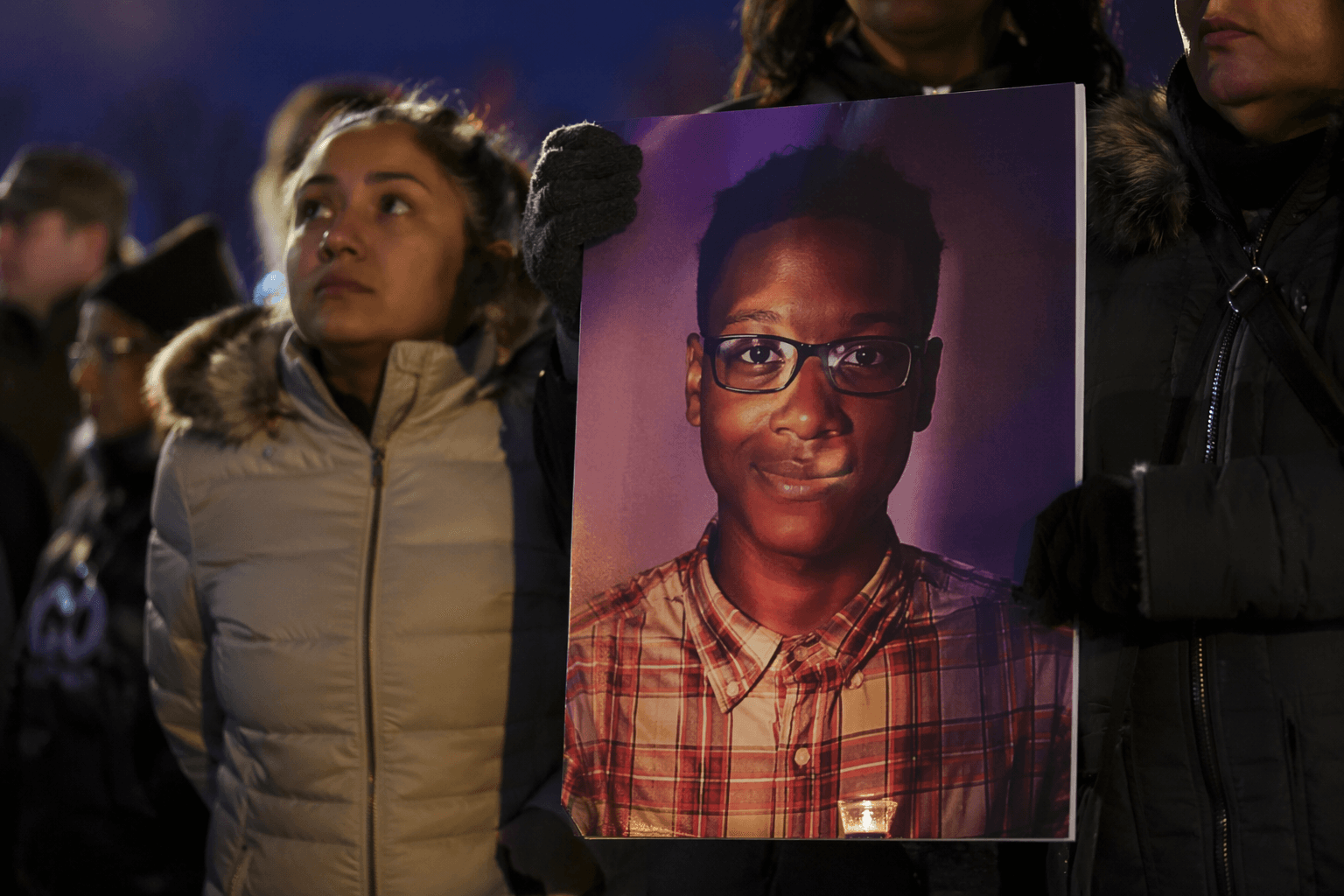
McClain was 23 when Aurora police stopped him near Billings Street and East Colfax Avenue on Aug. 24, 2019, after a 911 call reported a suspicious person. He was walking home after buying iced tea, dancing to music in his headphones, and was unarmed and sober. Paramedics later injected him with 500 milligrams of ketamine, a dose described in prior reporting as far above the amount appropriate for a 140-pound man. McClain died three days later, on Aug. 27, 2019, at University of Colorado Hospital in Aurora.
The Adams/Broomfield coroner ruled the cause and manner of death undetermined, citing intense physical exertion and a narrow left coronary artery as contributing factors. The 17th Judicial District Attorney declined charges in November 2019, but the case was reopened after the national protests following George Floyd’s death. Gov. Jared Polis then appointed Attorney General Phil Weiser as special prosecutor on June 25, 2020, and the state pursued criminal charges against both paramedics and the officers involved.
Over three trials, juries convicted Cichuniec and Cooper of criminally negligent homicide, while also convicting Aurora officer Randy Roedema of criminally negligent homicide and third-degree assault. Jason Rosenblatt and Nathan Woodyard were acquitted. In 2024, an Adams County judge reduced Cichuniec’s prison term to four years of probation, and Cooper later received probation as well.
The appeal turned in part on whether the jury instructions on complicity required proof that the principal actor also be convicted, a legal standard that prosecutors urged the court not to second-guess. By ordering new trials on the homicide counts, the appeals court preserved the possibility of renewed criminal proceedings in a case that has already shaped state debates over emergency sedation, use-of-force aftermath, and the difficult burden of proving criminal negligence by medical responders working in police-custody deaths.
This article was produced by Prism’s automated news system from verified source data, official records, and press releases, then run through automated quality and moderation checks before publishing. The system is built and supervised by the people who set the standards it runs under. Read our full AI policy.
Know something we missed? Have a correction or additional information?
Submit a Tip