Northern lights could reach farther south as three solar storms hit Earth
Three solar eruptions aimed at Earth may push auroras as far south as Illinois and Oregon while also risking GPS, radio and power disruptions.
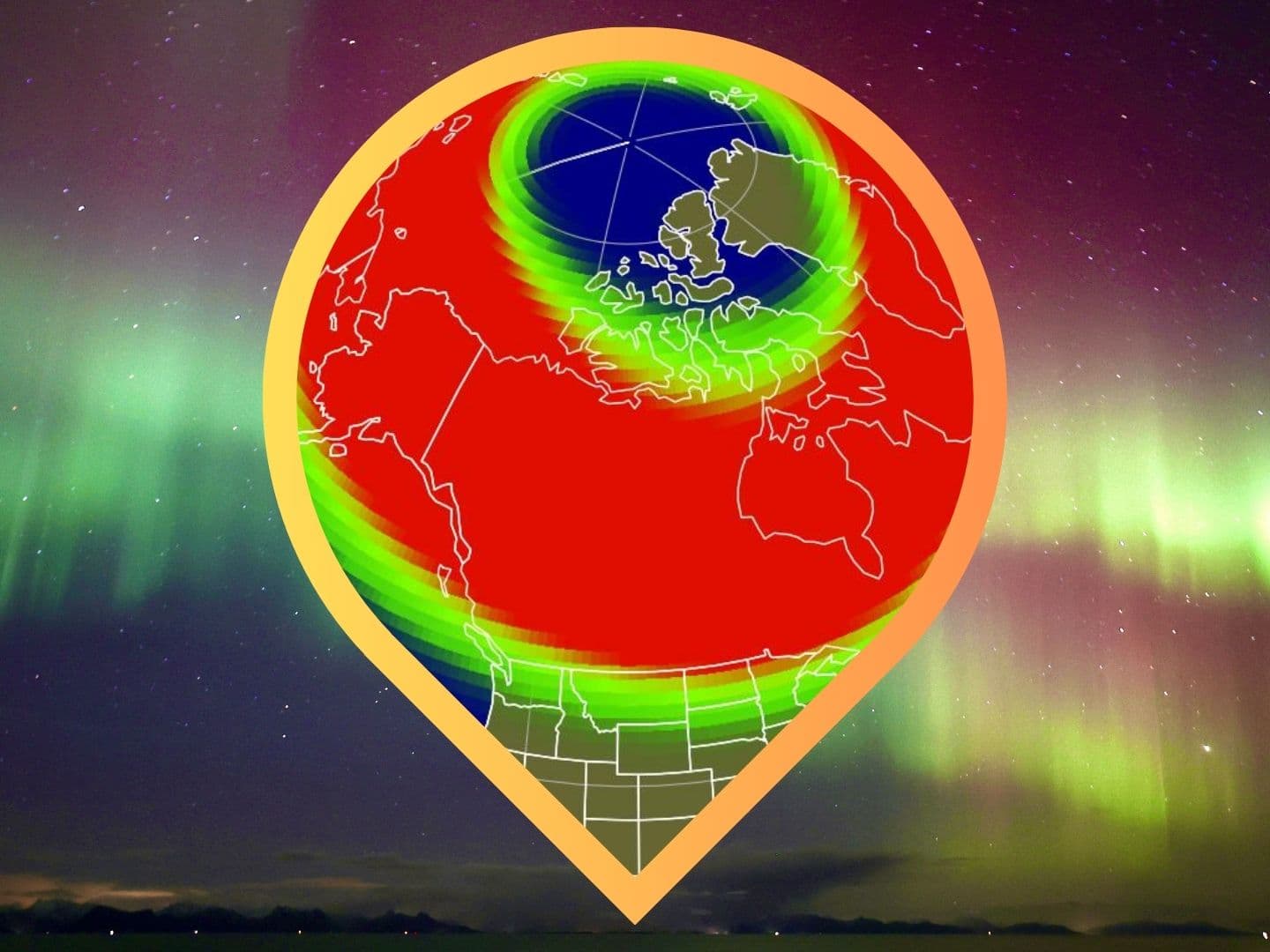
Sky-watchers in the United States had a better-than-usual chance to see the northern lights farther south after NOAA’s Space Weather Prediction Center put a Strong Geomagnetic Storm G3 watch in effect for June 4-5 UTC and said three coronal mass ejections were expected to interact with Earth. NOAA’s aurora dashboard showed G3 conditions for June 4 and June 5 UTC, then a drop to none on June 6 UTC.
NOAA said the storm risk was tied to active Region 4455, which produced an M9.3 flare, an M7.7 flare and an X1.0 flare. In its forecast discussion issued at 0030 UTC on June 4, NOAA said the CME from the M9.3 flare was the most Earth-directed, while the CME from the M7.7 flare was the least directly targeted, though still glancing Earth-directed. The agency’s scale says G3 storms can bring intermittent satellite navigation problems, low-frequency radio navigation issues and intermittent high-frequency radio disruptions, with auroras visible as low as Illinois and Oregon.
The infrastructure risk was not limited to a prettier sky. ABC News said G3 storms can require voltage corrections on power systems and interfere with satellite-navigation and low-frequency radio navigation, while a stronger G4 storm can bring wider voltage problems and more serious navigation disruptions. NOAA says under G4 conditions auroras can reach as far south as Alabama and northern California, a sign of how quickly the display can expand if the solar blast intensifies.
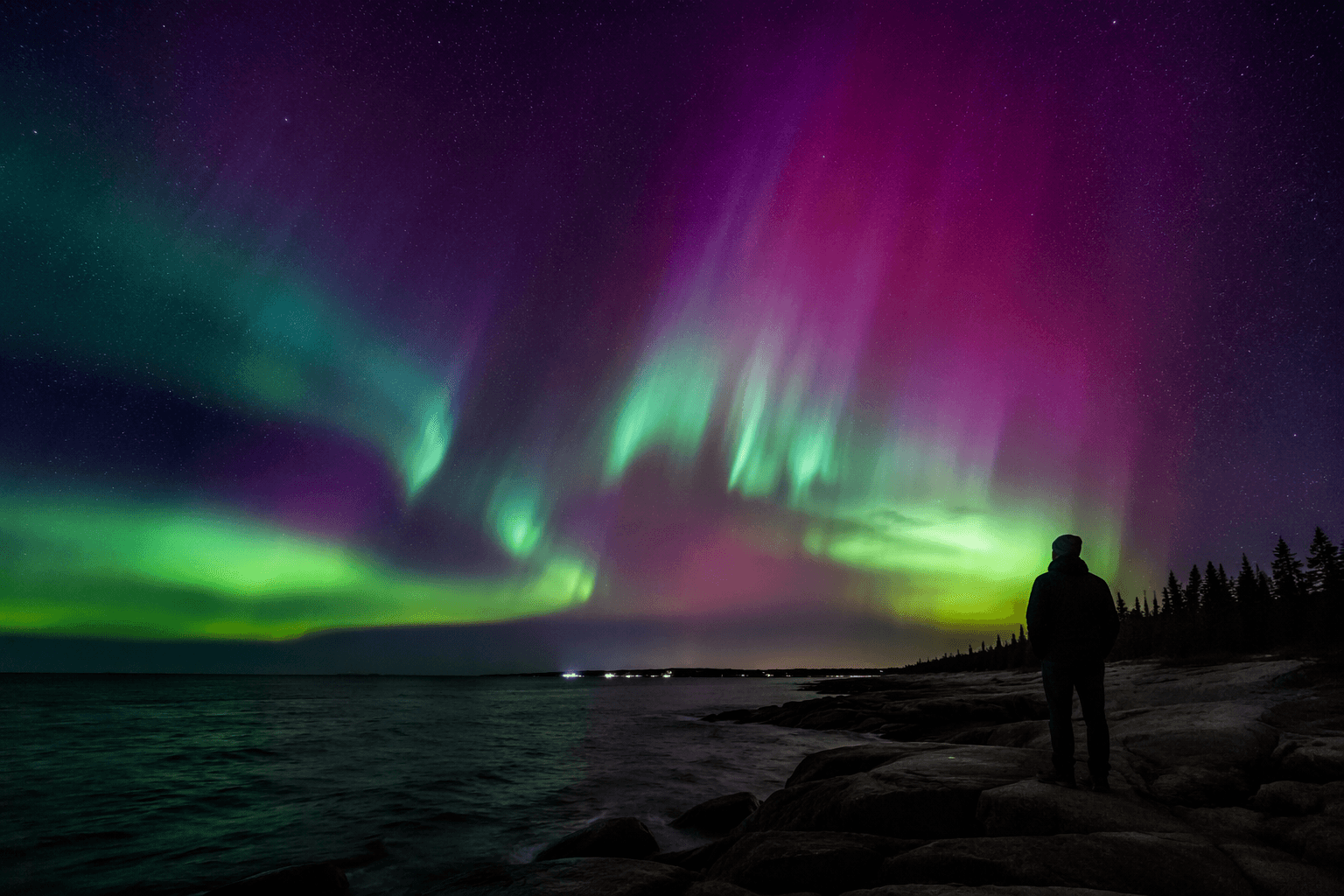
The British Geological Survey added another layer of concern, saying a faint halo CME left the Sun at about 01:40 UT on June 3, followed by a second CME at 07:58 UT, while a coronal hole high-speed stream was already disturbing near-Earth space. That combination could push conditions to NOAA G4 levels if the first two CMEs merge. ABC News said the fastest CME was likely to catch up with the first two, making a combination event more likely. For the best chance to catch the lights, NOAA says the strongest U.S. viewing window is generally between 10 p.m. and 4 a.m. local time.
This article was produced by Prism’s automated news system from verified source data, official records, and press releases, then run through automated quality and moderation checks before publishing. The system is built and supervised by the people who set the standards it runs under. Read our full AI policy.
Know something we missed? Have a correction or additional information?
Submit a Tip