Colorado Parks and Wildlife Re-seeds Thousands of Burned Acres Across Western Colorado
Colorado Parks and Wildlife is re-seeding thousands of burned acres in western Colorado to restore wildlife habitat and protect watersheds after an intense 2025 wildfire season.
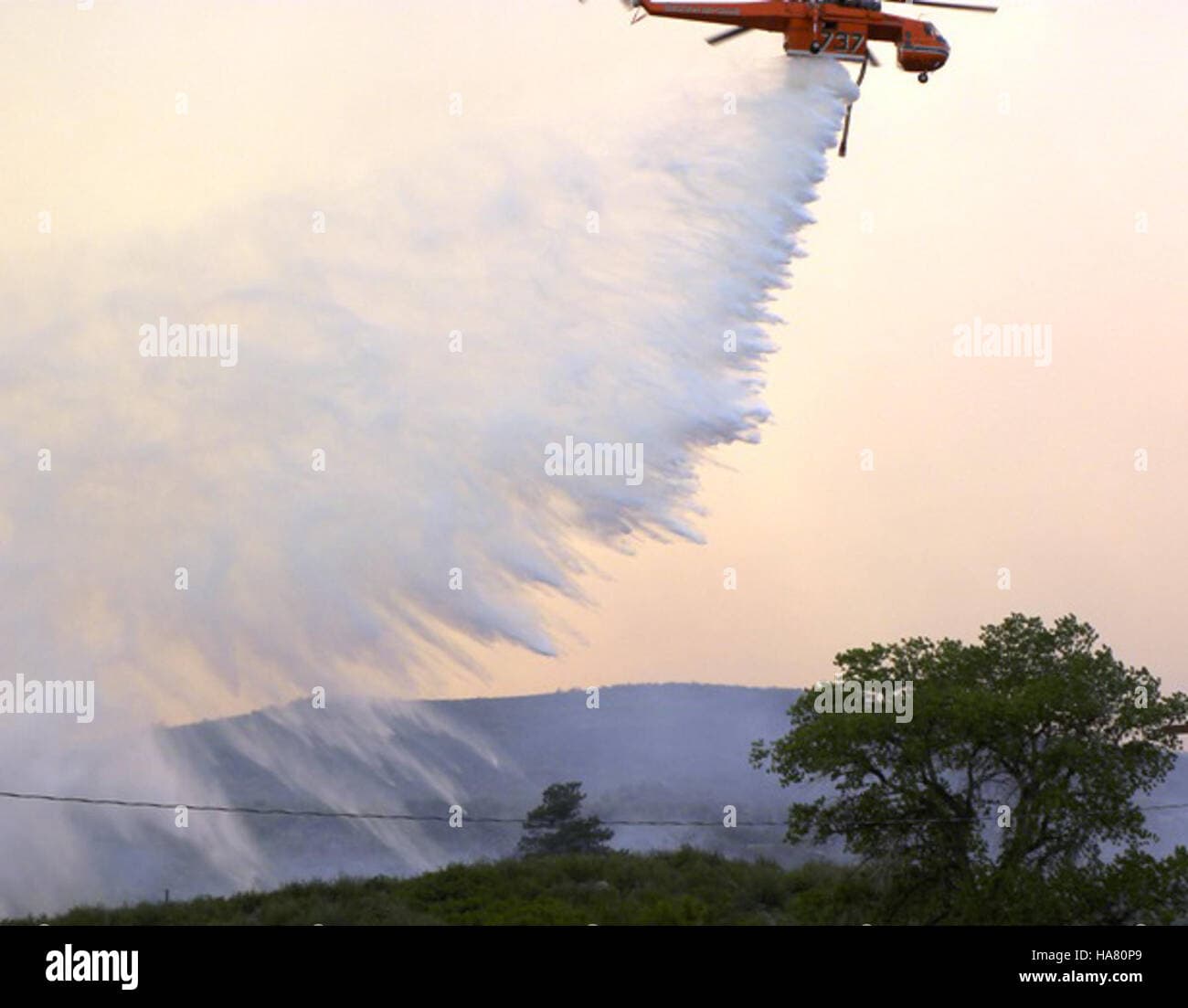
Colorado Parks and Wildlife (CPW) has mobilized a large reseeding effort across western Colorado to help recover wildlife habitat and stabilize watersheds after the brutal 2025 wildfire season that burned more than 265,000 acres statewide.
CPW is concentrating resources on the hardest-hit areas. The Lee Fire, which burned roughly 137,758 acres outside Meeker, is a primary focus; CPW will support a Bureau of Land Management aerial seeding operation in February 2026 that plans to apply about 300,000 pounds of seed across roughly 24,000 acres. Smaller but locally important incidents such as the Elk Fire and the Sowbelly Fire also received rapid on-the-ground work. Portions of Oak Ridge State Wildlife Area burned in the Elk Fire, and CPW completed restoration on more than 860 acres there at a combined cost of about $171,000, with another 200 acres planned for seeding in spring 2026.
CPW is using a mix of programs and infrastructure to move quickly. Local area staff, the Habitat Conservation Team, the Habitat Partnership Program and District Wildlife Officers are coordinating operations and prescriptions. The Escalante State Wildlife Area Seed Warehouse near Delta, built in 2012, has been central to the response. That facility allows CPW to buy seed in bulk when supplies appear, store it under climate-controlled conditions and stage shipments for partners and field crews. More than 341,000 pounds of seed have passed through the warehouse for partners across the state, and an additional 30,000 pounds have been set aside specifically for CPW restoration projects.
Technical input is being funneled through the Habitat Partnership Program. The White River committee, led by District Wildlife Officer Bailey Franklin, provides seed mix recommendations and application prescriptions intended to save land managers time and money by avoiding ineffective generic mixes. CPW’s Habitat Conservation Team began placing seed orders with conservation partners while fires were still burning, helping speed deployment once sites were ready.
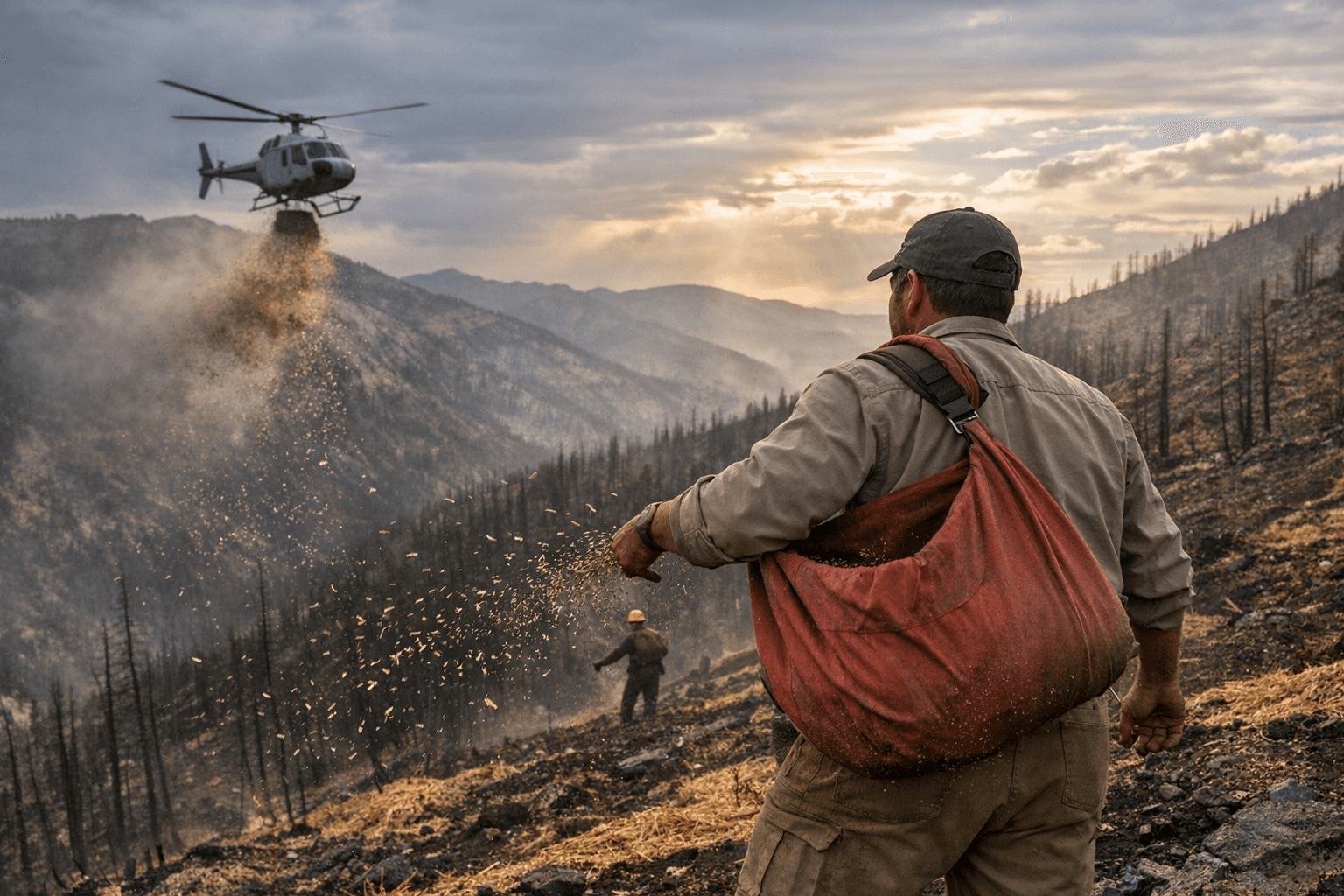
CPW framed the work as targeted triage. Strategic reseeding protects critical mule deer and elk winter range and reduces post-fire risks to watersheds. When fires burn intensely, soils can become hydrophobic and fail to absorb water, increasing flood, erosion and aquatic impacts. Tanya Banulis, CPW habitat coordinator at the Escalante Seed Warehouse, put the challenge bluntly: “We can’t restore every acre impacted by wildfire,” Banulis said. “But having seed on hand and the ability to move quickly helps put thousands of acres on a better trajectory for long-term ecological recovery.”
For visitors and landowners, that means expect to see staged seed drops, marked restoration plots and crews working through spring. CPW is prioritizing sites that deliver the greatest ecological benefit and will continue coordinating with federal partners on large aerial operations and with local committees on seed mixes and application methods as work shifts from emergency response to longer-term recovery.
Know something we missed? Have a correction or additional information?
Submit a Tip