Colorado warns of invasive jumping worms threatening gardens and soil
Colorado confirmed jumping worms in Denver and warned their mustard-seed-sized cocoons can ride in mulch, compost and soil into yards across the West.
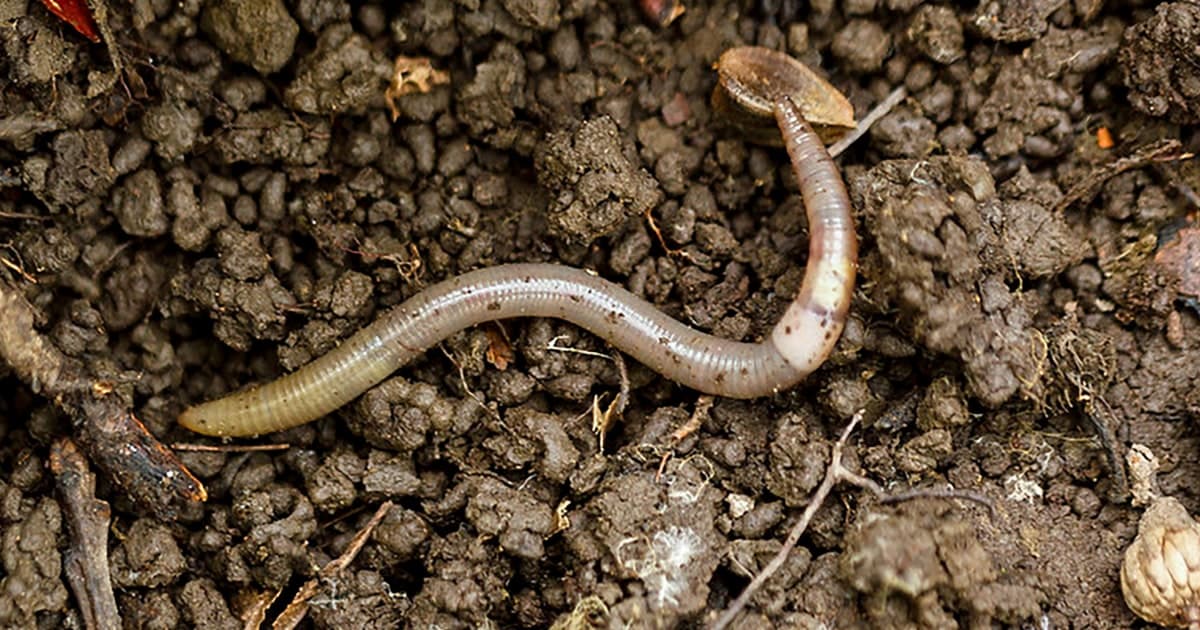
Colorado has confirmed Asian jumping worms in Denver’s Hilltop neighborhood and is warning that the invasive pests are already turning up beyond the city, with reports stretching from Boulder to Castle Rock. The Colorado Department of Agriculture issued a public invasive pest alert on April 21, 2026, as gardening season arrived earlier than usual and the state tried to stop the worms from spreading through everyday yard work.
The worms go by several names, including crazy worm, snake worm and Georgia jumper, and they are native to eastern Asia. The state first confirmed them in Denver’s Hilltop neighborhood in October 2025. Colorado officials said the species is especially hard to stop because there are currently no effective eradication methods, and the worms can reproduce without mating, helping infestations expand quickly once they take hold.
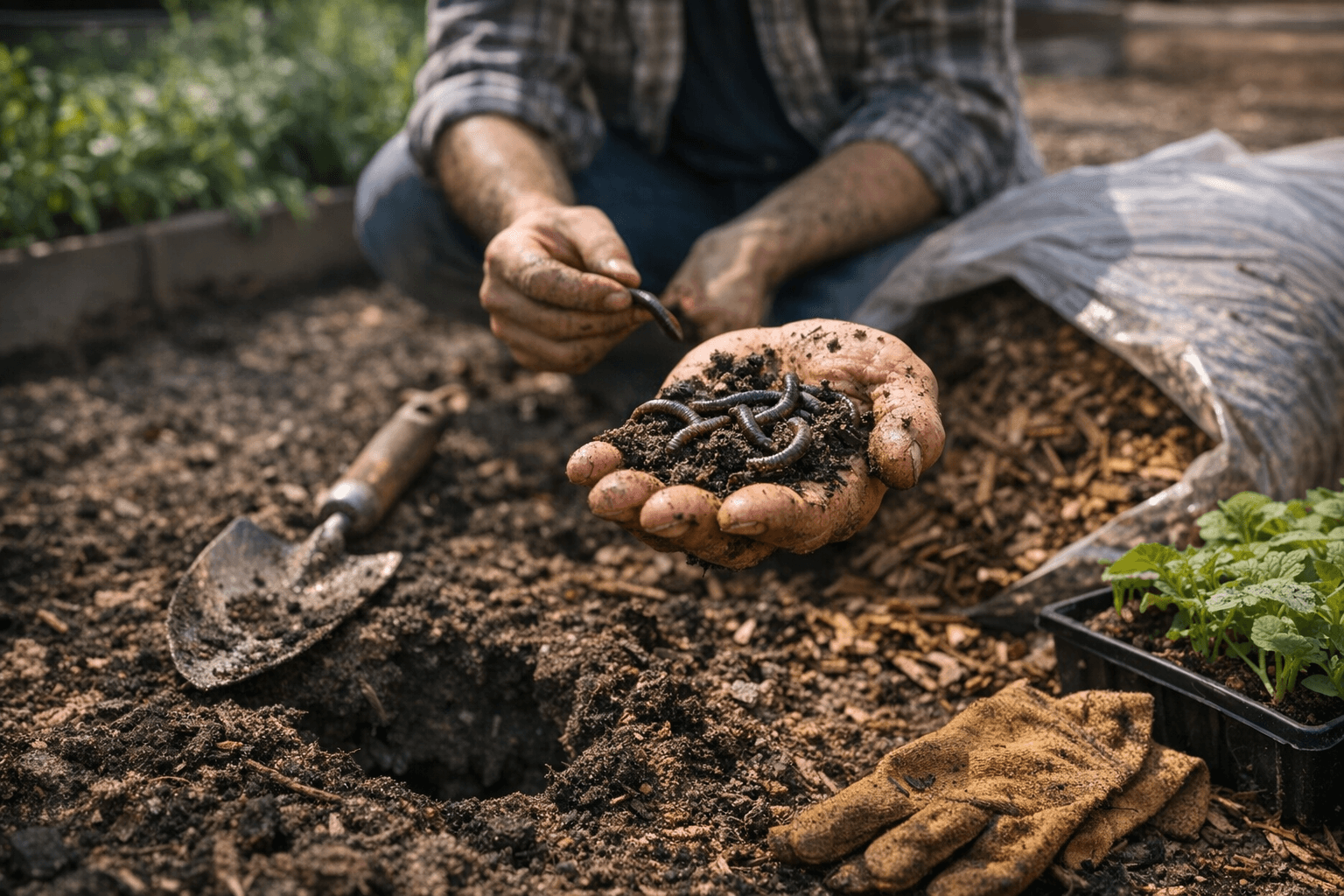
What makes the threat so difficult to see is the life cycle. The worms are annuals, but their cocoons, about the size of a mustard seed, survive the winter and can move easily in soil, mulch, potted plants and on equipment. Colorado guidance says bulk mulch or compost should be heat-treated to at least 130 degrees Fahrenheit for three days by a reputable producer to kill cocoons. Without that step, a load of mulch can become a delivery system for an infestation.
The damage happens at the ground level, where the worms live on the soil surface and rapidly consume organic matter and leaf litter. The Colorado Department of Agriculture says that can degrade soil structure, harm plant roots and accelerate soil drying, creating what officials described as a “nutrient-poor paradox” that can worsen drought stress. That matters far beyond ornamental beds. The worms strip away the top organic layer that supports native plants, wildflowers, forest ecosystems, lawns and landscaped yards.
Wondirad Gebru, director of the CDA Plants Division, said preventing spread is critical to protecting Colorado’s healthy soil and native plants. The agency is urging nurseries, landscaping contractors, landowners, gardeners and other residents to inspect incoming materials, avoid moving soil or compost from suspected infested areas and report sightings through the state’s jumping worm reporting form.
Colorado’s alert also fits into a wider spread. Jumping worms were first confirmed in Wisconsin in 2013, and they have since been reported in states including California, Florida, Maine and Tennessee. For Western states with growing pressure on soil and water, the warning is simple: stop the worms before they get planted.
This article was produced by Prism’s automated news system from verified source data, official records, and press releases, then run through automated quality and moderation checks before publishing. The system is built and supervised by the people who set the standards it runs under. Read our full AI policy.
Did this article answer your question?

