Supreme Court Rules Michigan Can Continue Case Against Line 5 Pipeline
The Supreme Court let Michigan keep pressing its Line 5 case, preserving a fight over a 645-mile oil pipeline that crosses the Straits of Mackinac.
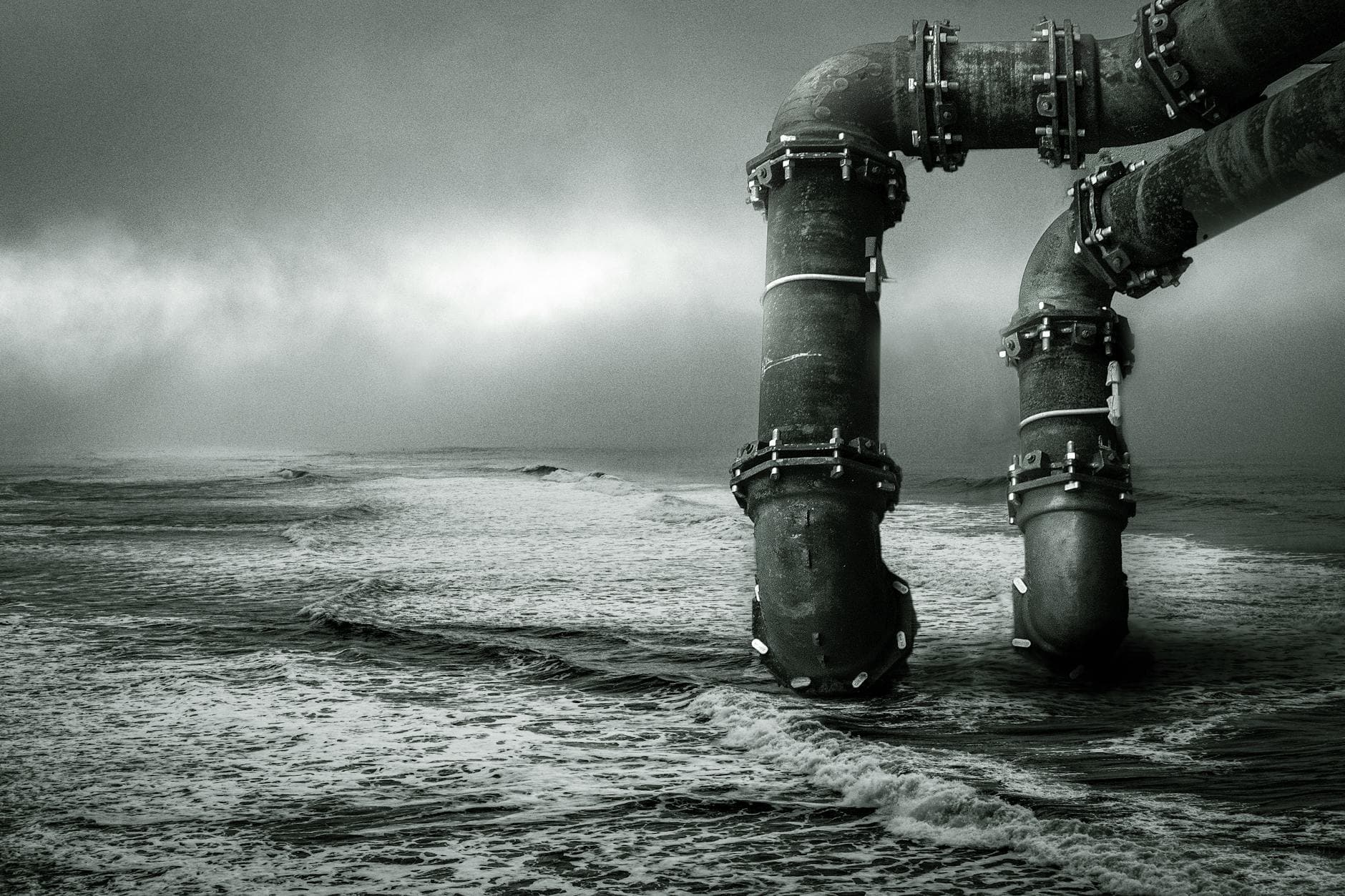
The Supreme Court’s unanimous ruling kept Michigan’s Line 5 fight alive, clearing the way for state court to decide whether Enbridge Energy can keep operating the 4-mile segment that cuts through the Straits of Mackinac under a 1953 easement.
The justices ruled 9-0 on April 22, 2026, that Enbridge waited too long to move the case out of state court. Michigan Attorney General Dana Nessel filed the lawsuit on June 27, 2019, and Enbridge did not seek federal review until December 15, 2021, 887 days after receiving the complaint, far beyond the 30-day deadline in federal law.
At stake is more than a courtroom dispute. Line 5 is a 645-mile petroleum pipeline that Michigan officials say threatens one of the nation’s most sensitive waterways, where strong currents in the Straits could spread an oil spill through Lakes Michigan and Huron. State officials have pointed to the 2010 rupture of another Enbridge pipeline near Marshall, Michigan, which the state says caused the largest inland oil spill in U.S. history, as a warning about the risks of aging infrastructure.
The pipeline has already been at the center of emergency court action. In June 2020, after Enbridge disclosed that both Straits pipelines had been struck by cables or other objects and that a support structure had been damaged, a Michigan court granted temporary and preliminary injunctions. Five months later, Gov. Gretchen Whitmer and the director of the Michigan Department of Natural Resources issued a notice revoking the easement.
The legal and regulatory battle has continued alongside Enbridge’s separate bid to replace the Straits segment with a tunnel. Michigan regulators approved that project in December 2023, and Enbridge is still seeking permits, including state water-resource approvals and federal review by the U.S. Army Corps of Engineers. California, Minnesota and Wisconsin filed an amicus brief supporting Michigan’s authority to protect waters and submerged lands, underscoring how far the consequences of a spill could reach across the Great Lakes region.
Nessel said the ruling made clear the case belongs in state court and vowed to keep fighting to protect the Great Lakes from a catastrophic spill. For Michigan, the decision does not settle Line 5’s future; it keeps open a high-stakes contest over energy reliability, environmental risk and who gets to decide the fate of a pipeline running through a critical freshwater corridor.
This article was produced by Prism’s automated news system from verified source data, official records, and press releases, then run through automated quality and moderation checks before publishing. The system is built and supervised by the people who set the standards it runs under. Read our full AI policy.
Did this article answer your question?

