Colorectal Cancer Now Leading Cause of Cancer Death in Americans Under 50
Colorectal cancer killed more Americans under 50 than any other cancer in 2023, seven years ahead of projections, as three-quarters of young patients are diagnosed at advanced stages.
Becca Lynch was 29 years old, working in cybersecurity in Denver, when she received a diagnosis of advanced colon cancer. She had been dismissing her symptoms for weeks. "I chalked it up to stress," she said. She now describes those symptoms in deliberate detail to anyone who will listen, not for the sake of oversharing, but because a woman named Costley, who inspired Lynch to get checked in the first place, later died of the same cancer after assuming she probably had hemorrhoids and "ignored it."
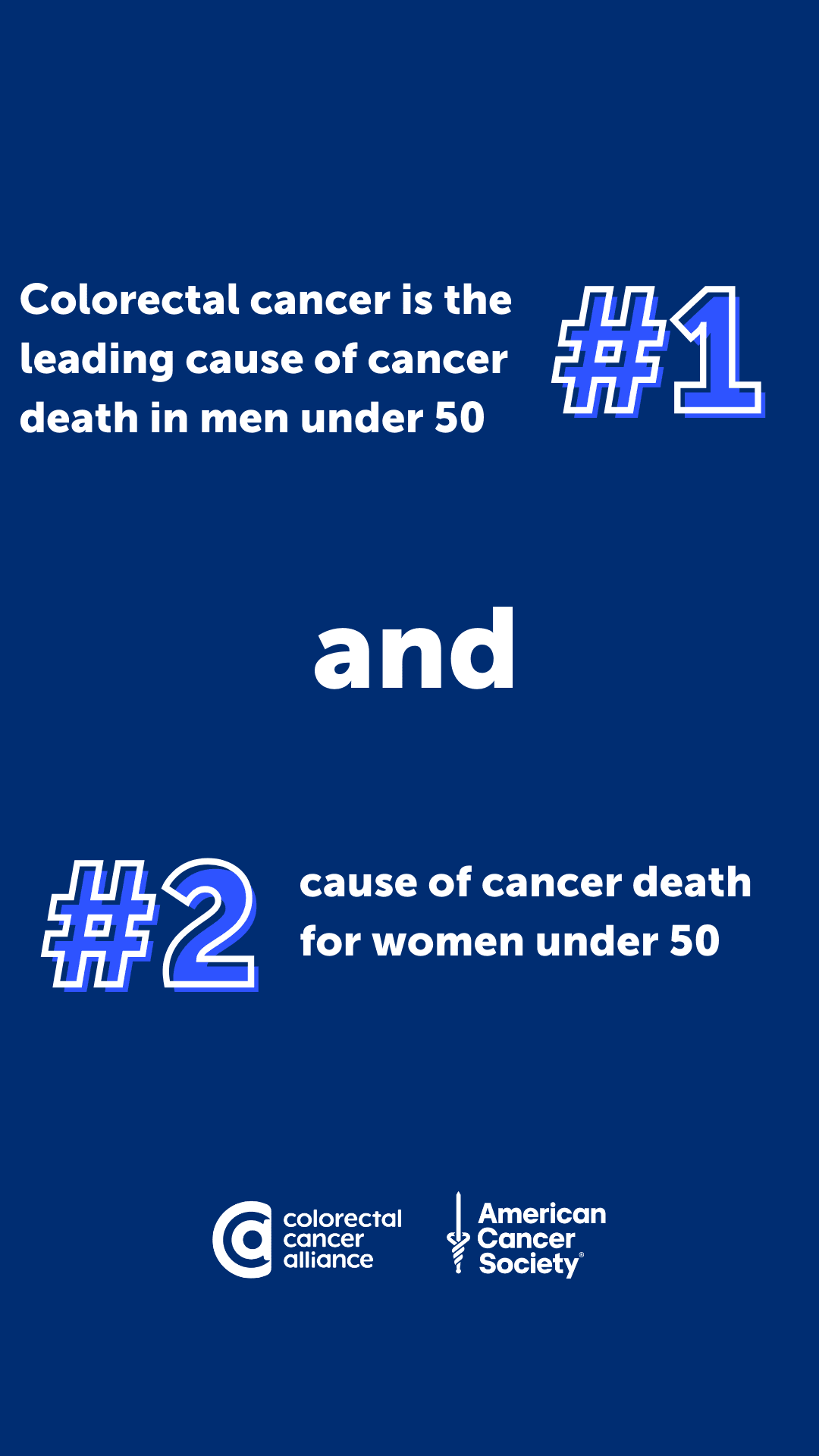
Colorectal cancer has surpassed every other cancer type to become the leading cause of cancer deaths among people under 50 in the United States, as of 2023, according to new research published in January in JAMA. Deaths from colon and rectal cancers in the under-50 age group rose by 1.1% annually since 2005, propelling colorectal cancer from the fifth most common cause of cancer deaths among people younger than 50 in the early 1990s to the top cause in 2023.
The shift arrived with striking speed. While most colorectal cancer cases still occur in people older than 50, the number of people being diagnosed with the disease in their 20s, 30s or 40s has been climbing dramatically in the last few decades. Researchers had previously projected that colorectal cancer would claim the top spot for cancer deaths in people under 50 by 2030. The results showed that 1,267,520 people died from cancer in the United States before age 50 from 1990 through 2023, and the overall death rate decreased by 44% during that time period. Colorectal cancer was the sole exception to that progress.
Among the five leading causes of cancer death in people under 50, the average annual decline in deaths from 2014 through 2023 was 0.3% for brain cancer, 1.4% for breast cancer, 2.3% for leukemia, and 5.7% for lung cancer. Colorectal cancer moved the other direction entirely. "It is absolutely an outlier," said Rebecca Siegel, senior scientific director of surveillance research at the American Cancer Society, who led the study.
"We weren't expecting colorectal cancer to rise to this level so quickly, but now it is clear that this can no longer be called an old person's disease," said senior author Dr. Ahmedin Jemal, senior vice president of surveillance, prevention and health services research at the American Cancer Society. "We must double down on research to pinpoint what is driving this tsunami of cancer in generations born since 1950."
The reasons remain poorly understood. Research suggests that rising rates of obesity and declining physical activity, changes in the gut microbiome, and diets high in ultraprocessed foods, which have become more common since the 1980s, could be to blame. Mark Reeves, MD, director of the Loma Linda University Cancer Center, pointed to the scale of the behavioral shift. "When we look at this epidemiologically, the increase is almost certainly due to environmental causes," he said. "We're seeing a huge rise in obesity, sedentary lifestyles, and consumption of processed foods and red meat." He noted that genetics still matter, "especially in younger patients," but added: "The scale of obesity and inactivity we're seeing in young people today is something we simply didn't have 50 years ago."

The birth cohort data make the generational dimension concrete. People born around 1990 carry twice the risk of colon cancer and four times the risk of rectal cancer compared with those born around 1950, according to Intermountain Health gastroenterology nurse practitioner Emily Van Komen. The consequences of that elevated risk are being compounded by late detection: around three-quarters of people under 50 already have advanced colorectal cancer when they are diagnosed, Siegel said, "because they haven't been screened through regular colonoscopies, and they don't take their symptoms seriously, because they think they're too young."
Many younger patients who notice rectal bleeding search online and find hemorrhoids listed as the most likely explanation, which delays care. Lynch's experience, and Costley's death, illustrate precisely that pattern.
Only 37% of adults ages 45 to 49 are up-to-date for their colorectal cancer screening, Jemal noted, a gap that carries direct consequences given that people in that age range account for half of all colorectal cancer deaths in the under-50 group. Van Komen was direct about what that means clinically: "When colon cancer isn't found until late stages, the survival rate drops dramatically. Colonoscopies save lives." She also noted that "about 75% of colon cancers occur in people with no family history, meaning most people who develop this cancer did not know they were at risk."
For those who do have a family history, a clinician identified in KSL reporting only as Merriman urged action: "We all need to talk to our family members about any family history of colon cancer, polyps, ulcerative colitis, or Crohn's disease. If you have any of those in your family history, you may be at higher risk for colon cancer. Talk to your doctor about getting screened earlier than age 45."
The findings landed in the same month that participants gathered on the National Mall in Washington, D.C., on March 1, 2026, for a public health event organized by Fight Colorectal Cancer to raise awareness about the disease's rise in younger adults. March is Colon Cancer Awareness Month, and the new data have given it an urgency that earlier projections did not capture. Reeves put the reversal plainly: "Cancer mortality overall has gone down about 35% over the last 30 years. But in the under-50 population, colorectal cancer is one where mortality has not declined at the same rate. It has now overtaken breast cancer as the biggest killer of people under 50 in the United States.
This article was produced by Prism’s automated news system from verified source data, official records, and press releases, then run through automated quality and moderation checks before publishing. The system is built and supervised by the people who set the standards it runs under. Read our full AI policy.
Did this article answer your question?