Community Clothing Swaps in Omaha Circulate Garments Locally and Reduce Waste
Swap Omaha’s pop-ups in Dundee and Benson circulate vintage finds like suede vests, and organizers say "you’re not gonna spend any more than a dollar on one item."
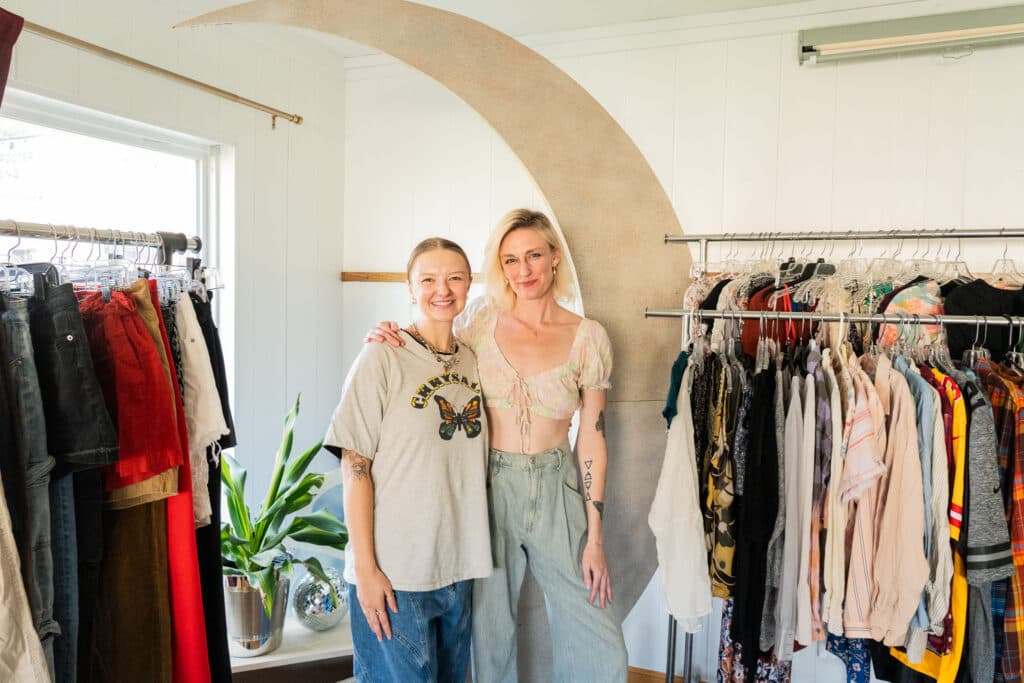
Our swappers bring in some of the most amazing pieces I’ve ever seen, like vintage dresses, I mean, this beautiful suede vest. You’re not gonna spend any more than a dollar on one item. So that’s amazing," said Bates, an organizer with Swap Omaha, describing the grassroots events that keep garments circulating locally and slice at overconsumption.
In a world where shoppers can click for instant replacements, Swap Omaha positions itself as a neighborhood antidote to fast fashion. Organizers present the gatherings as part clothing market, part classroom - the sustainability education piece is a core component of Swap Omaha events - inviting people to slow down and thoughtfully curate their closets while finding low-cost, distinctive pieces.
Organizers outlined two broad approaches to swapping: free, open community swaps versus "a one-for-one model with a modest pe"—the phrase ends there in the summary. The reporting from Swap Omaha’s events offers a concrete example of modest pricing: at some pop-ups Bates noted a one-dollar cap per item, though the quote does not establish that every event uses that exact rule.
Operationally, Swap Omaha runs neighborhood pop-ups and tailors selections to locale. Bates described pop-ups in Dundee and Benson, saying, "First, we go through all of it, see if it’s still good quality." She explained the team tries to match styles to neighborhood preferences—"When we do pop-ups in Dundee versus pop-ups in Benson, we kind of have figured out which area of town gravitates towards certain styles. Sometimes we are terribly wrong, but we pull all of that clothing to keep in circulation to put back out of our swaps and then the rest we donate to local nonprofits."
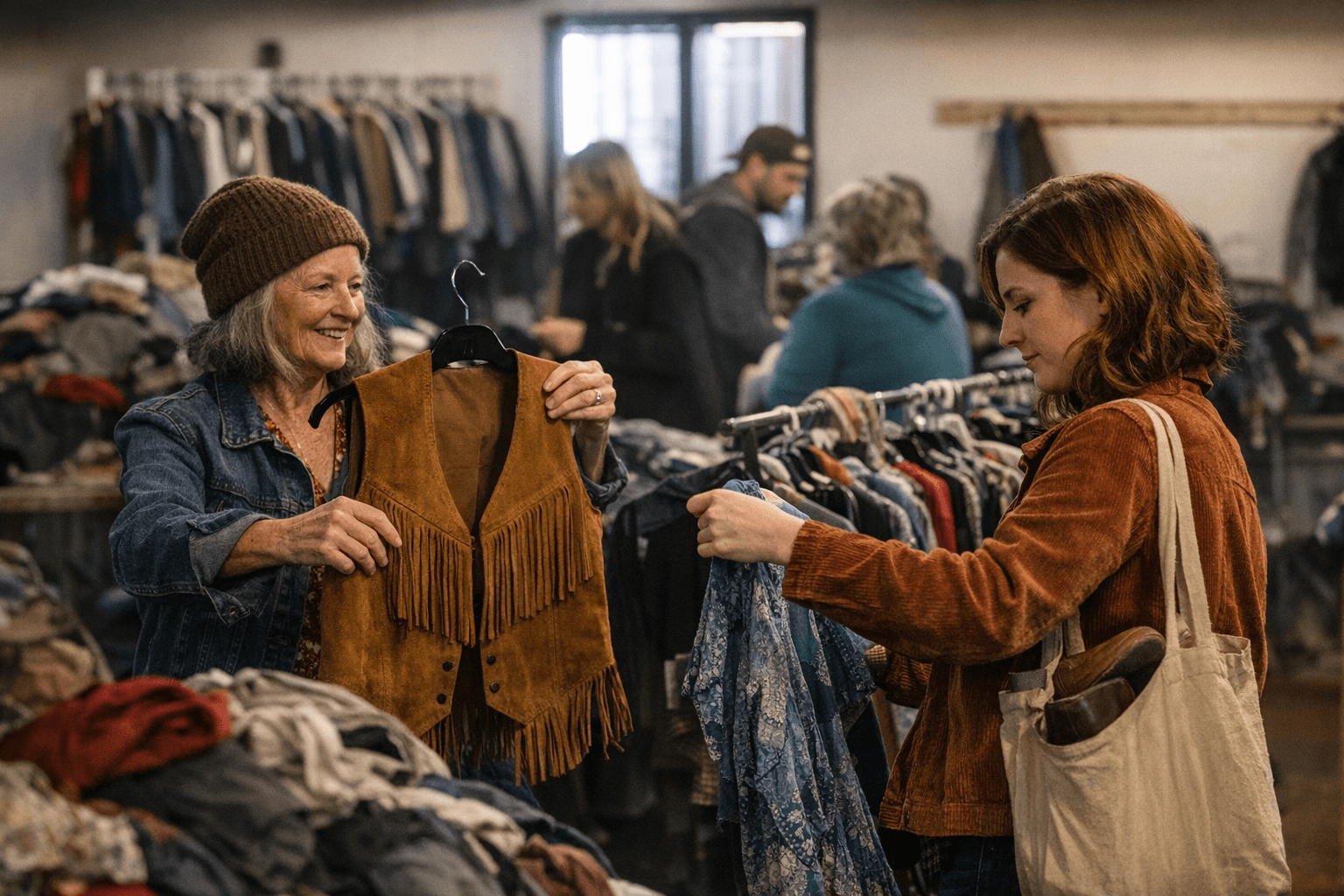
Bates and her fellow organizers bring fashion-industry experience to the project and say they launched Swap Omaha to combat waste while making donating and discovering textiles fun and accessible. The swaps serve emotional as well as practical reuse: "We all have those items that we really liked, but we’ve, you know, outgrown them either physically or emotionally or whatever, but they still deserve a good home," Bates said, framing the movement as rescue work for garments and memories.
The benefits Swap Omaha claims are local recirculation of clothing, low-cost access to vintage and one-of-a-kind pieces, and an outlet for leftovers via donation. The reporting does not include participant counts, annual swap totals, or weight diverted from landfill; organizers have not published hard metrics for number of events, items exchanged, or nonprofit partners in the material reviewed here.
What matters next is measurement and scale: neighborhood-tailored pop-ups in Dundee and Benson demonstrate a replicable model, but to quantify climate or waste impact Swap Omaha and peer groups will need to track item counts, event frequency, and named donation partners. For now the work is tactile and visible - suede vests change hands, boxes are sorted for quality, and the community keeps garments moving rather than letting them go to waste.
Know something we missed? Have a correction or additional information?
Submit a Tip