Community rallies to aid Newburgh firefighter injured on Turnpike
A Newburgh firefighter was seriously injured in a Jan. 3 wrong-way crash; community fundraising is helping cover medical and living expenses during his long recovery.
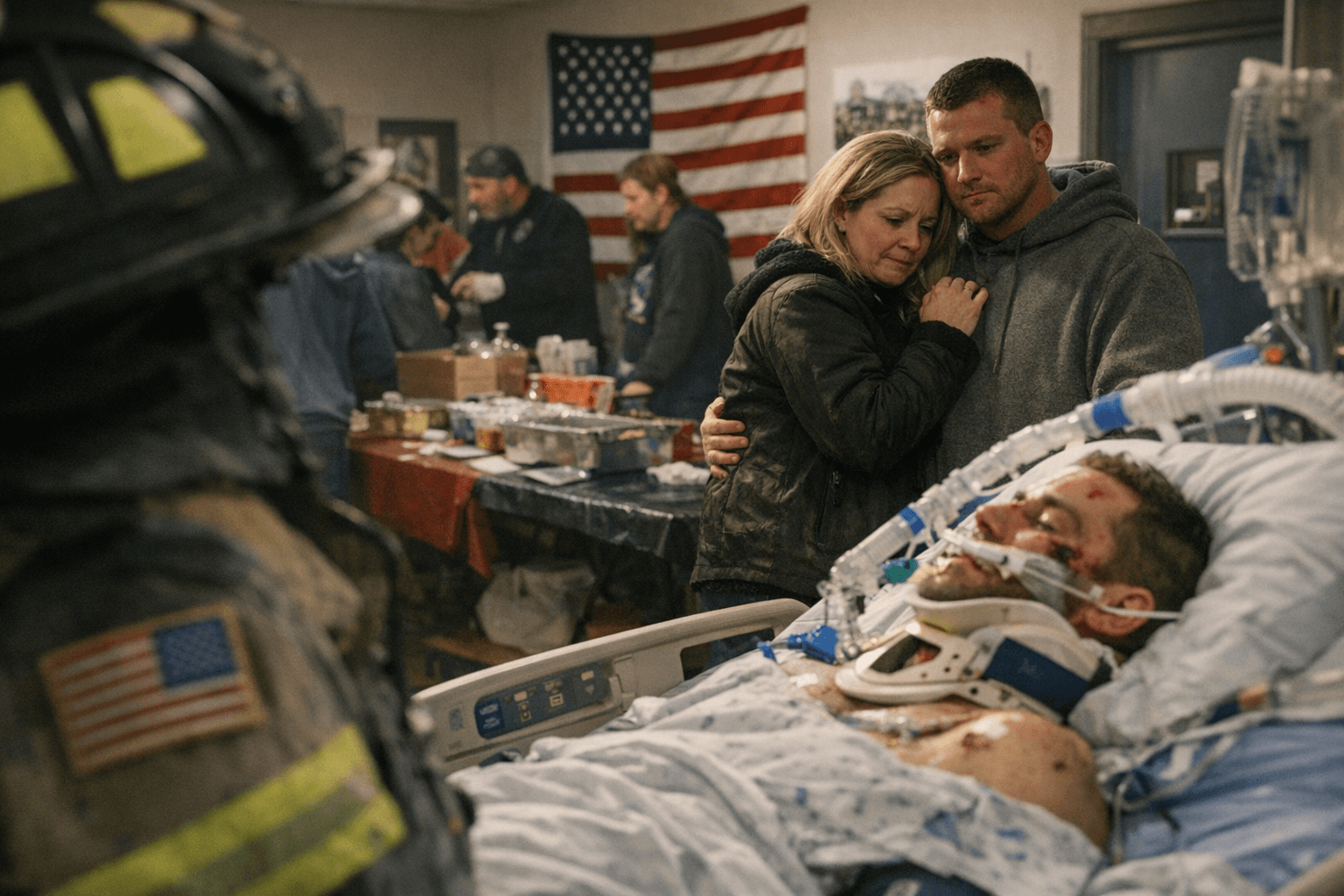
Newburgh-area firefighter Guillermo Mollins was seriously injured on Jan. 3 when a wrong-way driver struck his vehicle on the New Jersey Turnpike. The other driver died in the crash; Mollins survived but faces multiple surgeries and an extended recovery that will strain his finances and family life.
Friends and neighbors organized a GoFundMe titled "Standing with Our Injured Firefighter" to help cover medical bills and living expenses for Mollins and his 10-year-old son. As of midday Jan. 14 the fundraiser had raised roughly $33,000 toward a $50,000 goal. Organizers say the drive reflects immediate community concern for a U.S. Army veteran and an on-duty public safety worker now sidelined by injury.
Mollins’ limited sick-leave availability has intensified the need for outside support. When first responders exhaust accrued sick time, gaps often open between short-term income replacement and longer-term disability or workers’ compensation benefits. Those gaps can leave families responsible for mortgage, utilities, child care and unreimbursed medical costs while navigating hospital stays, surgeries and rehabilitation.
The case highlights broader policy and institutional questions for Orange County and municipal leaders. Collective bargaining agreements, municipal personnel policies and local budgetary decisions determine sick-leave accrual, short-term disability provisions and supplemental pay for injured on-duty employees. Where agreements and budgets fall short, unpaid leave or delayed benefits can push recovery costs onto community fundraisers.
Local government and union leaders have levers to reduce such gaps, including negotiating expanded sick-leave accruals, establishing emergency relief funds for injured employees, or setting aside contingency funds within public safety budgets. Veterans’ benefits and state workers’ compensation programs also play roles in covering long-term medical needs, but navigating those systems can be slow and complex for families in acute crisis.
For residents, the immediate impact is both human and civic. Mollins’ injury removes an experienced firefighter from readiness at a time when staffing and response capacity remain central concerns for shrinking municipal budgets and evolving public-safety priorities. The community response has been swift, demonstrating social solidarity; it also signals to elected officials and chiefs that policy gaps produce tangible local costs.
What comes next will matter for Mollins and for Orange County policy debates. Short-term, community donations will help bridge immediate bills. Longer-term, municipal leaders, unions and veterans service organizations may face renewed pressure to review sick-leave policies, emergency support mechanisms and coordination with state benefit programs so that the next injured responder does not rely principally on a crowdfunding campaign.
Sources:
Know something we missed? Have a correction or additional information?
Submit a Tip