Compact Tiny House Reimagines Minimalism with Layered Materials and Flexible Interiors
autoevolution spotlights a recently completed compact tiny house on wheels that “achieves a fresh take on minimalism through layered materials and flexible interior elements.”
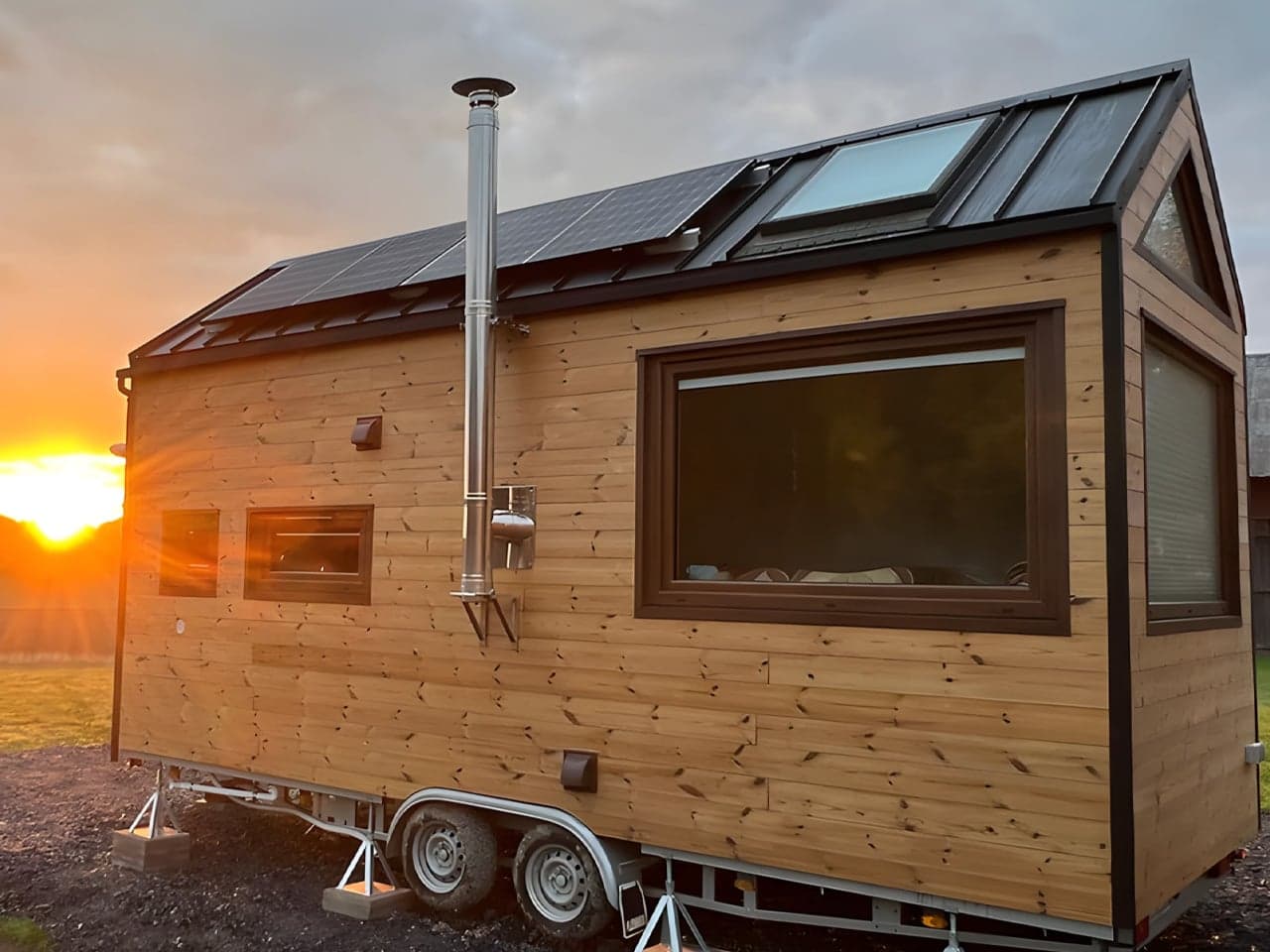
autoevolution profiles a recently completed compact tiny house (on wheels) that “achieves a fresh take on minimalism through layered materials and flexible interior elements.” The same profile, the excerpt notes, “walks through the home’s design choices: a warm, tactile palette, clever built-in storage, a lofted sleep,” presenting the build as an example of minimalism that favors texture and adaptable fittings over stark austerity.
That position sits alongside Park-model-homes’ take that minimalism in tiny living is a matter of degree: “It is up to you just how minimalist you want your tiny home’s design. You could embrace full-on minimalism for a very Spartan look and feel, or you could choose a design with some more traditionally ‘homey’ elements. Either way, the principles of minimalism will be at play in your home design.” Park-model-homes also emphasizes practical necessity in compact builds: “Every square inch of space needs to be put to the best possible use in order for that space to be comfortable and liveable,” and points to “huge windows” and “open layouts” as ways tiny houses build connection with the outdoors and with household routines.
Tinyhouseplans supplies the actionable design language and rules that map directly onto the autoevolution profile. The site defines the approach this way: “Minimalism is more than simply reducing the number of owned items, it is a design ethos focused on clarity, simplicity, and intentionality. When you live in a tiny home (generally less than 400 square feet of space), minimalism is not only necessary for living with a modicum of comfort and order, but it is also crucial for your peace of mind.” Tinyhouseplans lists “Clean lines and open spaces,” “Neutral or muted color palettes,” “Multi-functional furniture,” “Enhanced natural light and removed visual noise,” and “Compact use of space and materials” as core elements, and gives specific lighting tactics: “Position mirrors across from windows to double the light, bounce it around the room, and create a reflection,” “Opt for sheer or minimal covering on your windows,” and “Create layered lighting: ambient, task, and overhead.”
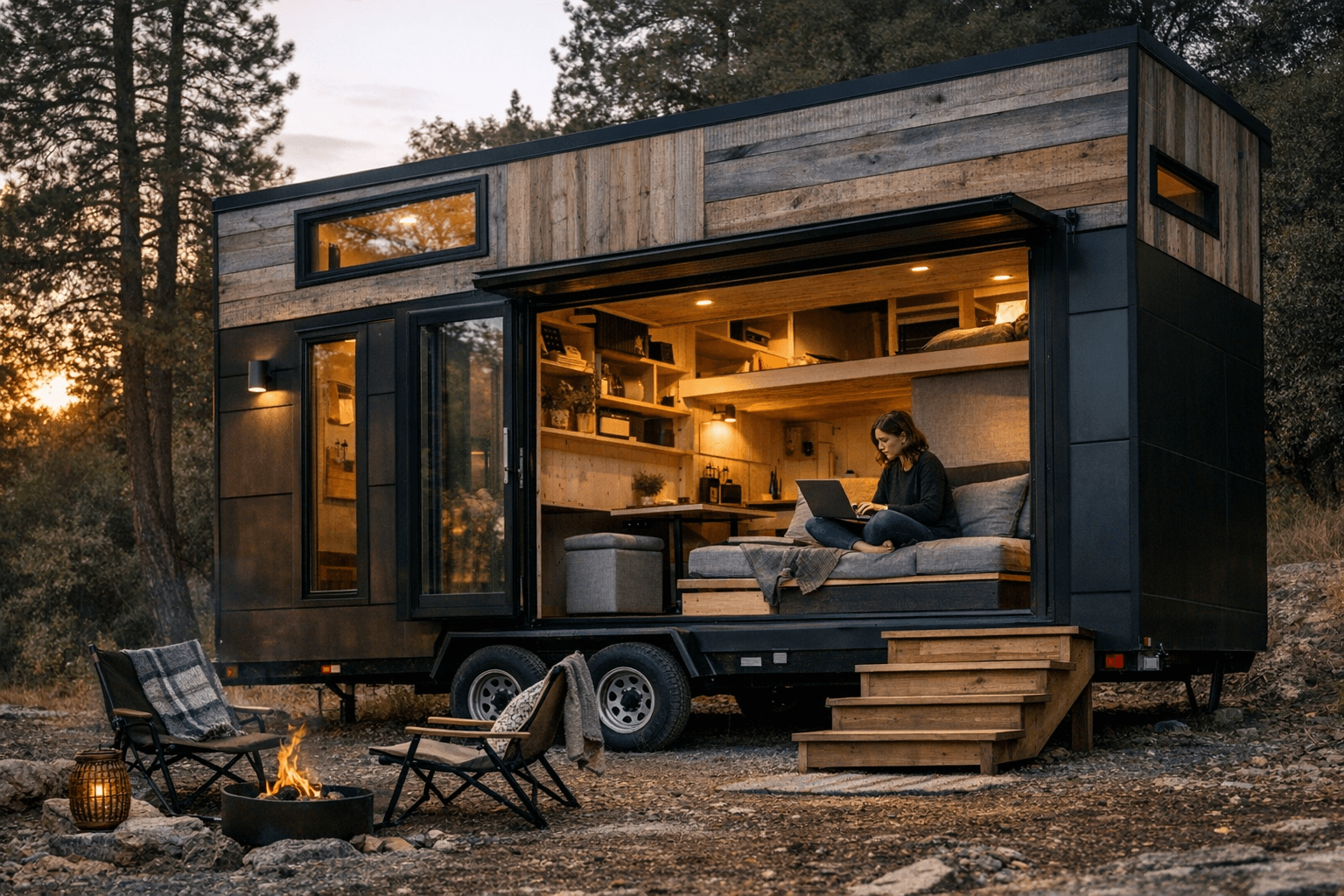
The lifestyle side of the equation appears in Tiny-project’s first-person reflections, which root minimalism in anti-consumerist practice and daily habits. The author writes, “Even before my tiny house journey began I was always somewhat anti-consumerist. I never understood people's obsession with stuff, especially cheap plastic crap, or super expensive name brand items that served no purpose other than to show off wealth.” That posture translates into practical discipline: “Once you've pared down to what you know can fit in your tiny house, you don't have much of a choice: when you buy something new, you must get rid of something old to make space.” Tiny-project urges applying the same principle beyond possessions: “Think about this principle as applied to things other than material possessions… Drop what's no longer useful or enjoyable and feel the freedom of simplicity in all areas of life!” and cautions that “whatever reason, people you know and society at large may criticize you for taking a different path. Only you know what works for you and what truly makes you happy.”
Taken together, the coverage shows a practical path for readers: the autoevolution profile illustrates a compact, mobile build that privileges layered materials and adaptable fittings; Park-model-homes frames the choice between Spartan minimalism and “homey” warmth; Tinyhouseplans supplies the “less than 400 square feet” design checklist and lighting tactics; and Tiny-project supplies the daily rules such as “one in, one out.” As Tinyhouseplans puts it succinctly, “It’s not sterile or cold to be like this, it’s warm, functional, and personalized to your lifestyle,” a conclusion that the featured tiny house appears to embody.
Know something we missed? Have a correction or additional information?
Submit a Tip

