Comprehensive Labubu Collector's Guide: Practical Steps and Trusted Community Hubs
Labubu's buzz has cooled and resale prices have slipped, prioritize buying from Pop Mart and vetted community hubs, and use resale spreads and production signals to decide whether to hold or sell.
1. Market snapshot: what cooled and why it matters
The Labubu craze has visibly cooled; resale prices have dropped and Pop Mart's market response showed investor nerves. That matters because the biggest short-term risk for collectors now is overpaying to chase old peak markups, when resale spreads shrink, late buyers are the ones left holding inventory that no longer commands former premiums. Think of this as a shift from a speculative sprint to longer-term collecting: volume matters more than hype.
2. Decide your collector stance: trader, keeper, or hobbyist
Name your objective before you buy. If you’re trading for short-term profit, you must be prepared for narrower resale margins and intermittent demand; if you’re keeping Labubu for your shelf, prioritize condition and provenance over chasing a “rare” print that only mattered during the peak. That distinction will change everything you do next, how much you pay, where you buy, and which community sources you trust.
3. Where to buy: prioritize Pop Mart and authorized channels
Pop Mart is still the origin point for authentic Labubu drops; buying from Pop Mart stores or official retail partners lowers your authentication risk and prevents inflated reseller premiums. When supply-side noise kicks up (limited runs, event exclusives), controlled retail channels are the safest way to get official pieces without supporting speculative resellers who now face softer demand.
4. How to read pricing: resale spreads and what they signal
Track the delta between Pop Mart retail and secondary market prices, when resale spreads compress, that’s a clear signal the frenzy has cooled and liquidity is thinner. Don’t rely on anecdotal listings: watch the realized-sale prices on auction platforms and compare multiple recent transactions before assuming a price level holds. A collapsing spread means your flip margin evaporates; a stable or rising spread suggests a niche demand that could be banked on.
5. Spotting reliable runs and production shifts
Production changes, shorter runs, regional exclusives, or reissues, are the levers that drive scarcity myths and real scarcity. Pay attention to official Pop Mart announcements and community confirmations about reissues; a confirmed reissue can eliminate the "rare" premium overnight. If you see rumors of production shifts, wait for official confirmation or multiple independent corroborations in trusted hubs before acting.
6. Authentication and condition: exact checks to use
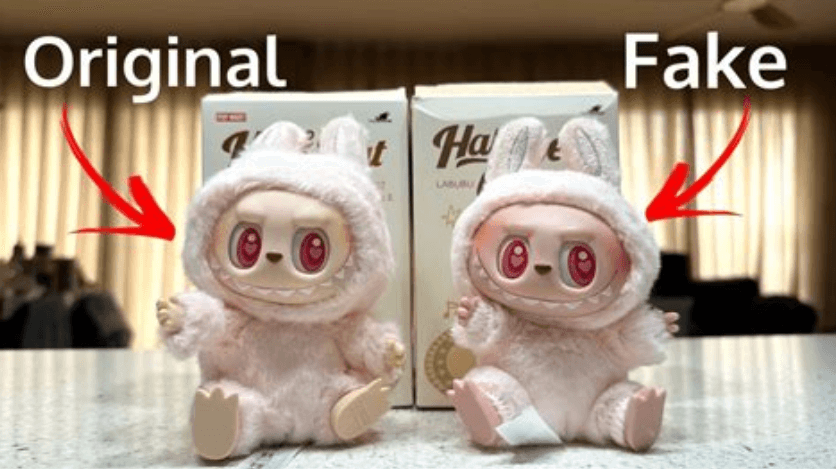
Authentication starts with the box and factory seals, inspect packaging, heat stamps, and the exact labelling used by Pop Mart on current releases to spot suspect units. For condition, photograph corners, joints, and any factory paint variations; these images are what prove value on resale platforms. If you can, compare against an authenticated reference from a trusted collector hub before listing or committing to a purchase.
7. Trusted community hubs: where to verify, trade, and learn
Lean on official Pop Mart channels first, then on long-standing collector Discords, subreddits, and regional meetups to cross-check claims and prices, these community hubs surface real transaction history and on-the-ground intel faster than single listings. Vet any hub by checking how long it’s been active, the number of verified sellers, and whether moderators enforce proof-for-listings; hubs that tolerate unverifiable claims are where bad buys happen.
8. Selling strategy in a cooled market
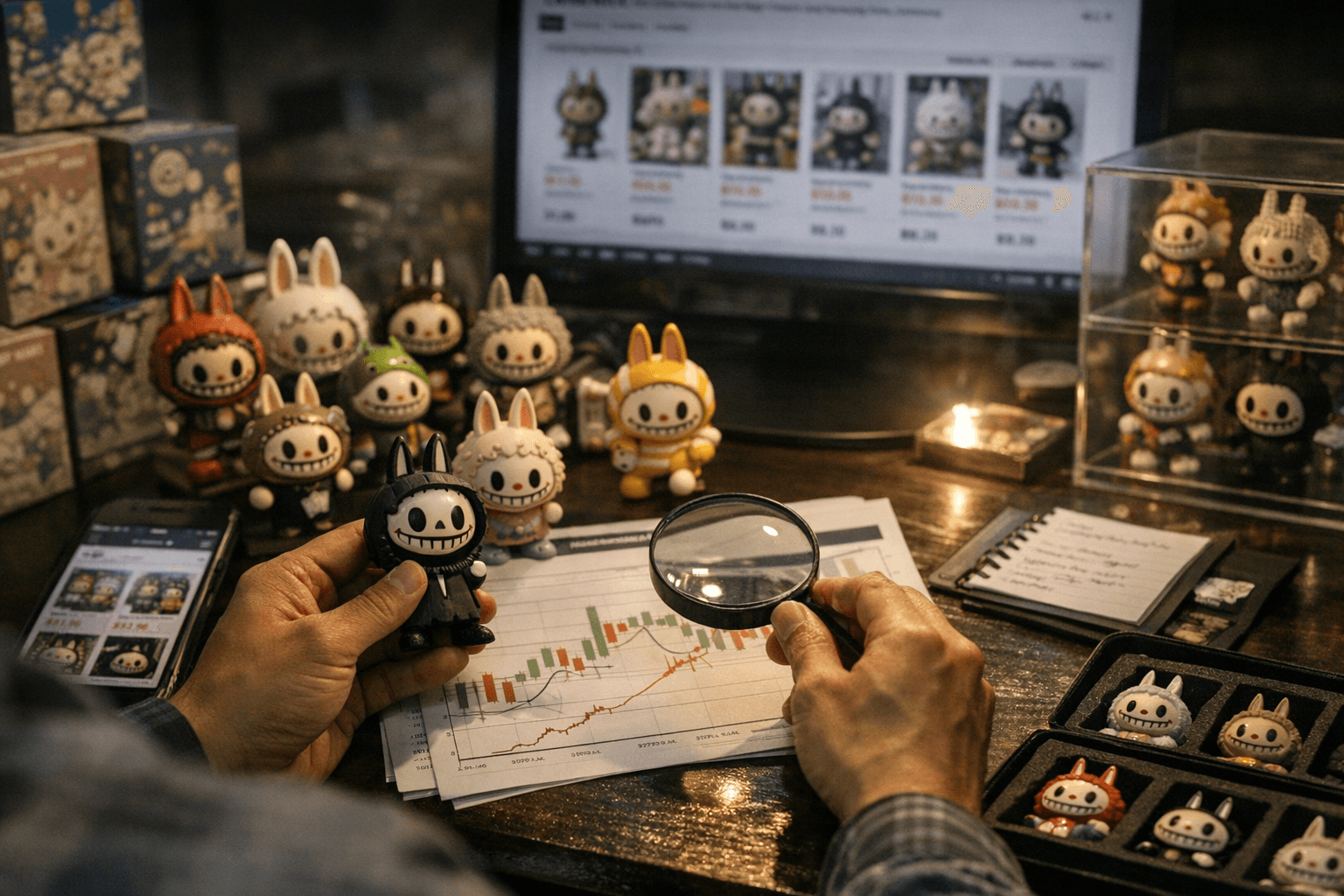
If you need liquidity, phase sales rather than dumping your entire lot, list one or two pieces, watch what actually sells, and use that price to set expectations for the rest. Be transparent about condition and provenance in listings; in softer markets, buyers reward clarity and return fewer disputes, which preserves reputation and access to repeat buyers in tight-knit communities.
9. Making posts that travel: the Mirumi lesson
When you share finds or listings, frame them as a story, Mirumi coverage succeeded by pitching a successor charm angle rather than listing features. Remember the engagement stat: 100% of readers only view without sharing, so give people a clear, emotional hook (a before/after, a surprising turnaround, a community connection) if you want your posts to travel beyond passive eyeballs. A good post can create demand; a dry spec sheet won't.
10. Practical long-term care and display
Store Labubu figures away from direct sunlight and in low-humidity spots to prevent color fade and warping; acid-free backing and UV-filtered display cases are worth the cost if you care about collector-grade preservation. Rotate pieces out of display periodically so seals and plastics don’t stick together; for event variants, keep original inserts and receipts together in a single archival sleeve to preserve provenance.
11. Negotiation tactics and fair dealing
When negotiating with resellers, use recent realized sale prices, not ask prices, as your bargaining floor and state your intent clearly, are you walking away or flexible? In a market with softer demand, sellers can be open to bundles or trades; offering a clean trade plus cash is often more attractive than a lowball cash bid.
12. Final takeaway and next steps
Labubu’s market has moved from fever pitch to a more measured phase; that means less frantic flipping and more selective buying, vetting, and community-backed deals. Prioritize Pop Mart and vetted hubs, watch resale spreads to time moves, and tell better stories when you post, collectors who act like careful curators instead of speculators will come out ahead as the market stabilizes.
Know something we missed? Have a correction or additional information?
Submit a Tip