Conflict and fear mute campaigns, junta tightens grip ahead of vote
As Myanmar begins a general election today, campaigning has been unusually muted amid a nationwide civil war and a worsening humanitarian crisis, raising doubts about turnout and legitimacy. With the military junta controlling security and the Union Solidarity and Development Party most visible on the streets, international condemnation has intensified and economic and diplomatic isolation risks deepening.
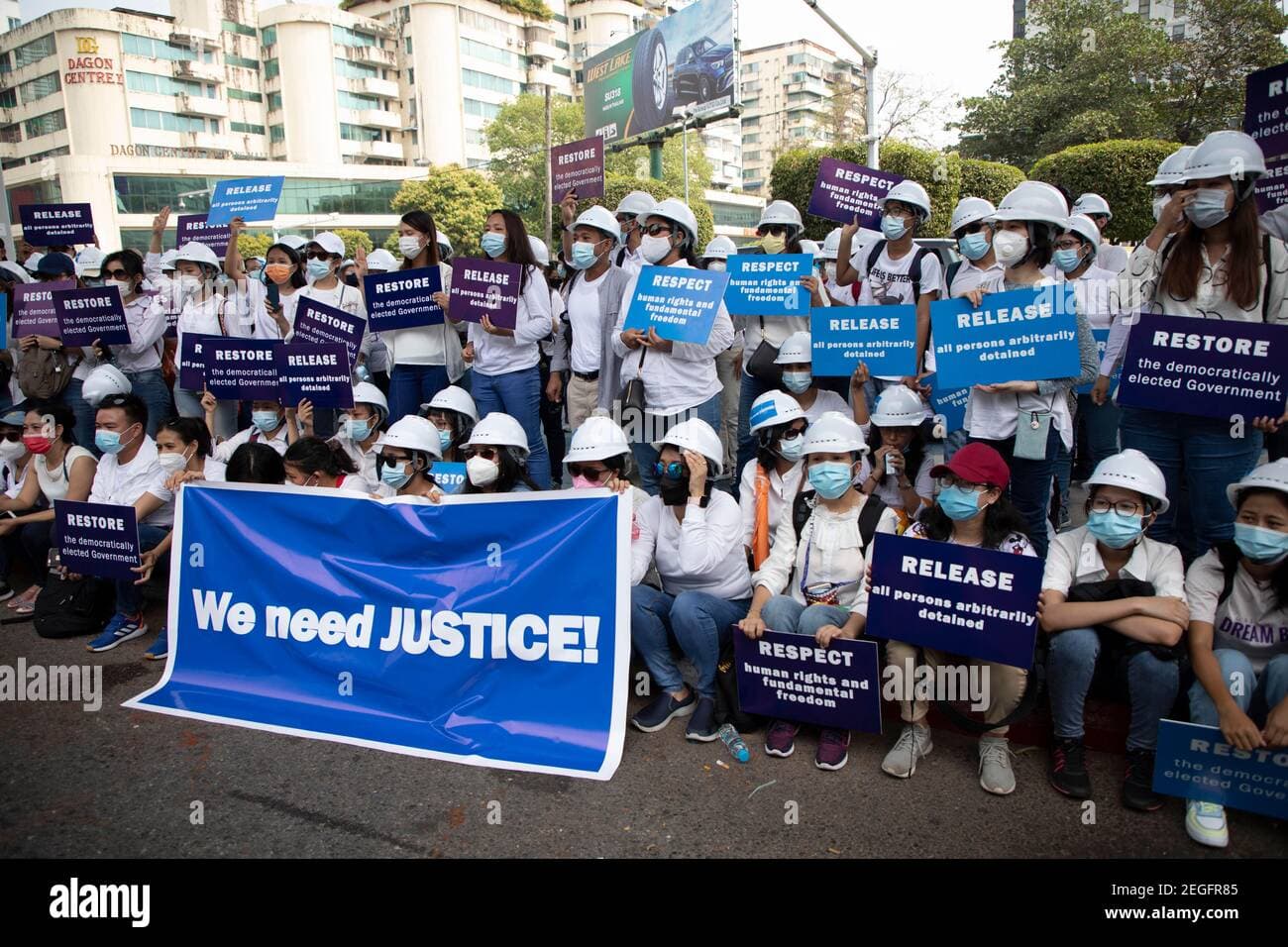
Myanmar moved into a tense electoral opening as the general election began today, with campaigning sharply subdued and the military junta tightening control over the political landscape. The quiet on the streets of Yangon and other cities has stood in stark contrast to the noisy rallies and roadshows that once marked national ballots, a change voters and residents traced to the security operations and movement restrictions imposed across the country.
An independent photograph by the European Pressphoto Agency showed electoral officers counting early voting ballots in Yangon on Dec 26, evidence that some early voting proceeded despite the fraught environment. Observers, residents and election officials described the run up to the vote as taking place amid an ongoing nationwide conflict that began after the Tatmadaw removed the elected government led by Nobel laureate Aung San Suu Kyi in February 2021. That confrontation has escalated into a broader humanitarian crisis, and the security situation has been a central constraint on party activity and voter participation.
On the streets, the Union Solidarity and Development Party led by former generals has been the most visible political force, five voters said, while three Yangon residents recalled that previous campaigns featured much more public energy. Restrictions on movement, targeted operations in contested areas and attacks by armed groups have limited rallies and public canvassing across vast parts of the country, shrinking the space for a competitive electoral environment.
The United Nations said on Dec 27 that civilians were being threatened over their participation in the polls by both military authorities and armed groups opposed to the Tatmadaw. That finding adds to international criticism from Western governments and human rights organizations that the ballot is shaped to entrench military rule through political proxies. The junta maintains the election has popular backing, but widespread skepticism persists about whether the vote can deliver a credible mandate.

The political dynamics carry immediate economic and diplomatic consequences. Western governments that have criticized the process may withhold formal recognition of results or expand targeted sanctions, measures that would further isolate Myanmar from capital and trade. Investor confidence is already fragile after four years of political instability, and renewed restrictions on aid or financing could exacerbate humanitarian shortfalls and slow any recovery in private sector activity.
In the longer term, analysts warn that an election conducted under conflict conditions risks solidifying a political settlement that marginalizes democratic institutions and channels resources toward security spending. That pattern would likely depress foreign direct investment, reduce access to international markets and deepen economic scarring from displacement and disrupted supply chains. It would also complicate regional diplomacy as neighboring states balance stability concerns with pressure from Western capitals.
For voters on the ground, the practical choice is whether to participate in a process many view as constrained and risky. For the international community, the vote will test the balance between engagement and pressure, while for markets and development partners it will determine whether Myanmar remains an economy in partial isolation or begins a path toward political normalization. The immediate signal from the streets is one of caution, and the consequences for governance and livelihoods will unfold in the weeks after the ballots are cast.
This article was produced by Prism’s automated news system from verified source data, official records, and press releases, then run through automated quality and moderation checks before publishing. The system is built and supervised by the people who set the standards it runs under. Read our full AI policy.
Did this article answer your question?