Congo and Rwanda face off over top Francophonie job
Congo and Rwanda have turned the Francophonie’s top job into a proxy battle. Louise Mushikiwabo seeks a third term as Juliana Lumumba challenges Kigali’s hold.

The race for the top job at the International Organisation of La Francophonie has become a diplomatic showdown between Kinshasa and Kigali, with the contest landing squarely in the middle of the wider war in eastern Congo. Friday was the deadline to file candidacies for secretary general of the organization, which says it represents more than 320 million French speakers across 90 states and governments.
At stake is more than a ceremonial post. The OIF, created in 1970, describes itself as a forum for cooperation built on linguistic and cultural diversity, democracy, human rights and sustainable development. Rwanda has renominated Louise Mushikiwabo for a third term, while Congo has backed Juliana Lumumba, the former culture minister and daughter of Patrice Lumumba, Congo’s independence leader and first prime minister.
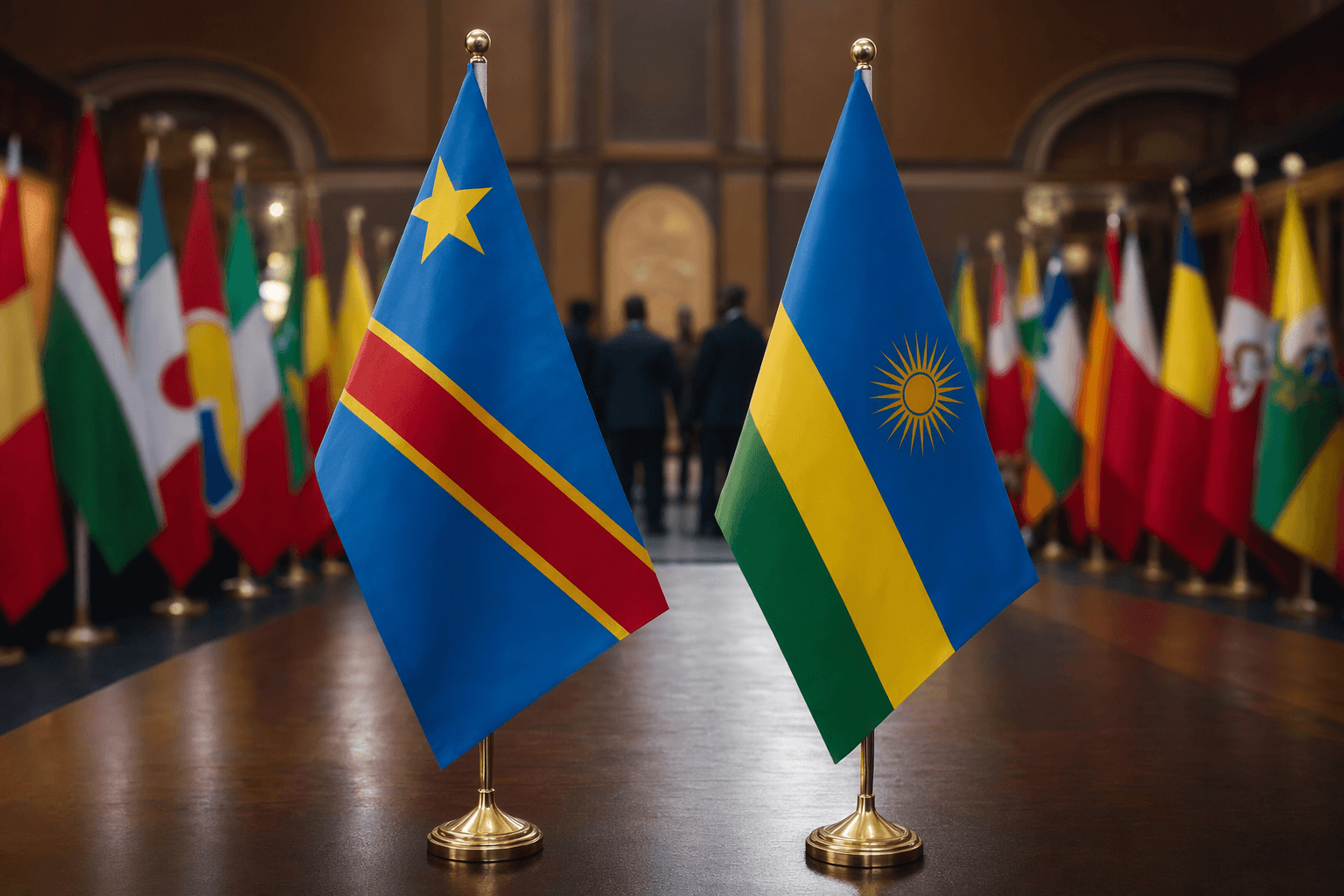
Mushikiwabo was first elected in October 2018 in Yerevan and took office in January 2019. She won a second term in November 2022. If she wins again, she would become only the second OIF secretary general to serve three terms, after Senegal’s Abdou Diouf. Congo formally announced Juliana Lumumba as its candidate in late February 2026, and her campaign has taken her to several African countries and to Canada, the organization’s second-largest funder.
The political weight of the vote reflects the military crisis far from Paris or Montreal. In early 2025, Rwanda-backed AFC/M23 rebels seized Goma and Bukavu in eastern Congo, deepening a conflict that has already drawn accusations from Congo, Western governments and United Nations experts that Kigali supports the insurgency. Rwanda denies those charges. Mediation efforts by the United States, Qatar and the African Union have not stopped the fighting, leaving the Francophonie vote entangled with the same regional confrontation.
Congolese government spokesman Patrick Muyaya tried to separate the candidacy from the war, saying Kinshasa was pursuing the bid “in a positive and constructive spirit” and adding, “For us, this election is not about rivalry between states or bilateral tensions.” But Congo, the world’s largest French-speaking country with about 100 million people, has thrown substantial diplomatic energy behind Lumumba, underscoring how much symbolic value the contest now carries. Other candidates include Mauritania’s Coumba Ba and Romania’s former prime minister Dacian Cioloș, but the real contest remains the one between Congo and Rwanda, for influence, legitimacy and control of the Francophonie narrative.
This article was produced by Prism’s automated news system from verified source data, official records, and press releases, then run through automated quality and moderation checks before publishing. The system is built and supervised by the people who set the standards it runs under. Read our full AI policy.
Did this article answer your question?


