RAF Typhoon jets get cheaper precision missiles to counter drones
Britain put a cheaper laser-guided weapon on Typhoon jets, giving the RAF a more affordable answer to Shahed-style drone swarms. The shift reached operations in under two months.
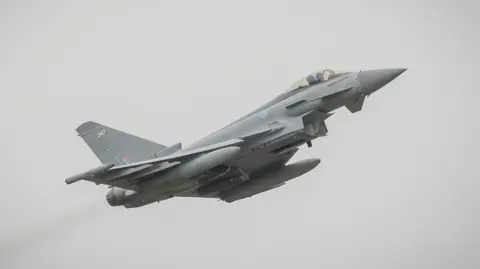
Britain has moved a lower-cost precision weapon onto RAF Typhoon jets as militaries confront the economics of drone warfare, where cheap Shahed-style attacks can force expensive interceptor spending. The Ministry of Defence said on 17 May 2026 that the Advanced Precision Kill Weapon System, or APKWS, would let Typhoons destroy drone targets precisely and at a fraction of the price of the missiles now in use.
The shift matters because modern air defense is no longer only about speed and reach. It is about cost per shot, and about whether a defender can keep firing when an attacker can launch drones cheaply and in volume. APKWS uses a laser targeting system to turn unguided 70mm rockets into precision weapons, giving the Royal Air Force a more sustainable option against drones and other threats facing British forces and partners in the Middle East.

The pace of the rollout was unusually fast. The Ministry of Defence said the capability moved from testing to operational deployment in less than two months. In March 2026, the system completed a successful strike on a ground-based target. In April, RAF pilots from 41 Test and Evaluation Squadron carried out successful air-to-air firing. The weapon is now being used on operational sorties by RAF 9 Squadron Typhoon fighter jets in the Middle East.
Industry partners BAE Systems and QinetiQ worked with the Ministry of Defence on the integration effort. Their role underscores how quickly the UK has tried to adapt Typhoon for a changing threat environment, where low-cost drones can saturate defenses and expose the limits of relying only on high-end interceptors. For Britain, the payoff is not just a new munition but a better match between the threat and the weapon used to stop it.
The deployment also fits into a wider regional posture. On 12 May 2026, the UK government said Typhoon jets would join autonomous mine-hunting equipment and HMS Dragon in a defensive mission to help secure the Strait of Hormuz. Together, the moves show how seriously London is treating drone and missile threats across the Gulf, and why affordable precision fire has become central to readiness.
This article was produced by Prism’s automated news system from verified source data, official records, and press releases, then run through automated quality and moderation checks before publishing. The system is built and supervised by the people who set the standards it runs under. Read our full AI policy.
Did this article answer your question?