Malta offers residents free ChatGPT Plus after mandatory AI course
Malta tied a year of free ChatGPT Plus to a mandatory AI course, making the island the first national test case for universal consumer AI access.
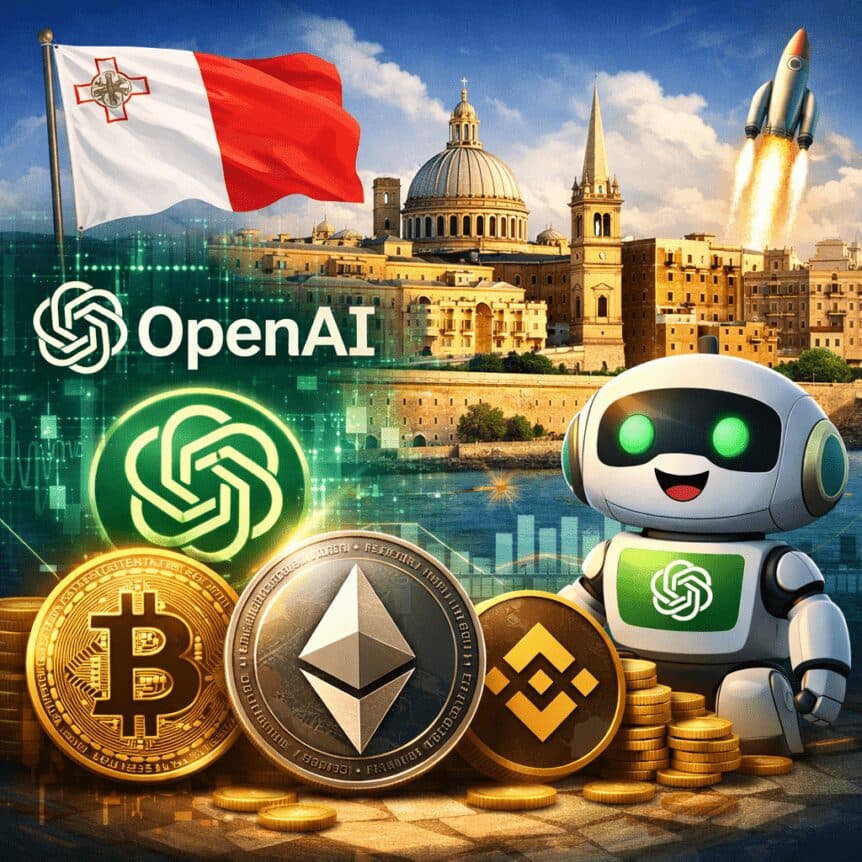
Malta has tied free ChatGPT Plus access to a required AI literacy course, turning a premium consumer AI product into a national skills policy. OpenAI said Maltese citizens and residents who complete the free course will receive ChatGPT Plus for one year, with the first phase set to begin in May 2026 and expand as more people abroad and at home finish the training.
The Malta Digital Innovation Authority will manage access to the subscriptions, while the University of Malta developed the course. The government said the online program is self-paced, free, and designed for people across all demographics and professional backgrounds. Participants need an eID account to take part, and MaltaToday reported that citizens and residents aged 14 and over can access the course and receive an official certificate upon completion.

The course, called AI for All, is meant to teach what AI is, what it can and cannot do, and how to use it responsibly at home and work. Economy minister Silvio Schembri said the aim was to turn “an unfamiliar concept into practical assistance for our families, students, and workers,” framing the program as both digital-skills training and workforce policy. OpenAI called the deal a “world’s first partnership” with a national government.
The structure matters as much as the free subscription. Malta is not simply handing out access to a chatbot; it is conditioning access on basic AI literacy, a design that suggests an emphasis on productivity, safety and responsible use rather than marketing alone. The government linked the rollout to Malta Vision 2050, and the Malta Digital Innovation Authority said the country was among the first to launch a national AI strategy in 2019.
That gives the small Mediterranean state an outsized role in a bigger policy debate. If the program raises AI fluency among students, workers and public servants, it could become a model for other governments trying to spread advanced digital tools without widening the skills gap. If it falls short, the questions will be harder: who pays, how private platforms are normalized at national scale, and whether public institutions should be steering citizens toward one company’s product as the default entry point to artificial intelligence.
This article was produced by Prism’s automated news system from verified source data, official records, and press releases, then run through automated quality and moderation checks before publishing. The system is built and supervised by the people who set the standards it runs under. Read our full AI policy.
Did this article answer your question?


