Congress Faces Another Sexual Misconduct Reckoning as Swalwell Scandal Grows
Women organizing online pushed Swalwell’s misconduct allegations into the open just as the House moved to make ethics records public.
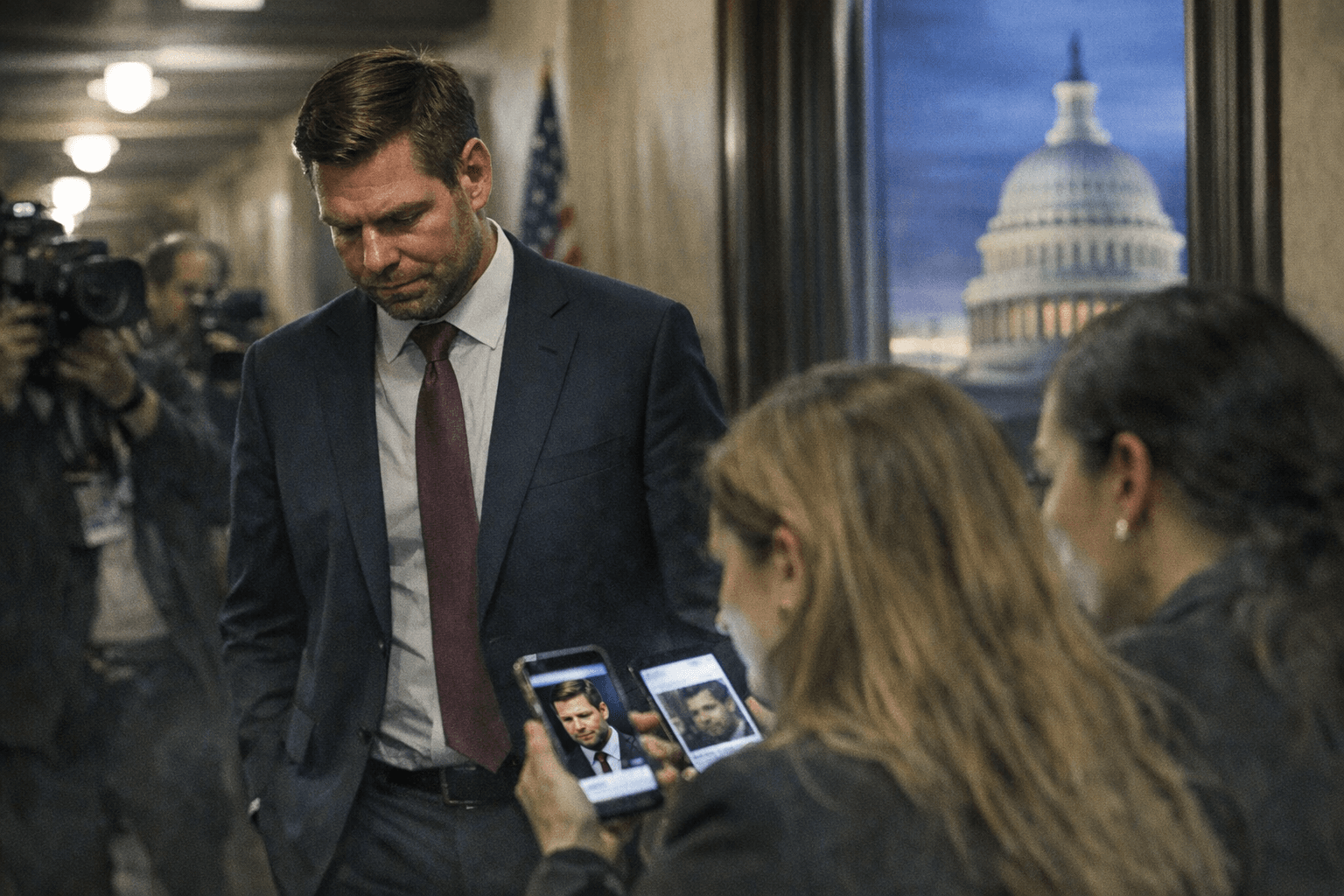
The latest Eric Swalwell allegations landed at a moment when Congress was already under pressure to prove that its sexual-misconduct reforms mean more than symbolism. What changed this time was not just the accusations, but the speed of the fallout: the allegations gained momentum online through a network of women, broader reporting intensified, Swalwell dropped out of the California governor’s race two days after the more serious claims surfaced, and he resigned from Congress the next day.
That sequence is the clearest test yet of whether Capitol Hill has moved beyond the old pattern of private damage control. Since the #MeToo movement hit Congress in 2017, lawmakers have built a thicker set of rules and reporting requirements, but the Swalwell case shows that consequences still arrive fastest when complaints move outside the institution and into public view. The recent attention has also revived scrutiny of how much misconduct remains hidden behind closed-door processes and settlement systems.
Congress did make real changes after years of scandal. In February 2018, the House adopted a rule prohibiting sexual relationships between lawmakers and their staffers. In December 2018, both chambers passed bipartisan legislation overhauling how harassment claims are handled on Capitol Hill. That law made lawmakers personally financially liable for settlements tied to harassment and retaliation they personally commit, required payment within 90 days or wage garnishment, ended taxpayer-funded settlements in those cases, and created public reporting requirements for certain settlements. In that Congress, the issue helped force out at least half a dozen members.
The pressure did not stop there. Katie Hill resigned on Oct. 27, 2019, after allegations of inappropriate sexual relationships with staffers and a House Ethics Committee probe. Nancy Pelosi said members had to ensure a climate of integrity and dignity in Congress and all workplaces, a reminder that the institution’s standards were supposed to be changing, not just the headlines.
Even so, the machinery of accountability remains uneven. The Office of Congressional Workplace Rights says the Congressional Accountability Act covers workplace protections for more than 30,000 legislative-branch employees. Its annual awards-and-settlements reports are supposed to track covered payments, and the House and Senate reports for calendar year 2024 were published on Jan. 31, 2025. The Senate report listed one covered payment in 2024, $36,260 paid by the Senate Sergeant at Arms.
Transparency pressure is still building. On March 4, 2026, the House passed H. Res. 1100 by 357-65-1, directing the Ethics Committee to preserve and publicly release records of its review of sexual-harassment-related violations or alleged violations. That vote marked progress, but the Swalwell case shows the old incentive still survives: Congress changes fastest when exposure threatens careers, not when its internal systems quietly work.
This article was produced by Prism’s automated news system from verified source data, official records, and press releases, then run through automated quality and moderation checks before publishing. The system is built and supervised by the people who set the standards it runs under. Read our full AI policy.
Did this article answer your question?

