Consumers Pull Back on Goods as Price-Sensitive Shoppers Cut Spending
Households are trimming apparel, furniture and sporting goods first as inflation stays elevated, even while higher-income spending on travel and luxury holds up.
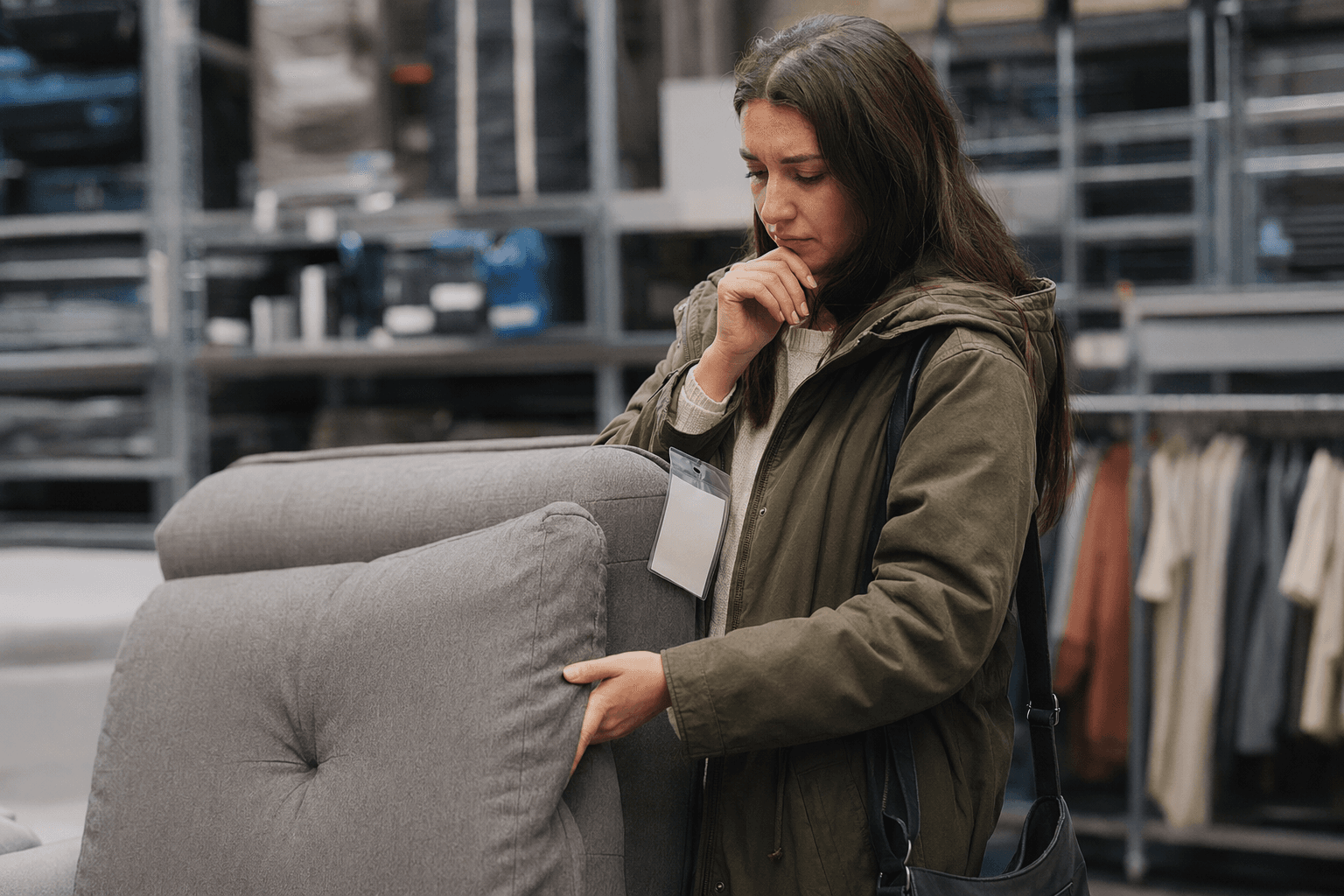
Consumers are making a hard distinction between what they need and what they can postpone. The Bureau of Economic Analysis said spending on clothing fell 7% from December through February, furniture spending fell 5% and sports equipment spending fell 6%, a clear sign that price-sensitive shoppers are cutting back first on goods that can wait.
That pullback is happening even as overall spending still grows. Personal consumption expenditures rose $103.2 billion in February 2026, but personal income fell $18.2 billion and disposable personal income dropped $18.3 billion, leaving the personal saving rate at 4.0%. The numbers point to households absorbing higher costs by changing what they buy, not by spending freely across the board.
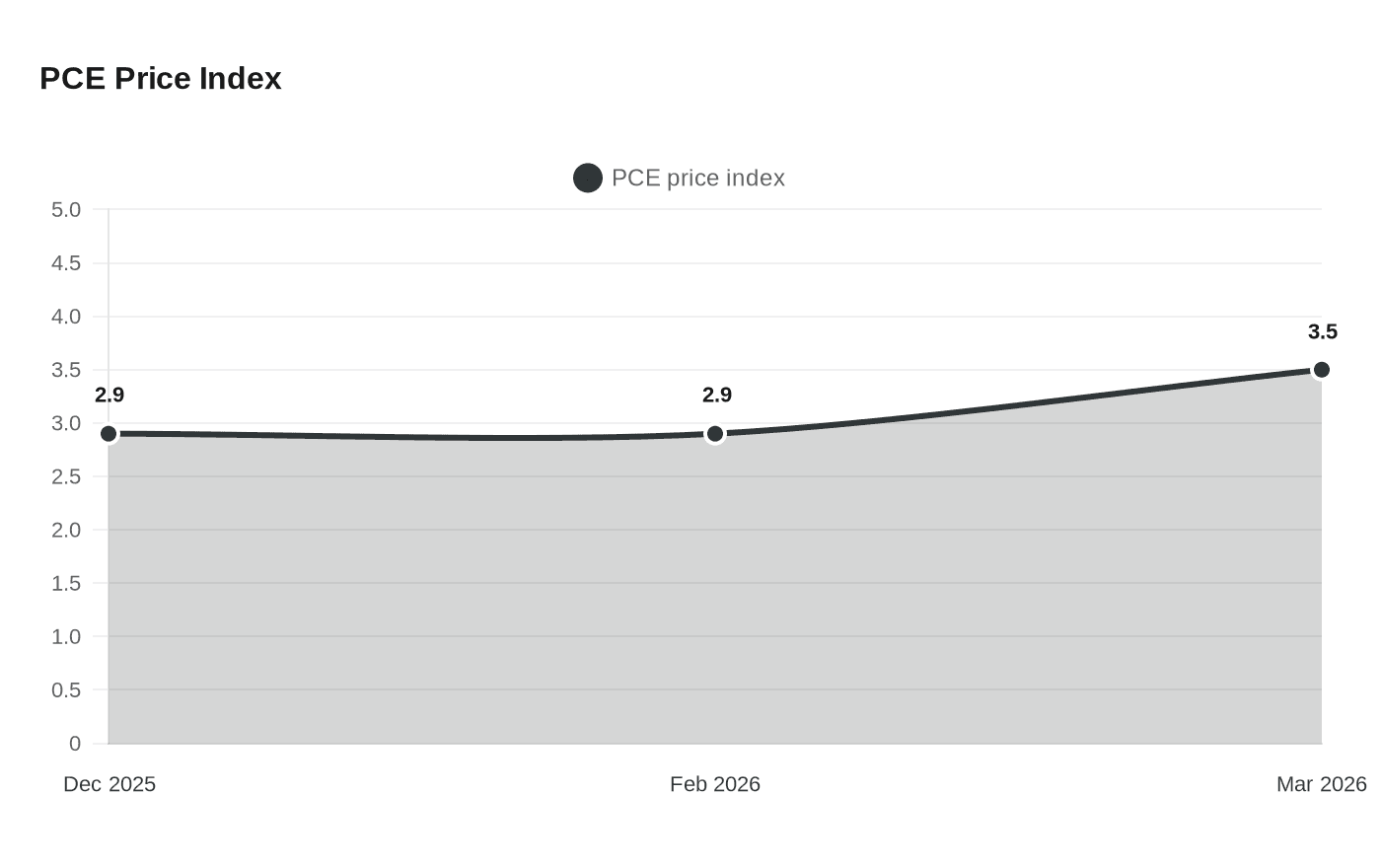
The hierarchy is showing up in the price data too. The BEA’s PCE price index held at 2.9% year over year in December 2025 and February 2026, then climbed to 3.5% in March 2026. Core PCE, which strips out food and energy, rose to 3.2% in March from 3.0% in February. The U.S. Bureau of Labor Statistics said consumer prices accelerated as well, with CPI inflation reaching 3.3% in March after 2.4% in February. For households, that means affordability remains a daily budgeting problem, not a passing annoyance.

Federal Reserve contacts were hearing the same thing in January 2026. Retail and restaurant businesses said low- and moderate-income customers were becoming more price sensitive and more reluctant to spend on nonessential goods and services. Some firms were also starting to pass tariff-related costs on to customers as pre-tariff inventories ran down. At the same time, spending remained stronger among higher-income consumers, especially on luxury goods, travel, tourism and experiential activities, while goods spending was flat or weak in some districts.
Rachel Wolfe, an economics reporter at The Wall Street Journal, has argued that the recent inflation run is being driven less by consumer demand than by companies passing through higher costs. That reading fits the broader pattern in the data: shoppers are not all pulling back equally, and businesses are finding less room to raise prices where demand is weakest.
A January 2026 Deloitte consumer survey found discretionary-spending intentions were recovering, but still lagged 2021 levels as household costs stayed elevated. That leaves consumer spending, which BEA says is a major force in U.S. economic growth, in a delicate position: strong enough to keep the economy moving, but increasingly concentrated among households least likely to flinch at higher prices.
This article was produced by Prism’s automated news system from verified source data, official records, and press releases, then run through automated quality and moderation checks before publishing. The system is built and supervised by the people who set the standards it runs under. Read our full AI policy.
Did this article answer your question?

%3Amax_bytes(150000)%3Astrip_icc()%2FCertificate-of-deposit-2301f2164ceb4e91b100cb92aa6f868a.jpg&w=1920&q=75)
