Consumers sue Amazon over alleged seafood sustainability greenwashing
Consumers claim Amazon sold tuna, salmon and other seafood as “sustainable” and “responsibly sourced” without support, in a Seattle class action seeking damages.
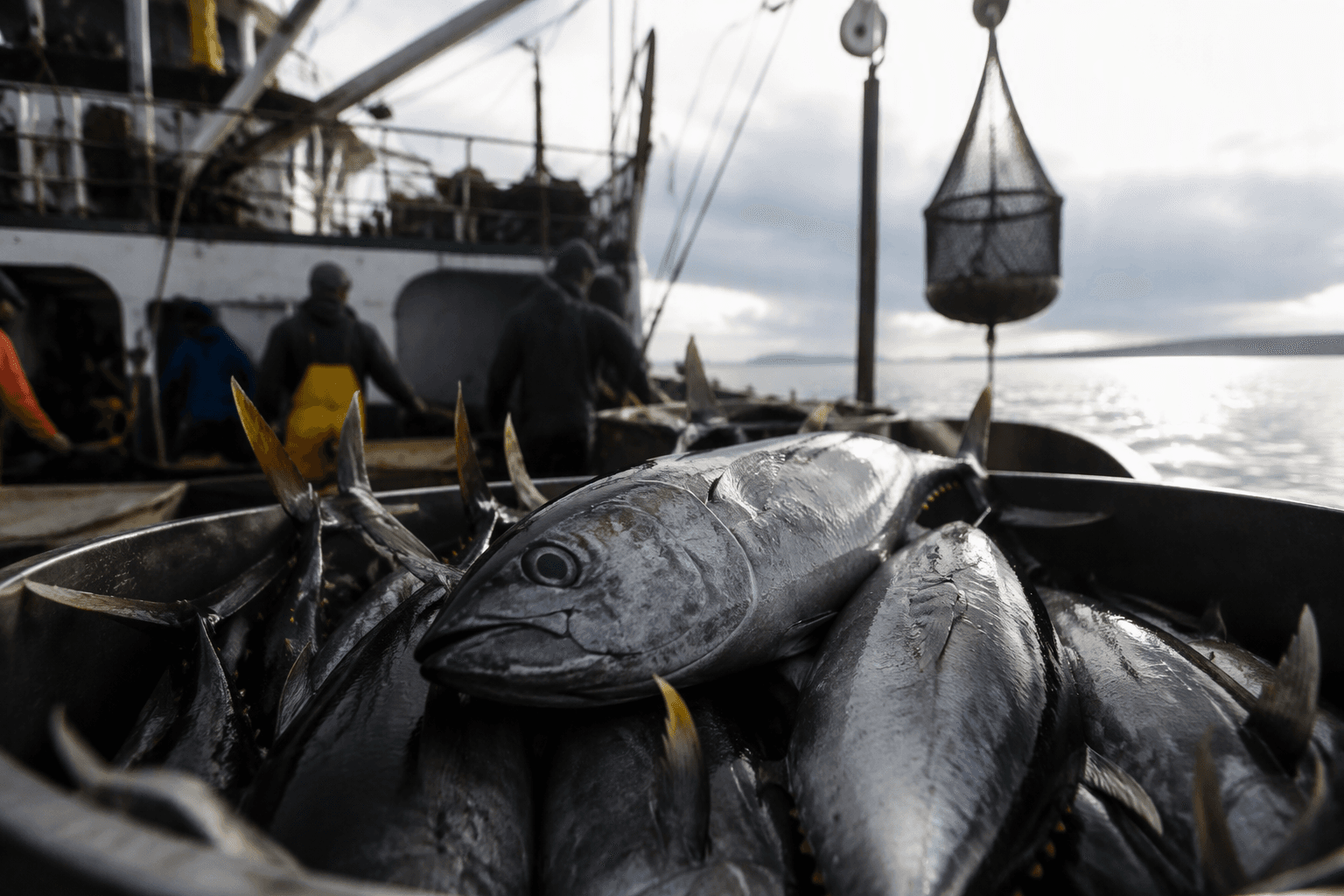
Consumers filed a proposed class action in Seattle on July 31 accusing Amazon.com Inc. of misrepresenting the environmental benefits of seafood sold on its platform, with labels such as “sustainable,” “responsibly sourced” and “wild caught” at the center of the dispute. The suit, lodged in the U.S. District Court for the Western District of Washington, seeks damages and restitution.
The complaint says shoppers believed they were buying seafood that was sustainable, environmentally friendly or certified by the Marine Stewardship Council. It targets products sold under brands including 365 by Whole Foods Market, Bumble Bee, Chicken of the Sea and StarKist, putting Amazon’s grocery business under fresh scrutiny for how it frames sourcing claims to online buyers.
At the heart of the case is the trust gap that often opens between a label and the supply chain behind it. Seafood sustainability can turn on overfishing, habitat damage, bycatch, farming methods and certification standards, but those details are rarely visible to a shopper clicking through a product page. The plaintiffs contend that Amazon’s presentation of the seafood gave consumers the impression that the products carried environmental benefits that were not adequately supported.
The suit arrives as greenwashing claims have become a recurring legal risk for major consumer brands, especially retailers that use environmental language as part of their identity. In this case, the issue is not only what Amazon sold, but how it sold it: whether sustainability wording on a massive marketplace can do the work of disclosure when the underlying sourcing is opaque.
Hagens Berman, which said the case accuses Amazon of knowingly misleading the public about the environmental and ecological sustainability of its seafood products, also tied the allegations to Amazon-owned Whole Foods Market. Whole Foods Market maintains a seafood standards page describing its own seafood quality standards, a reminder of how sensitive these claims are for a company whose grocery business leans heavily on responsible sourcing language.
If the plaintiffs prevail, the case could force retailers to document seafood claims more carefully and explain what sits behind words like “sustainable” and “responsibly sourced.” Even without a major penalty, the lawsuit adds to the legal and reputational pressure on online marketplaces that sell environmental assurance alongside food.
This article was produced by Prism’s automated news system from verified source data, official records, and press releases, then run through automated quality and moderation checks before publishing. The system is built and supervised by the people who set the standards it runs under. Read our full AI policy.
Did this article answer your question?