Contaminated Indore water linked to sewage bacteria - at least nine dead
A diarrhoea outbreak in Indore’s Bhagirathpura neighbourhood has been tied to municipal drinking water contaminated with bacteria commonly found in sewage, killing at least nine people and sickening hundreds. The crisis exposes gaps in urban water infrastructure, uneven emergency response, and urgent questions about accountability and protections for vulnerable communities.
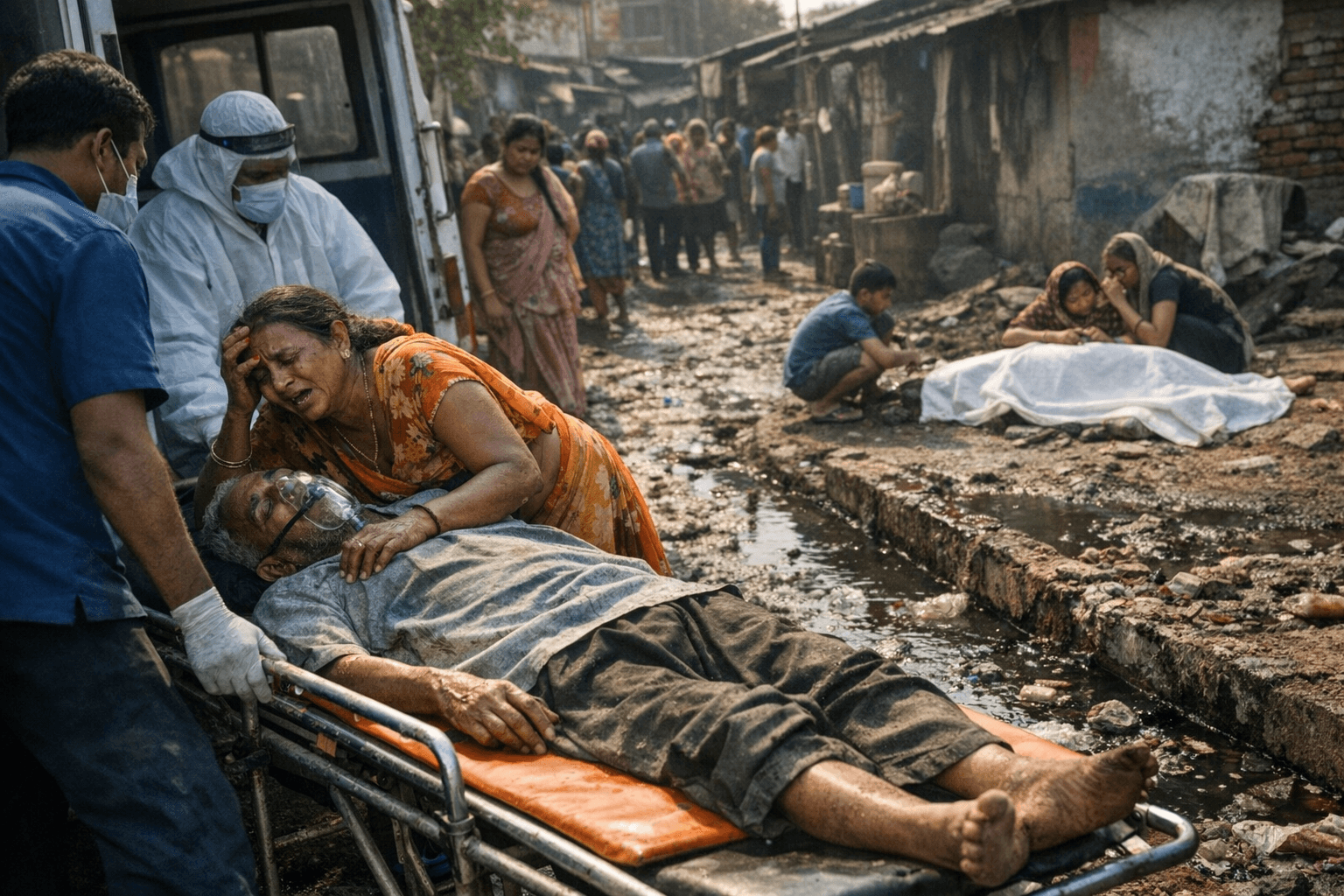
Early on January 2, a surge of vomiting and diarrhoea in Bhagirathpura, a densely populated neighbourhood of Indore, prompted mass hospital visits and emergency screening after residents complained of foul-smelling water. Local health authorities and a lawmaker put the death toll at at least nine and said more than 200 people were undergoing treatment in hospitals; district records and residents offered differing counts, with official registers showing four confirmed deaths while some residents claimed as many as 14.
Preliminary laboratory tests on drinking-water samples detected bacteria commonly present in sewage, officials said, underscoring a direct contamination of the municipal supply. Investigators tracing the contamination reported a likely source: a toilet constructed directly above a main drinking-water pipeline near a police outpost that reportedly lacked a mandatory safety tank. When a leak developed in the pipeline, sewage is said to have seeped into the potable network, the inquiry found.
Indore district authorities reported large-scale screening and clinical response in the affected zone. Officials said roughly 48,400 people had been screened and nearly 2,800 showed symptoms consistent with acute gastroenteritis; about 272 patients had been admitted to hospitals, with approximately 32 in intensive care at the peak of reporting. Patients from Bhagirathpura were being treated across multiple facilities, with at least 27 hospitals involved in care and stabilization efforts. One reported victim was an infant of six months.
State authorities have taken rapid administrative measures. Madhya Pradesh Chief Minister Mohan Yadav described the incident as tragic and ordered disciplinary action against civic officials cited as responsible for lapses in infrastructure oversight. The Additional Commissioner of Indore and the Superintending Engineer have been suspended or are facing disciplinary proceedings, while the chief minister announced financial assistance of ₹200,000 for each family of the deceased. The National Human Rights Commission issued a notice to the state chief secretary on January 1, seeking a detailed report within two weeks.
Municipal crews say they have flushed and cleaned the affected supply line, repaired leakages and supplied replacement water to the area, while health teams continue door-to-door screening and education on safe hydration and oral rehydration measures. Despite these steps, residents and health advocates expressed anger and fear, pointing to longstanding gaps in surveillance, maintenance and equity in city services.
The public-health implications extend beyond immediate treatment. Contamination of a core municipal supply highlights failures in basic engineering safeguards, weak enforcement of construction standards and the particular vulnerability of low-income neighbourhoods that bear the brunt of infrastructure collapse. Public-health experts warn that rapid detection, transparent reporting, routine microbial monitoring of piped systems and investments in redundant safety features such as proper air gaps and holding tanks are essential to prevent repeat disasters.
Investigations into culpability and the sequence of engineering failures are continuing. For families coping with loss and communities reeling from widespread illness, the crisis lays bare a wider policy choice: whether cities will prioritize routine maintenance and equitable service provision or leave those living on the margins to pay the price for lapses in basic public infrastructure and oversight.
This article was produced by Prism’s automated news system from verified source data, official records, and press releases, then run through automated quality and moderation checks before publishing. The system is built and supervised by the people who set the standards it runs under. Read our full AI policy.
Did this article answer your question?