Convert Any Commercial Yeast Recipe into Predictable, Flavorful Sourdough
Convert commercial-yeast recipes into reliable sourdough by using baker's percentages, a planned levain, target hydration, and overnight retardation for flavor and scheduling.
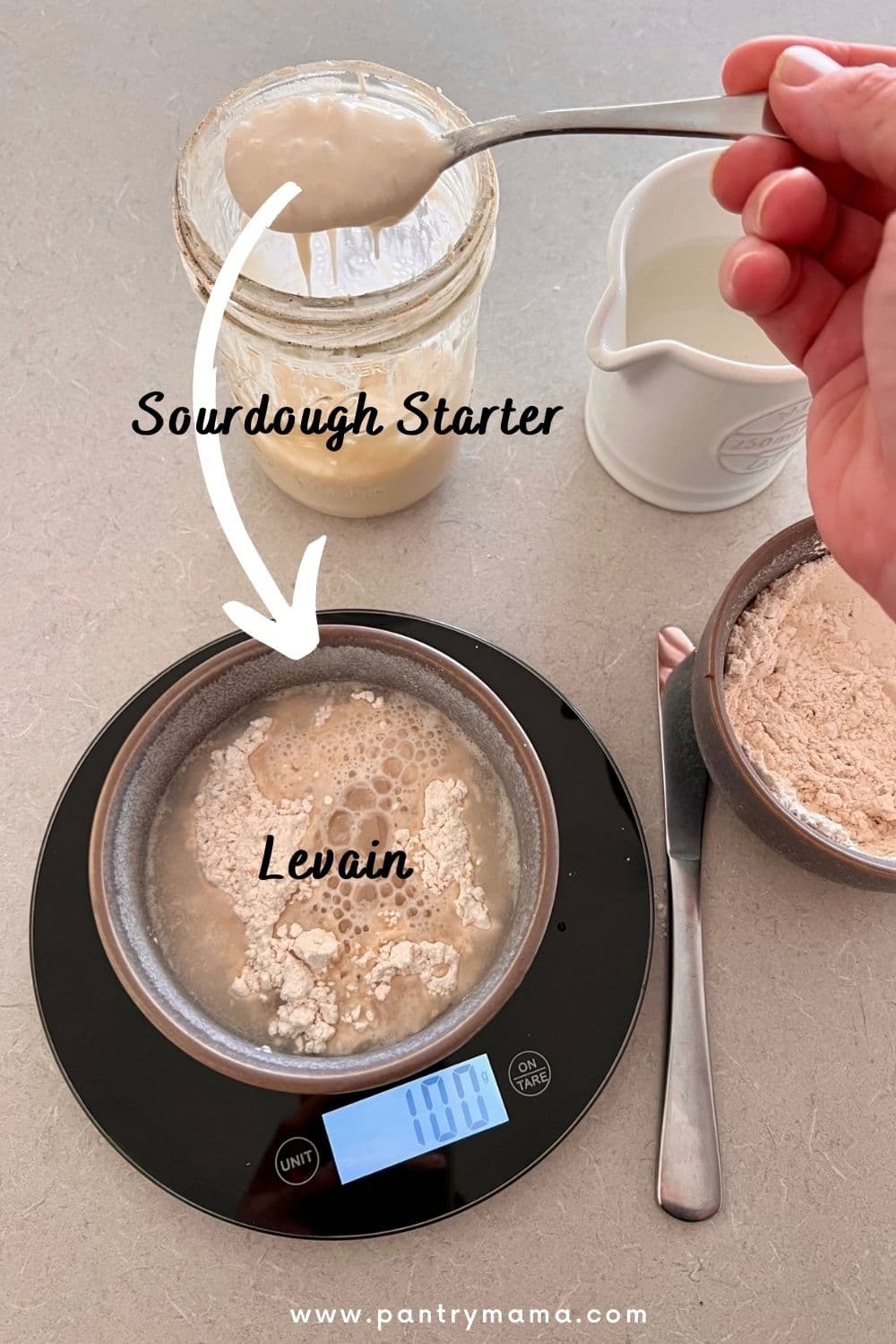
A practical, stepwise approach lets home bakers turn any commercial-yeast sandwich or boule recipe into a predictable, flavorful sourdough without sacrificing crumb, oven spring, or timing. The method centers on baker's percentages, a chosen preferment strategy, and refrigeration proofing to preserve flavor while fitting home schedules.
Start by converting the original recipe to baker's percentages, with flour set at 100 percent. This makes scaling straightforward and lets you calculate final dough hydration and the percent of flour contributed by your levain or starter. Two common sourdough preferments work well: build a levain timed to peak when you mix the final dough for the most flavor control, or use a higher percentage of mature starter if you need a shorter total fermentation. For converting a commercial recipe, aim for levain at about 20-30 percent of the total flour weight for clear sour notes and solid oven spring; reduce to about 10-15 percent for milder tang and longer bulk fermentation.
Target final dough hydration next. Many commercial loaves sit at 60-68 percent hydration; for a sandwich-style crumb, 65 percent FDH is a good starting point. Adjust by feel for high-extraction or whole-grain flours, which absorb more water. To retain the subtlety of sourdough flavor, favor extending the timeline rather than increasing starter percentage. A practical timetable: build levain in the evening, mix dough late evening, bulk ferment at a cool room temperature for about 3-4 hours with stretch-and-folds, shape, and then retard in the fridge for 8-14 hours before baking the next morning. Retardation both develops flavor and suits busy mornings.
Mixing choices affect crumb and strength. Use an autolyse of flour and water for 20-60 minutes before adding levain and salt for open crumb and gentle gluten development. For convenience, direct mixing is acceptable. For sandwich loaves, employ more intensive folds or coil techniques to build strength and achieve a tight, even crumb. Evaluate bulk fermentation by feel and cues instead of a clock: look for a 20-40 percent volume increase, visible air pockets when folding, and a dough that relaxes when shaped. The poke test is useful; a dimple that springs back slowly indicates readiness.
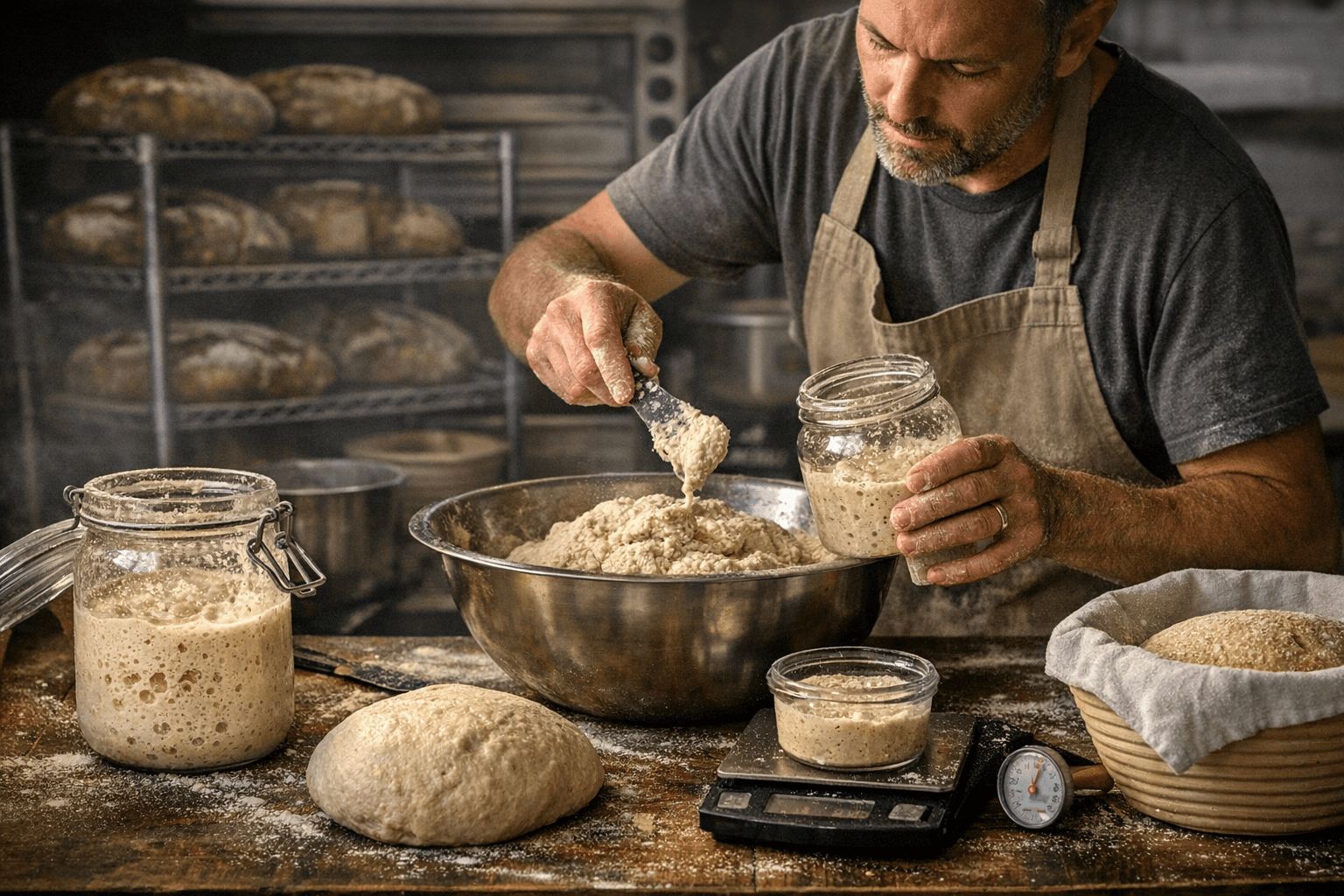
Shape sandwich loaves with tight tension and use greased pans or a couche; shape boules and batards with surface tension and final proof in a banneton. Final proofing in the fridge for 12-18 hours yields consistent flavor and timing. Bake after scoring in a well-preheated oven at 425-475°F (220-245°C) with steam for the first 12-15 minutes, then lower the temperature for longer bakes to prevent over-browning.
If a loaf is dense, increase proof time or warm the proof. Flat loaves point to weak gluten or overproofing; shorten proof or strengthen the dough and reduce levain percent. If sourness is too strong, reduce levain percent, shorten fermentation, or cool ferment. Standardize your starter feed schedule to fix inconsistent crumb.
For bakers moving from quick-rise breads to naturally leavened loaves, this recipe conversion plan gives clear, actionable steps to preserve familiar textures while gaining depth of flavor and schedule-friendly predictability.
Know something we missed? Have a correction or additional information?
Submit a Tip