Corpus Christi water crisis threatens residents and major energy industries
Years of drought drained Corpus Christi’s reserves so deeply that water cuts could hit 317,000 residents and the refineries and petrochemical plants tied to its port.
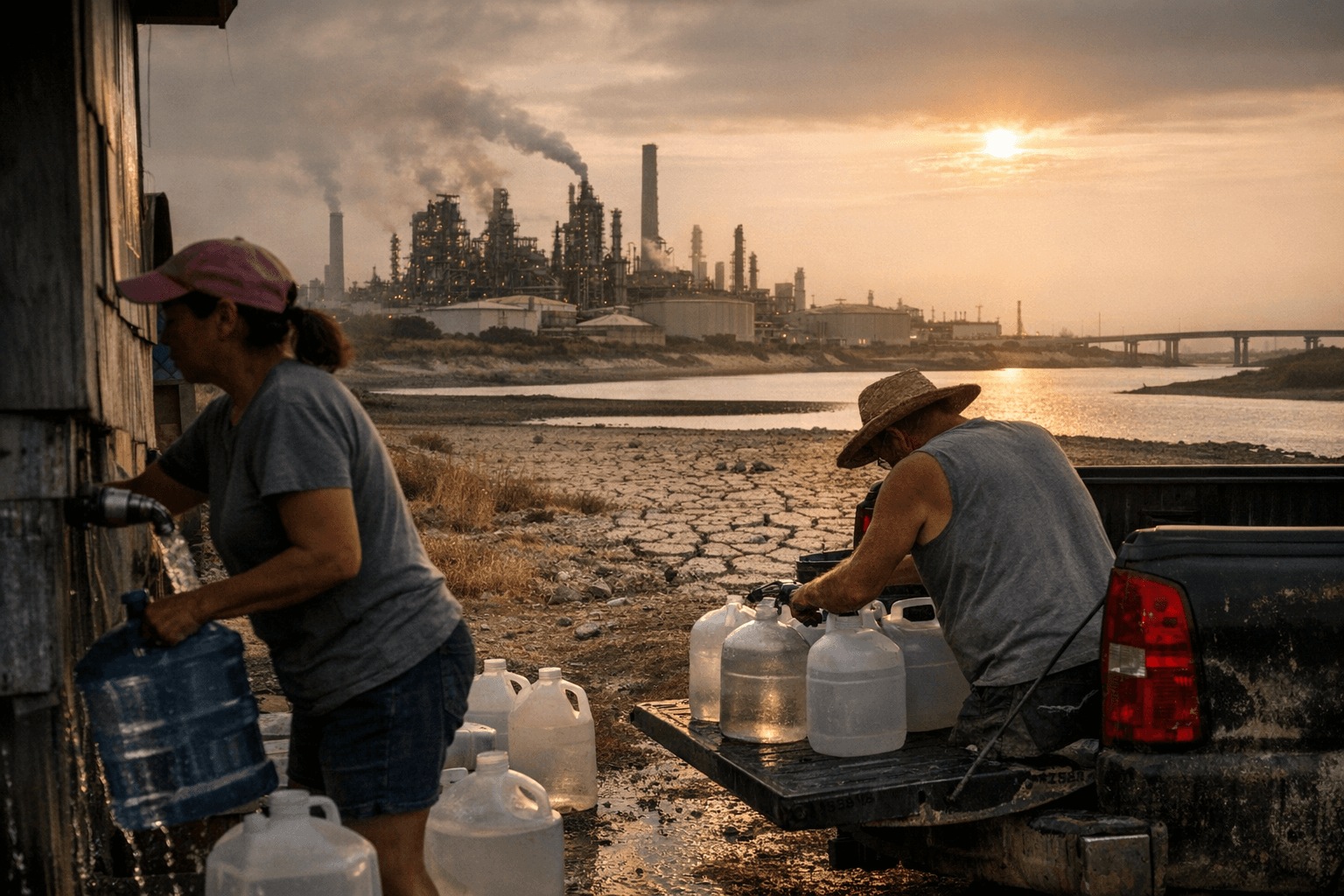
Corpus Christi’s water squeeze has moved from a planning problem into a threat to one of the country’s most important energy corridors. After years of drought drained the city’s reserves, officials were scrambling to avoid shortages that could force restrictions on households and disrupt refineries and petrochemical plants tied to the port.
City manager Peter Zanoni said the city has "not kept up with water supply and water infrastructure the way it should have," a warning that underscored how long the crisis has been building. Corpus Christi serves a city of about 317,000 people and also sells water to nearby counties, stretching a system that now has little room to absorb another dry spell.
The stakes reach far beyond city limits. The coastal region is tightly bound to oil and gas, and it manufactures and ships essentials such as fuel and steel. That makes every gallon of water a question not only of household use, but of industrial output, port activity and regional commerce. If restrictions become necessary, residents could face painful cutbacks at the same time that plants processing oil and chemicals confront limits on operations.
The problem, according to the reporting, was not just drought but timing. City leaders had expected new water sources to arrive before reserves fell this far, but those supplies did not materialize when needed. That left Corpus Christi exposed just as industrial demand had become a bigger part of the local water balance.
As the city increased water sales to major industrial customers, it also deepened its reliance on a system with too little slack for a prolonged dry period. That combination, drought pressure on one side and heavy commercial demand on the other, turned the crisis into a national warning about how fast-growing coastal cities can run into trouble when climate stress, industrial expansion and delayed infrastructure investment collide.
For Corpus Christi, the immediate challenge is keeping both taps and terminals running. The longer-term lesson is harsher: without faster investment and more reliable supplies, the same water that sustains homes and factories can become the constraint that slows both.
This article was produced by Prism’s automated news system from verified source data, official records, and press releases, then run through automated quality and moderation checks before publishing. The system is built and supervised by the people who set the standards it runs under. Read our full AI policy.
Did this article answer your question?

