TSMC set for record profit as AI chip demand keeps surging
TSMC’s first-quarter revenue jumped 35.1% to NT$1.134 trillion, and analysts expect record profit near T$542.6 billion as AI demand still overpowers supply.
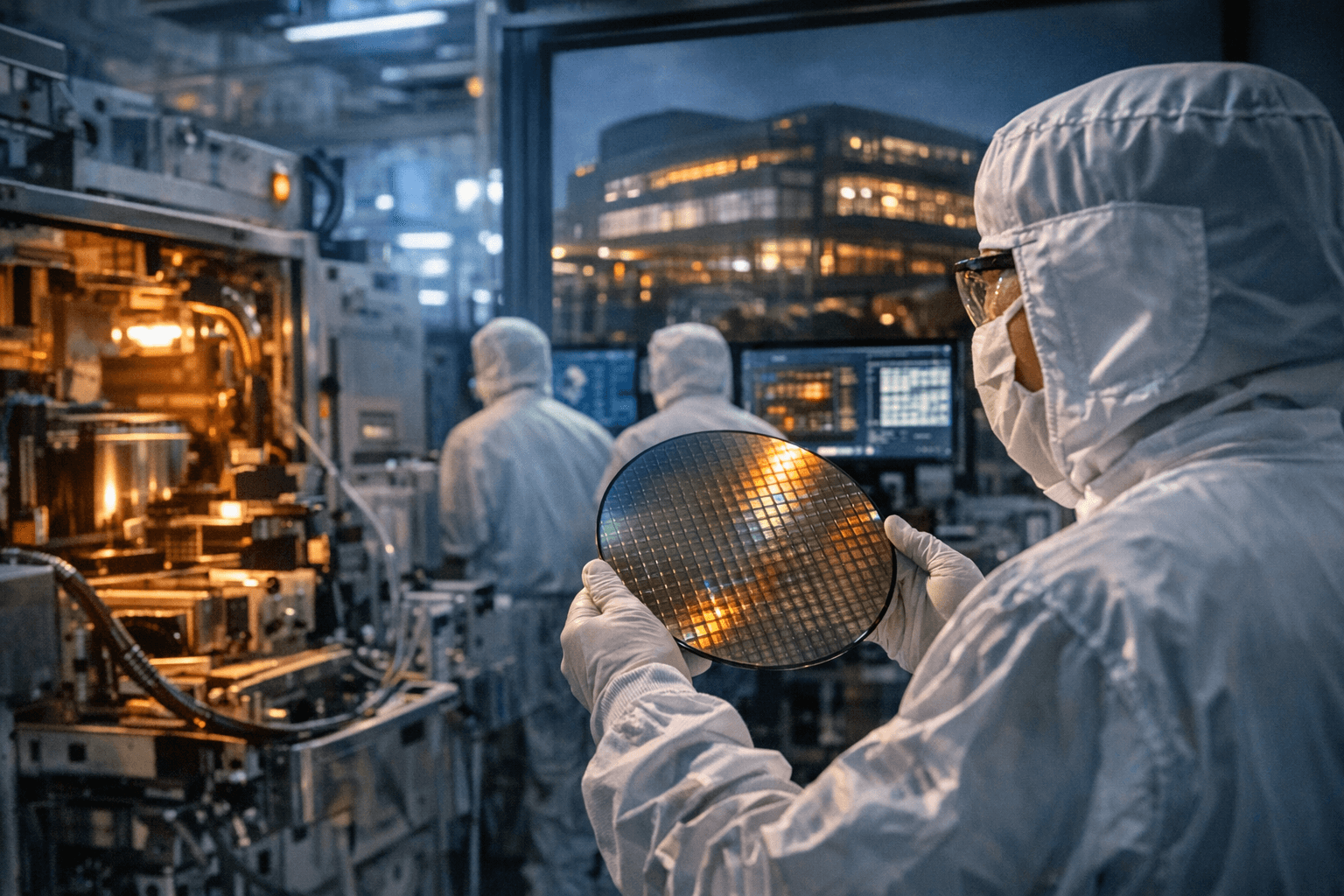
TSMC is heading toward another record profit, with first-quarter net income expected to reach about T$542.6 billion, or roughly $17.1 billion, as artificial-intelligence chip demand continues to strain the world’s most advanced foundry.
That would top the company’s prior quarterly high of NT$505.74 billion in fourth-quarter 2025 and extend a streak of year-over-year profit growth to nine straight quarters. TSMC already showed the pace of the business in its April 10 revenue release, reporting first-quarter 2026 sales of NT$1.134 trillion, or $35.71 billion, up 35.1% from a year earlier.
The engine remains the same: 3-nanometre production and advanced packaging. Those lines are still heavily oversubscribed by customers building AI accelerators and server hardware, a sign that the AI economy is still being driven by a small cluster of huge buyers rather than by a fully diffuse wave across industries. TSMC’s importance to Nvidia and Apple underscores that concentration, and it also explains why the company’s earnings have become one of the cleanest readouts of how much real demand is still flowing into AI infrastructure.
Investors will pay close attention to what TSMC says about second-quarter guidance and whether management lifts or holds steady its 2026 capital-spending plan. After its January 15 results, TSMC said 2026 capex would rise to a record US$52 billion to US$56 billion, up from US$40.9 billion in 2025. Roughly 70% to 80% of that is slated for advanced process technologies, with the rest going to advanced packaging, specialty technologies, mature-node capacity and fab construction.
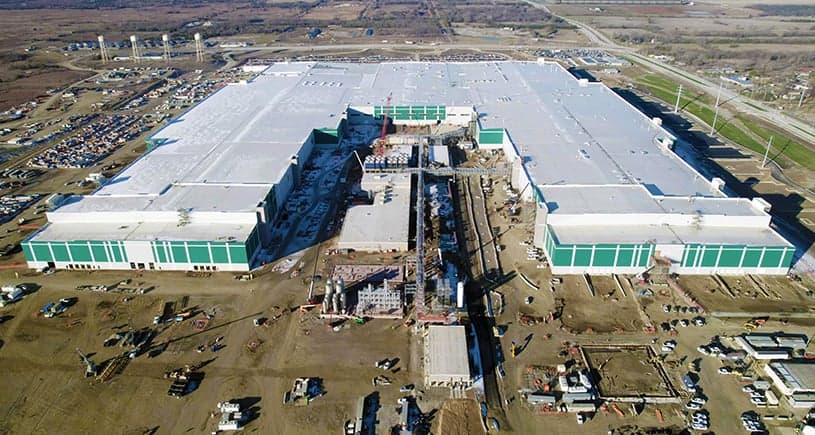
The company is already moving to its next manufacturing frontier. Its 2nm technology family is entering production at Fab 20 and Fab 22, while 3nm went into high-volume production in 2022. TSMC’s 2024 annual report said it had been expanding 3nm, 2nm and CoWoS advanced packaging capacity across Hsinchu, Kaohsiung, Chiayi and Tainan to meet demand tied to AI growth.
The stakes extend well beyond chip-sector momentum. TSMC has said it intends to add another US$100 billion to its U.S. investment, bringing total planned spending in the United States to US$165 billion, while its plans in Japan have also been revised. At the same time, geopolitical risk remains part of the story. A war in the Middle East could threaten supplies of industrial gases such as helium and neon, but analysts say TSMC is better insulated than many peers because of diversified sourcing and safety stock.
For markets, that combination matters. TSMC’s earnings are no longer just a check on semiconductor demand; they are a test of whether AI is still a concentrated spending boom led by hyperscalers and platform giants, or the start of a broader capital cycle with lasting implications for supply chains, industrial policy and national security.
This article was produced by Prism’s automated news system from verified source data, official records, and press releases, then run through automated quality and moderation checks before publishing. The system is built and supervised by the people who set the standards it runs under. Read our full AI policy.
Did this article answer your question?