U.S.-Iran talks fail, blockade of Strait of Hormuz drives oil above $100
Oil jumped back above $100 after failed U.S.-Iran talks and a Hormuz blockade threat sent tankers away from one of the world’s key crude chokepoints.
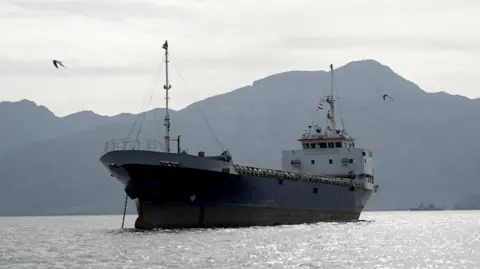
A weekend collapse in U.S.-Iran talks turned an energy standoff into a market shock, lifting crude back above $100 a barrel as traders priced in the risk of a blockade in the Strait of Hormuz. Vice President J.D. Vance said Tehran had “chosen not to accept our terms,” while Iranian state media blamed the breakdown on U.S. “excessive demands.” By Asian trading on Monday, Brent had climbed to around $102 a barrel and West Texas Intermediate was above $104.
The pressure intensified after President Donald Trump said the U.S. Navy would immediately begin blockading the Strait of Hormuz and intercept vessels that had paid tolls to Iran. The route is one of the most important pieces of oil infrastructure in the world: the U.S. Energy Information Administration says about 20.9 million barrels a day flowed through it in the first half of 2025, equal to roughly 20% of global petroleum liquids consumption and about one-quarter of seaborne traded oil. At its narrowest point, the waterway is only 29 nautical miles wide, leaving little room for detours if traffic is disrupted.
That physical bottleneck is what gives the market reaction its force. Three supertankers loaded with oil were reported to have passed through the strait on Saturday, but other tankers were steering clear by Monday as the blockade threat hung over the corridor. Even before any sustained disruption to cargoes, the possibility of delays, rerouting and higher war-risk costs was enough to jolt prices higher and make ship operators more cautious.
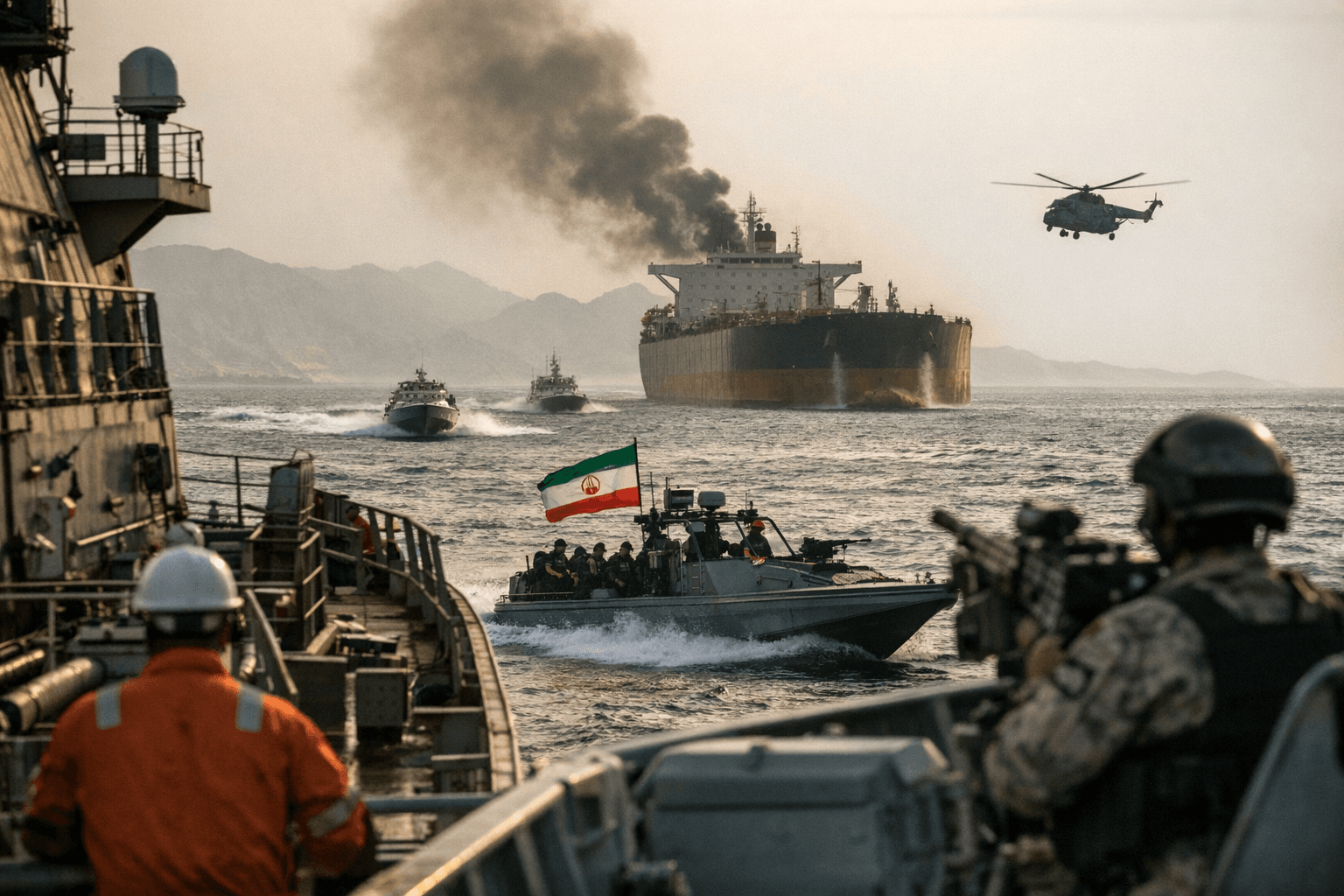
The bigger question is how much supply is actually at risk. Most crude that moves through Hormuz is ultimately headed for Asian markets, where refiners are especially exposed to any interruption in Gulf flows. If traffic slows or vessels stay away, the effect can spread quickly through freight markets, insurance costs and refinery buying, pushing up the price of fuel even when barrels are not physically lost.
That is why threats to Hormuz have historically mattered nearly as much as actual closures. Markets tend to react first to the possibility that flows could be delayed or diverted, then reassess how much oil is truly trapped. In this case, the gap between headline fear and physical supply risk may determine whether the rally stays a spike or becomes the first stage of a deeper energy shock.
This article was produced by Prism’s automated news system from verified source data, official records, and press releases, then run through automated quality and moderation checks before publishing. The system is built and supervised by the people who set the standards it runs under. Read our full AI policy.
Did this article answer your question?

