Countries gather in Colombia to map fossil fuel phaseout path
More than 50 countries met in Santa Marta to sketch a fossil fuel exit, but no binding deal or money pool emerged. The test now is whether words become financing and deadlines.
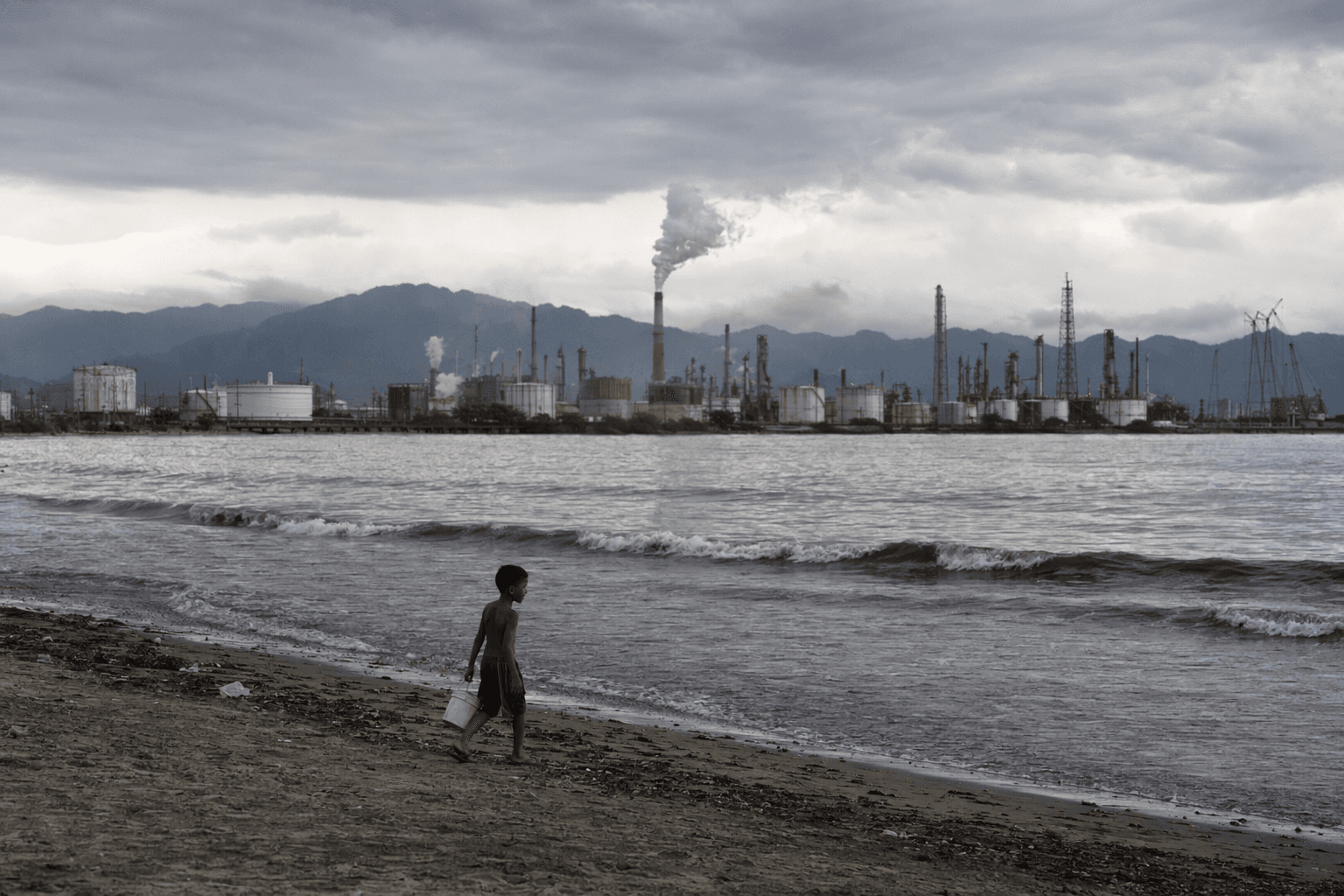
In a port city tied to coal, oil and gas, more than 50 countries gathered in Santa Marta, Colombia, to do what the UN climate process has struggled to deliver: spell out how the world could actually move away from fossil fuels. Around 60 governments, including Brazil, Germany, Canada and Nigeria, took part in the first international conference focused specifically on phasing out oil, gas and coal.
The meeting, which began Tuesday, was organized by Colombia and the Netherlands as a practical forum rather than a treaty negotiation. That distinction mattered. Delegates were not there to set a new global target or write a binding accord. They came to compare notes on how countries can shift energy systems, finance the change and avoid being trapped in a second decade of climate promises that never become policy.
The backdrop was anything but abstract. Reuters reported that the talks unfolded as the Iran war shook oil and gas markets and pushed prices higher, underlining how quickly the world’s dependence on fossil fuels can translate into economic pain. At the same time, global demand is still climbing: the International Energy Agency says coal demand hit a record 8.77 billion tonnes in 2024, natural gas demand rose, and total energy demand grew faster than average. The Intergovernmental Panel on Climate Change says greenhouse gas emissions remain at historic highs, driven mainly by continued fossil-fuel use.
That is why the Santa Marta meeting drew attention even without the fanfare of a UN summit. At COP28 in Dubai in December 2023, countries agreed to begin a global transition away from fossil fuels, and UN climate officials called that decision the beginning of the end of the fossil-fuel era. The UN climate body said governments were supposed to speed that transition in their next national climate plans, including measures to phase down unabated coal power and cut inefficient fossil-fuel subsidies. Progress since then has been slow.
The new conference also exposed the politics of who is in the room and who is not. NPR reported that China, the world’s largest coal consumer, did not participate. Euronews said Donald Trump and the U.S. federal government were not invited. Colombia’s hosts argued that major COP meetings no longer provide enough space to tackle coal, oil and gas production directly.
For President Gustavo Petro, the stakes are personal as well as political. Colombia is a major coal, oil and gas producer, and coal exports remain central to the economy, even as Petro has promised since taking office in 2022 to wean the country off oil and coal. With Colombia’s first round of presidential voting scheduled for May 31, his transition agenda remains unfinished.
The clearest obstacle is money. Reporting from the Associated Press and The Washington Post has pointed to financing as a central barrier to fossil-fuel transition efforts, and that challenge loomed over Santa Marta. If the conference produces only speeches, it will join a long line of climate gatherings that sharpen the diagnosis without funding the cure. If it can unlock capital, deadlines and enforceable national plans, it could become a real break from the pattern.
This article was produced by Prism’s automated news system from verified source data, official records, and press releases, then run through automated quality and moderation checks before publishing. The system is built and supervised by the people who set the standards it runs under. Read our full AI policy.
Did this article answer your question?


