Trump Rejects Iran Proposal, Nuclear Talks Stall as Strait Chokes Shipping
Trump’s rejection of Iran’s latest offer left nuclear talks stalled as shipping through the Strait of Hormuz stayed choked and oil prices climbed.
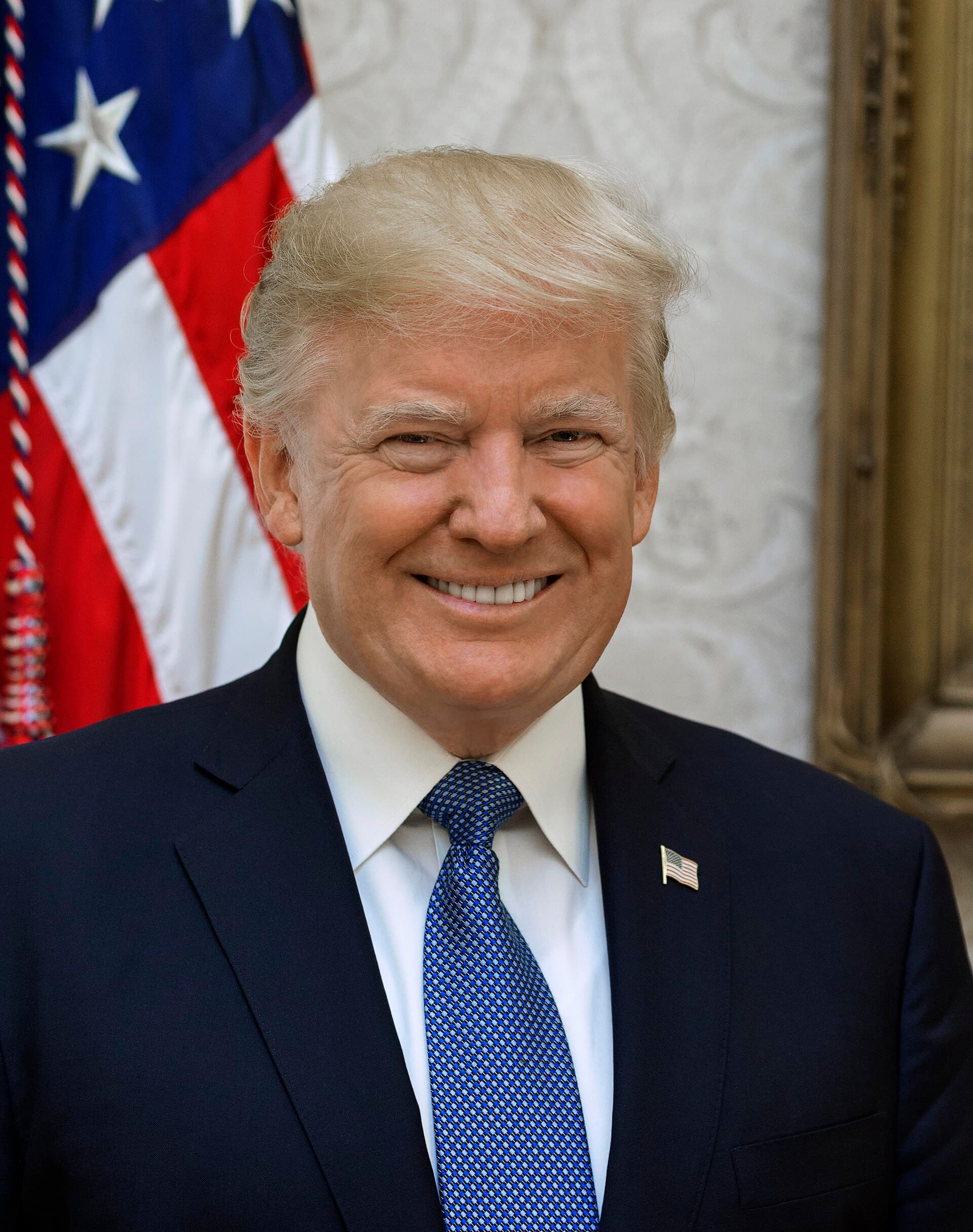
Donald Trump rejected Iran’s latest proposal on Tuesday, saying it pushed the nuclear issue too far into the future while shipping through the Strait of Hormuz remained heavily constrained. The split left the two-month conflict at a dangerous crossroads, with Washington pressing for immediate nuclear limits and Tehran trying to defer the hardest question until after the war.
Trump met with his national security team and dismissed Iran’s offer as too soft on the core dispute over its nuclear program. Reuters reported that the Iranian side wanted talks to delay the nuclear file until after the war and to settle shipping disputes first. Trump’s position was the reverse: nuclear questions had to be addressed from the start.
In a Truth Social post, Trump said Iran was in a “state of collapse” and claimed it wanted the United States to reopen the Strait of Hormuz quickly while Tehran tried to sort out its leadership. The report said it was unclear how that message had been communicated, but the broader signal was unmistakable: Trump was not moving toward compromise, and the room for negotiation was shrinking.
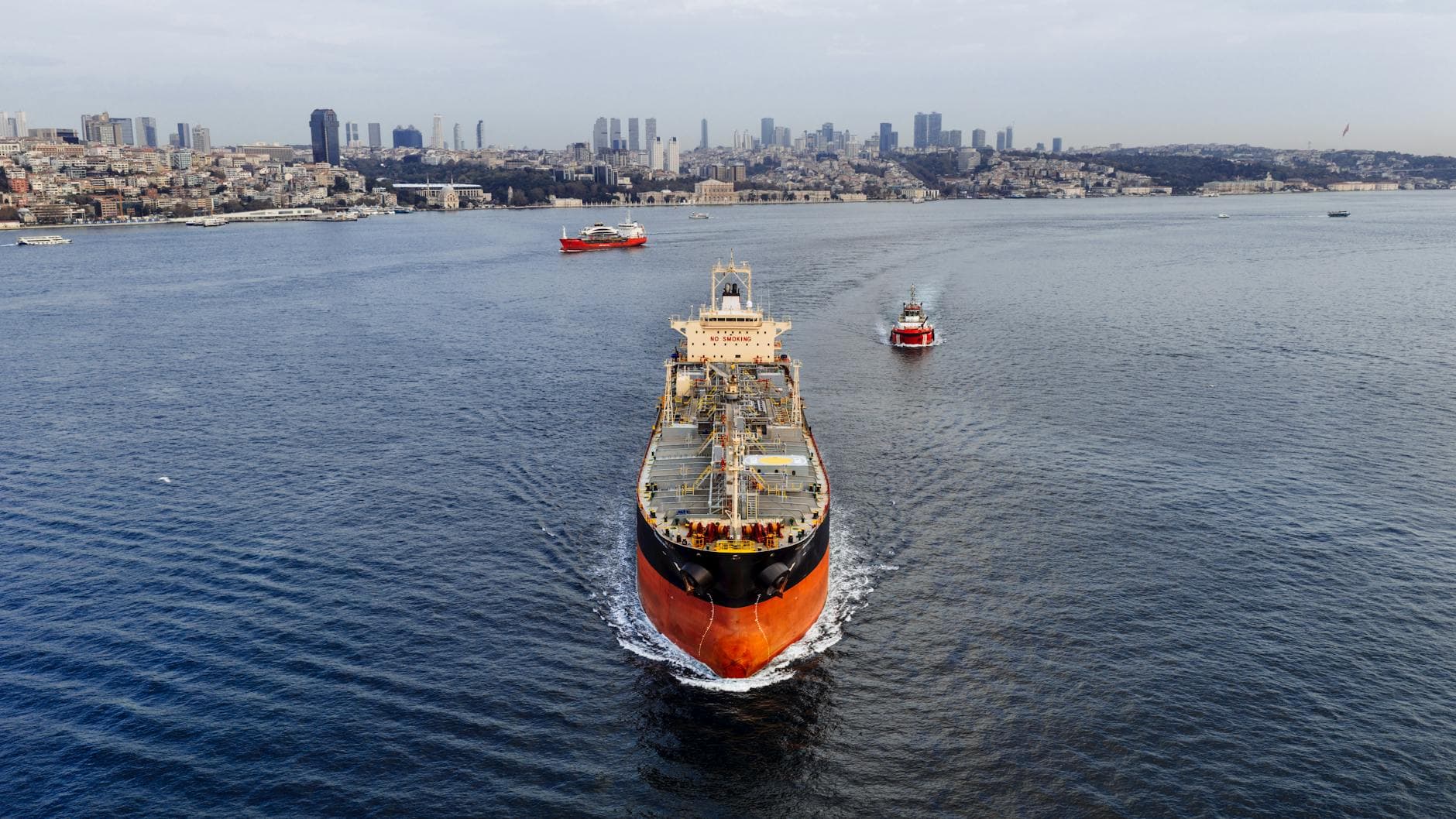
The breakdown came as Iran had largely blocked shipping through the Strait of Hormuz, one of the world’s most sensitive energy chokepoints, and the United States had begun blockading Iranian ships earlier in April. Trump also canceled a planned Pakistan trip by his envoy, Steve Witkoff, and his son-in-law, Jared Kushner, cutting off one diplomatic channel just as Abbas Araqchi was moving between Islamabad and Tehran-linked contacts in an effort to revive talks. Pakistan has been serving as a mediator.
The stakes extend far beyond diplomacy. The war has killed thousands, rattled trade routes, and pushed energy markets higher as tanker traffic through the strait collapsed. The Strait of Hormuz normally carries about 20 million barrels of oil a day, roughly one-quarter of global seaborne oil trade, along with major volumes of LNG and fertilizers. United Nations and Food and Agriculture Organization officials have warned that the disruption threatens global food security and inflation, with shocks already rippling through transport, insurance, fertilizer and food markets.
Oil prices rose about 3 percent on April 27 to a two-week high as the talks stalled and shipments remained limited. With hardliners inside Iran gaining influence after senior political and military figures were killed in U.S.-Israeli strikes, neither side appeared ready to yield. For now, Washington is either edging closer to escalation or using maximum pressure to raise the price of any eventual deal.
This article was produced by Prism’s automated news system from verified source data, official records, and press releases, then run through automated quality and moderation checks before publishing. The system is built and supervised by the people who set the standards it runs under. Read our full AI policy.
Did this article answer your question?


