Mexican governor, officials charged in Sinaloa Cartel drug-smuggling scheme
A sitting governor and nine other officials were accused of helping the Sinaloa Cartel move fentanyl, heroin, cocaine and meth into the United States. The case deepens doubts about who U.S. security partners can trust.
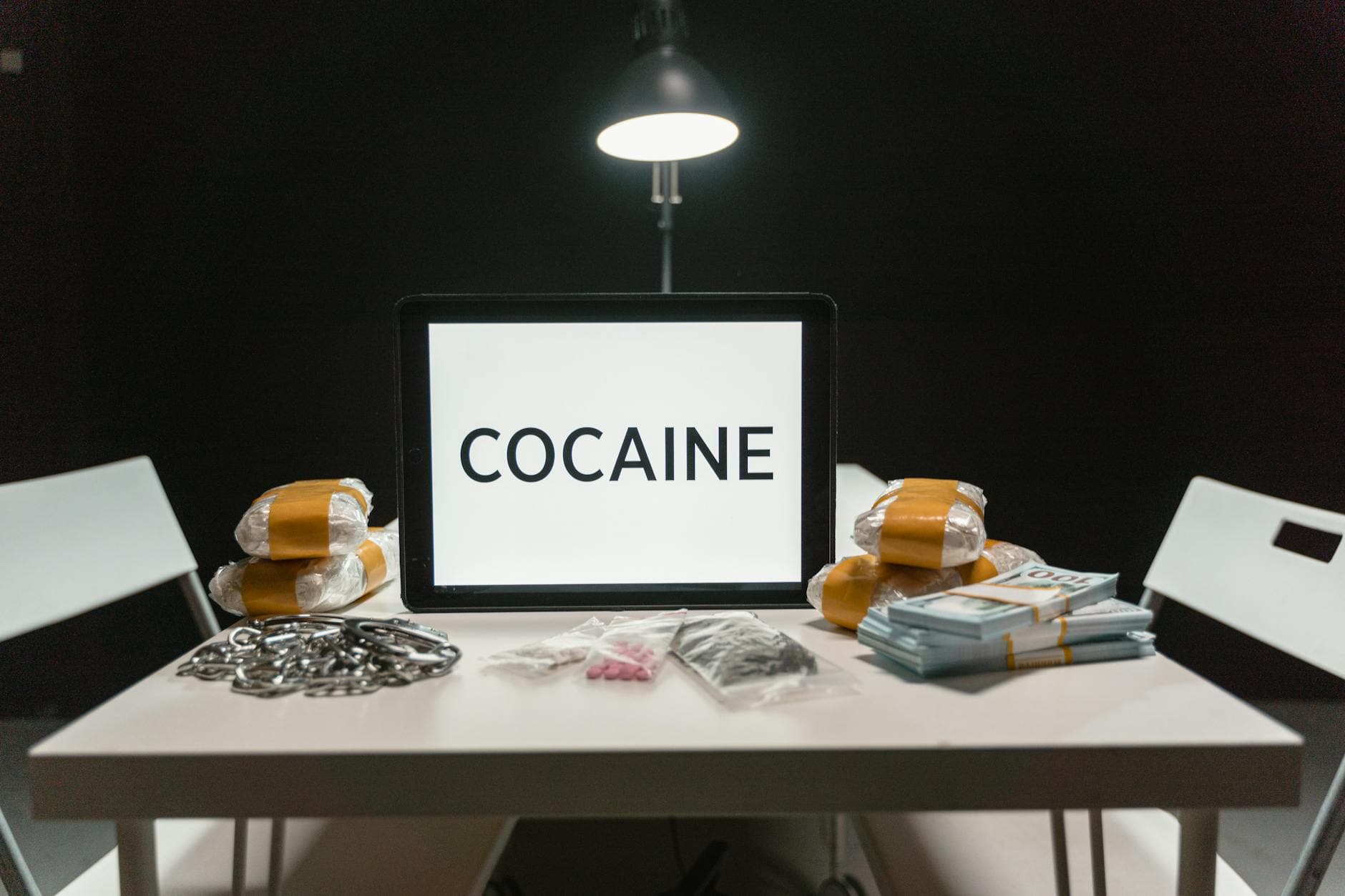
A sitting Mexican governor and nine other current and former officials in Sinaloa were accused of something more damaging than bribery alone: helping turn parts of the state into a shield for the Sinaloa Cartel. Federal prosecutors in Manhattan said the defendants conspired to move massive quantities of fentanyl, heroin, cocaine and methamphetamine into the United States while trading political support and protection for money and influence.
The indictment, unsealed on April 29 in Manhattan federal court, named Rubén Rocha Moya, who has served as governor of Sinaloa since November 2021, along with officials described as current and former government and law enforcement figures. Prosecutors said the arrangement helped cartel members avoid investigation, arrest and prosecution, a classic case of state capture in which criminal power does not merely corrupt institutions from the outside but works through them. The case was assigned to U.S. District Judge Katherine Polk Failla.
For U.S. border security, the significance is immediate. Washington has spent years trying to stop the flow of fentanyl and other drugs through tighter enforcement, intelligence sharing and cooperation with Mexican authorities. But if officials inside a border state are allegedly working hand in glove with the cartel, then the problem is no longer only smuggling routes and stash houses. It is the reliability of the institutions the United States depends on to disrupt them. That makes every interdiction, extradition request and cross-border investigation more fragile.
U.S. Attorney Jay Clayton said the cartel had flooded communities with dangerous drugs for decades and could not operate so freely without corrupt politicians and law enforcement on its payroll. The DEA said one defendant, Terrance C. Millan, was also charged in connection with the kidnapping of a DEA source and the source’s relative, both of whom died. Mexico said it had received multiple U.S. extradition requests, though it did not identify the people sought or say how it would respond.
The case is highly unusual. Indictments against sitting senior Mexican politicians are rare, and the charges widen the focus from cartel leaders to the public officials alleged to have protected them. The move comes after the Justice Department unsealed narco-terrorism and material-support-of-terrorism charges against alleged Sinaloa Cartel leaders in May 2025, underscoring how aggressively U.S. prosecutors have moved against the organization. The new indictment suggests that dismantling the cartel now means confronting not just traffickers, but the political cover that may have allowed them to operate.
This article was produced by Prism’s automated news system from verified source data, official records, and press releases, then run through automated quality and moderation checks before publishing. The system is built and supervised by the people who set the standards it runs under. Read our full AI policy.
Did this article answer your question?


