Couple builds 400 sq ft tiny home for mother at $33,000
A Texas couple built a roughly 400 sq ft tiny home for about $33,000 after turnkey bids hit $97,000. Their DIY approach cut costs while hiring pros for foundation and electrical work.

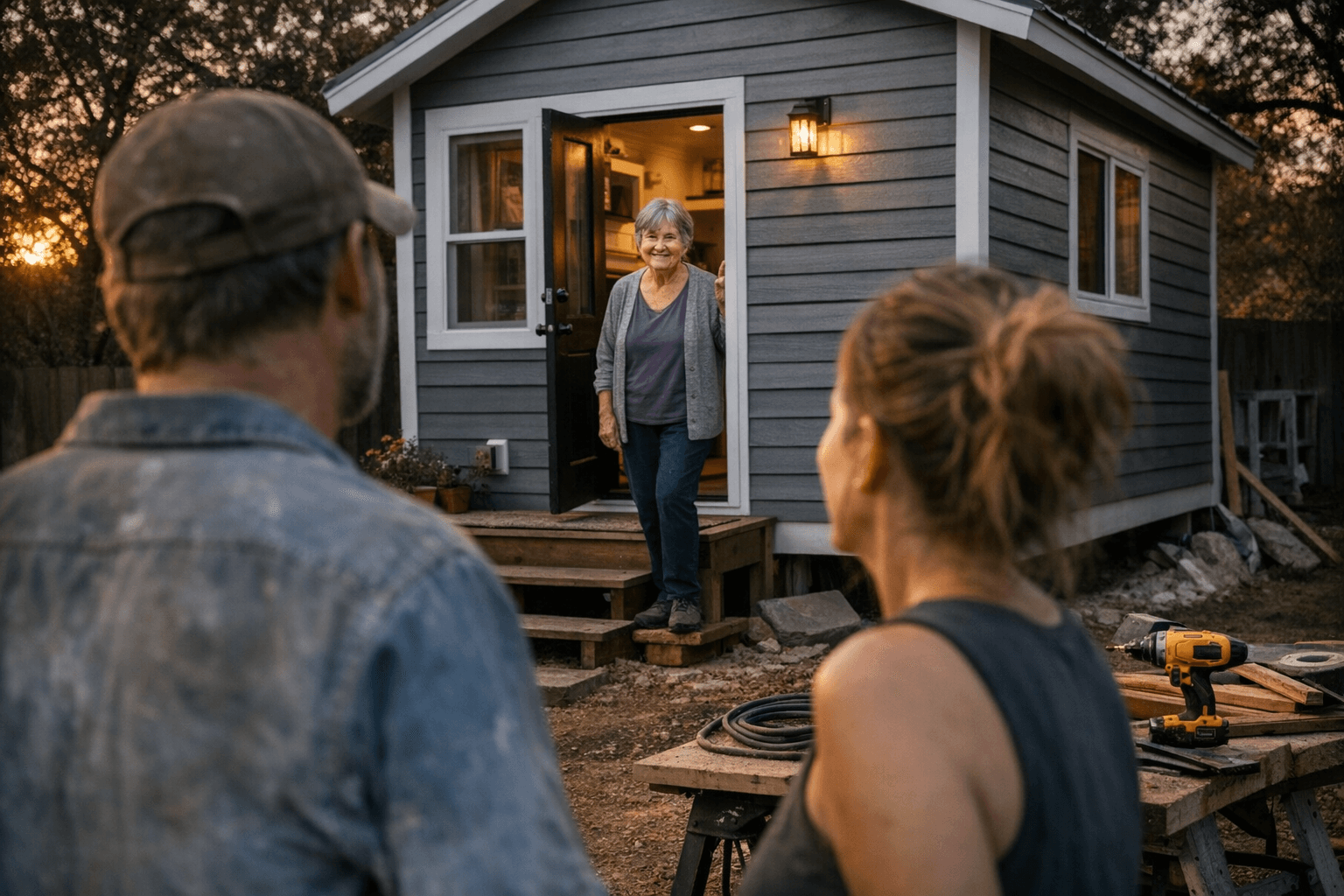
Yeli Heidecker and her husband designed and built a roughly 400 square foot permanent tiny home on family land in central Texas for Heidecker’s mother, completing the bulk of the work in about two months and spending approximately $33,000. Faced with contractor estimates as high as $97,000 for a turnkey build, they chose a hands-on route that kept the project affordable while prioritizing safety and code compliance where it mattered most.
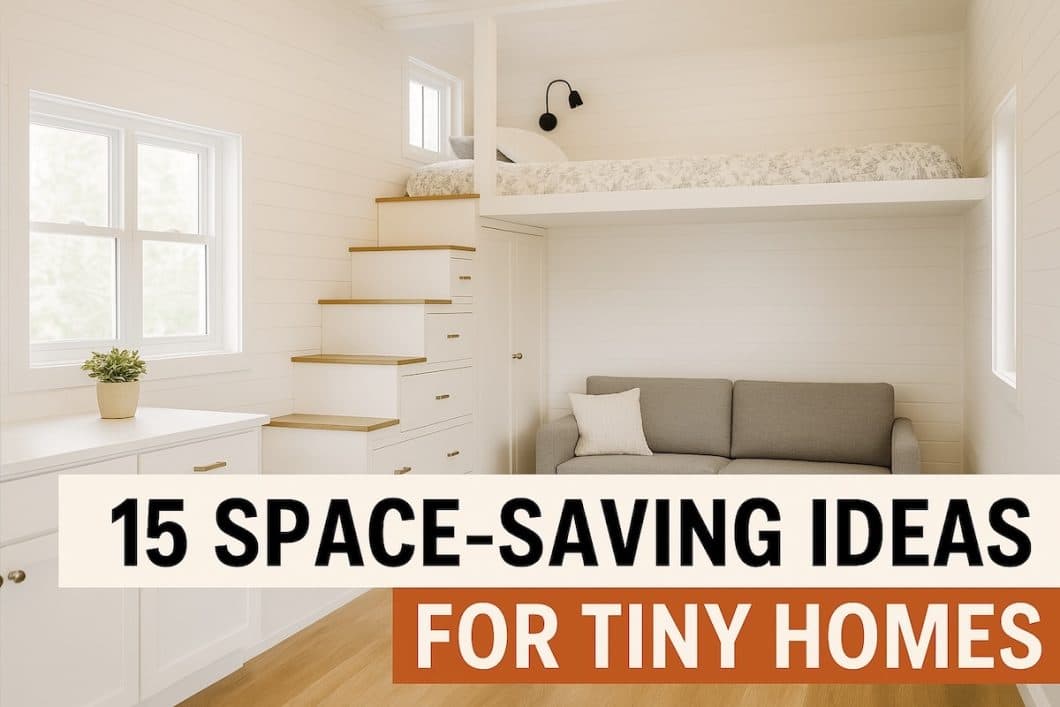
The finished layout delivers typical tiny house efficiencies with everyday comforts: an open-concept living area, a full kitchen equipped with full-size appliances, a bedroom sized to fit a queen bed and built-in storage, and a bathroom that at the time of reporting still needed a few finishing touches. Rather than a movable RV-style unit, this structure sits on a poured concrete slab foundation to create a permanent, accessible home.
Their cost strategy relied on doing the majority of labor themselves after a steep learning curve. The couple researched construction techniques, watched tutorials, and staged the work around family life — including coordinating projects with young children on site. They hired licensed professionals for the two tasks beyond their skillset: pouring the concrete slab and completing electrical wiring. Those decisions were driven by safety, inspection requirements, and the need to meet local building codes.
The tradeoffs are familiar to the tiny-house community. The build demanded significant time and physical labor, coordination with family responsibilities, and compromise on project pace to preserve comfort for an older occupant. The payoff has been practical: a right-sized dwelling that supports multigenerational living, closer family connections, and a clear example of how DIY approaches can lower the barrier to permanent small-home ownership.
For readers weighing a similar path, this project highlights key planning choices: prioritize professional help for foundation and electrical work, design interior spaces to maximize storage and accessibility, and expect manual labor and scheduling challenges when balancing family life with construction. A full kitchen with full-size appliances and a bedroom that accommodates a standard mattress make the house livable for long-term aging in place, rather than a short-term or recreational unit.

Heidecker’s project underscores that permanent tiny homes can be both affordable and comfortable when homeowners pick the right mix of DIY effort and licensed trades. As the final bathroom details are completed, the house will soon move from build mode to daily life, offering a practical model for families exploring multigenerational, right-sized housing solutions.
Sources:
Know something we missed? Have a correction or additional information?
Submit a Tip