Court revives Atlantic City casino pricing lawsuit over software overcharges
A federal appeals court revived a suit accusing Atlantic City casinos of using Rainmaker software to keep room rates high, reopening a test of AI pricing under antitrust law.
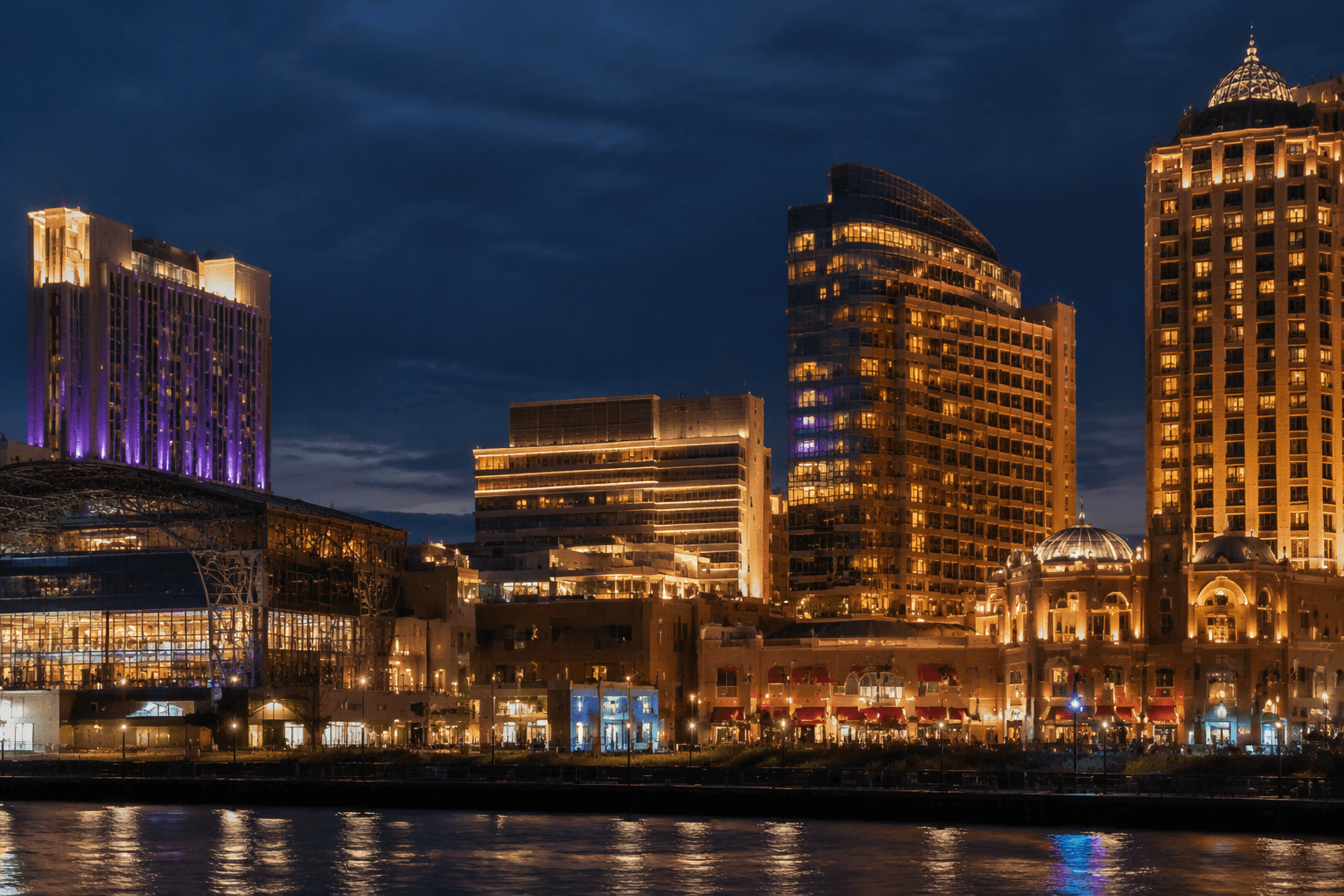
A federal appeals court revived an Atlantic City casino-room-rate antitrust suit, giving guests another chance to argue that common pricing software helped keep hotel prices high. The precedential ruling from the U.S. Court of Appeals for the Third Circuit reopened Cornish-Adebiyi v. Caesars Entertainment, Inc., No. 24-3006, after a lower court dismissal in the District of New Jersey. Plaintiffs Karen Cornish-Adebiyi, Luis Santiago and Monica Blair-Smith say Caesars, MGM Resorts International and other casino-hotel operators used Cendyn’s Rainmaker platform to coordinate room prices and overcharge guests who booked stays in Atlantic City since 2018.
The case was filed on May 9, 2023 and had been dismissed with prejudice on Sept. 30, 2024 by U.S. District Judge Karen M. Williams of the District of New Jersey, Camden Vicinage. That ruling would have ended the case in that court. The Third Circuit’s revival does not decide whether the defendants broke the law, but it restores the plaintiffs’ chance to try to prove that the pricing system did more than reflect market conditions.

The legal issue is whether common use of the same revenue-management software can support an inference of unlawful coordination or price fixing under antitrust law. That is a demanding standard. The plaintiffs still must show more than parallel behavior or a shared vendor relationship. They have to persuade the court that Rainmaker, described in the filings as an algorithmic or AI-powered pricing platform, helped stabilize room rates in a way that amounted to collusion rather than ordinary independent pricing.
The defendants named in the appeal include Caesars Entertainment; Boardwalk Regency LLC, doing business as Caesars Atlantic City Hotel & Casino; Harrah’s Atlantic City Operating Company LLC, doing business as Harrah’s Resort Atlantic City Hotel & Casino; Tropicana Atlantic City Corporation, doing business as Tropicana Casino and Resort Atlantic City; MGM Resorts International; Marina District Development Company LLC, doing business as Borgata; and Cendyn and Rainmaker Group Unlimited, Inc. The fight is over hotel room rates, not casino gambling prices, and the plaintiffs argue that software-driven coordination helped keep those rates elevated for years.
The revival carries implications far beyond Atlantic City. Airlines, hotels, rental cars, ride-hailing services and retailers increasingly rely on dynamic pricing tools that change rates in real time based on demand, competitor behavior and other signals. If courts are willing to let these claims proceed, companies may face more litigation over how much they understand about the pricing tools they buy and whether those tools are nudging rivals into lockstep behavior. Economic Liberties called the ruling a warning shot against market-rigging technology, and the American Antitrust Institute backed the plaintiffs in an amicus filing. For consumers, the case turns on a simple question with broad consequences: when computers help set prices together, is that efficiency or illegal coordination?
This article was produced by Prism’s automated news system from verified source data, official records, and press releases, then run through automated quality and moderation checks before publishing. The system is built and supervised by the people who set the standards it runs under. Read our full AI policy.
Did this article answer your question?