Sony makes acquisition proposal for lens maker Tamron
Sony proposed buying Tamron, and the lens maker set up a special committee as a roughly 200 billion yen takeover price circulated.
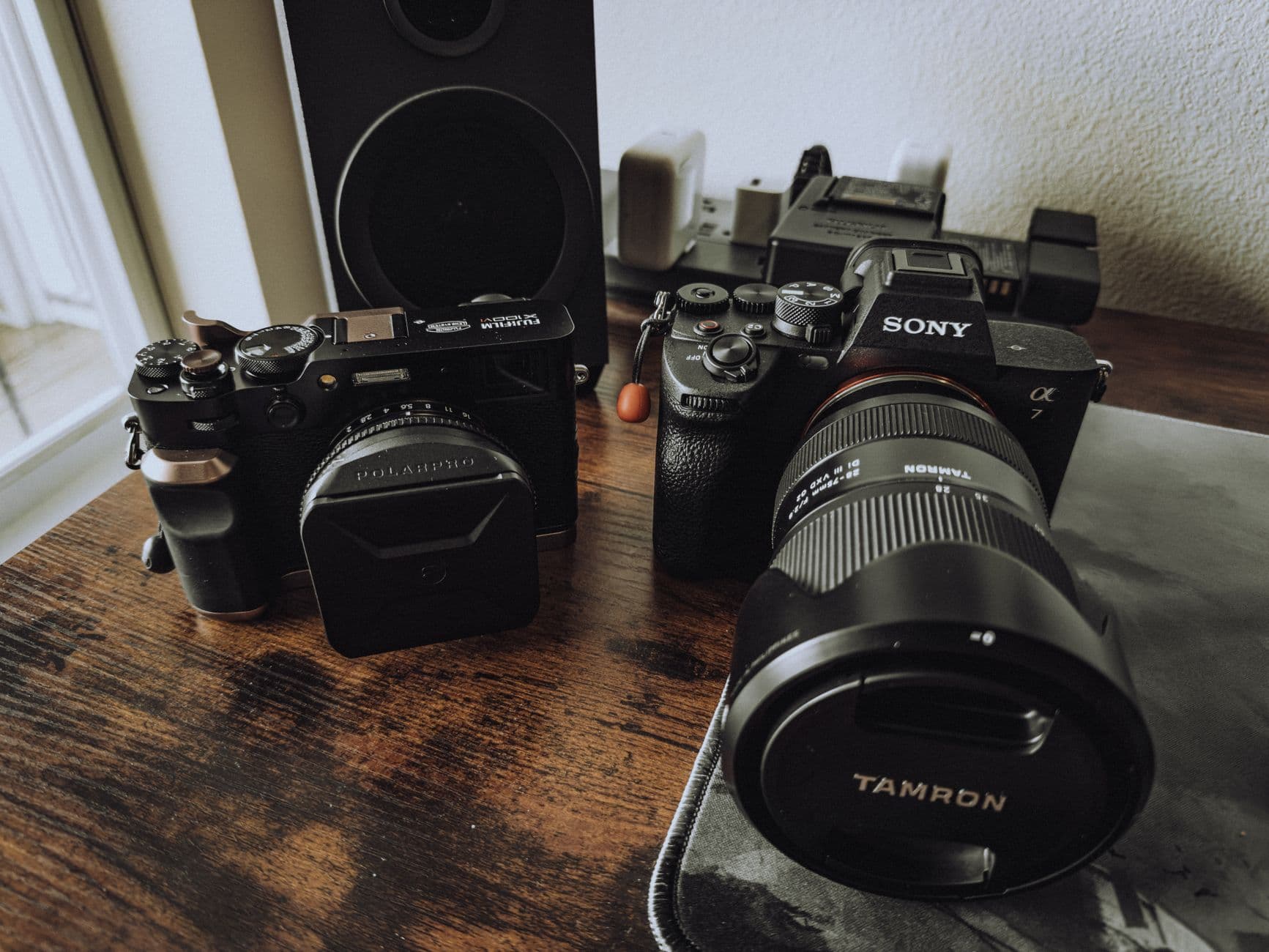
Sony made an acquisition proposal to Tamron, and Tamron said it had received a non-binding offer from Sony Group and formed a special committee to review its options. The proposal discussed would make Tamron a wholly owned Sony Group subsidiary.
The move reaches into a business where Sony already has deep exposure and where Tamron remains a key specialist. Tamron makes more than 20 lenses for Sony E-mount mirrorless cameras, and it also supplies lenses to Nikon and Canon, so any ownership change would extend across parts of Japan’s camera ecosystem. One estimate put the deal at roughly 200 billion yen, close to Tamron’s market capitalization of 182.83 billion yen on July 29. For Sony, taking control of a major lens maker would tighten its grip on the imaging stack, from sensors and camera bodies to the optics that still shape performance in premium and professional gear.

That industrial logic matters because the market has been under pressure for years. Smartphone photography has eaten into mass-market camera demand, while lower-cost manufacturers have squeezed pricing across consumer optics. Tamron’s fiscal 2025 revenue was 85.07 billion yen, down 3.85% from the previous year, and revenue in the quarter ended March 31, 2026 was 18.49 billion yen. In that setting, a combination with Sony could help spread development costs, align product design more closely, and support margins in niches where optical quality still commands a premium, including high-end cameras and machine-vision applications.
Tamron’s history also underlines what is at stake. The company was founded in 1950 as Taisei Kogaku and built its reputation as an independent Japanese optics specialist with a loyal following among photographers and professionals. A formal committee now has to weigh Sony’s approach, and the process gives Tamron room to test valuation, ownership terms and the impact on its brand identity. More broadly, the approach fits a Japanese corporate landscape that has become more open to strategic combinations as investors and policymakers press companies to improve capital efficiency and sharpen governance.
This article was produced by Prism’s automated news system from verified source data, official records, and press releases, then run through automated quality and moderation checks before publishing. The system is built and supervised by the people who set the standards it runs under. Read our full AI policy.
Did this article answer your question?