Japan cuts growth outlook as higher energy costs weigh on economy
Japan cut its fiscal 2026 growth forecast to 0.9% from 1.3% as higher oil prices squeezed households and firms, while inflation was lifted to 2.2%.

Japan cut its fiscal 2026 growth forecast to 0.9% from 1.3% as higher oil prices tied to Middle East tensions squeezed household spending and corporate profits. Officials also lifted the inflation outlook to 2.2% and trimmed private consumption and capital spending forecasts, underscoring how imported energy costs are feeding directly into the economy.
The downgrade lands at a sensitive moment for Japan, where energy dependence makes the country unusually exposed to swings in crude and gas prices. Higher fuel costs move quickly through household utility bills, transport costs and factory inputs, then show up in weaker discretionary spending and thinner corporate margins. That is especially damaging in an economy that has been trying to sustain a recovery without letting inflation outpace wage gains.
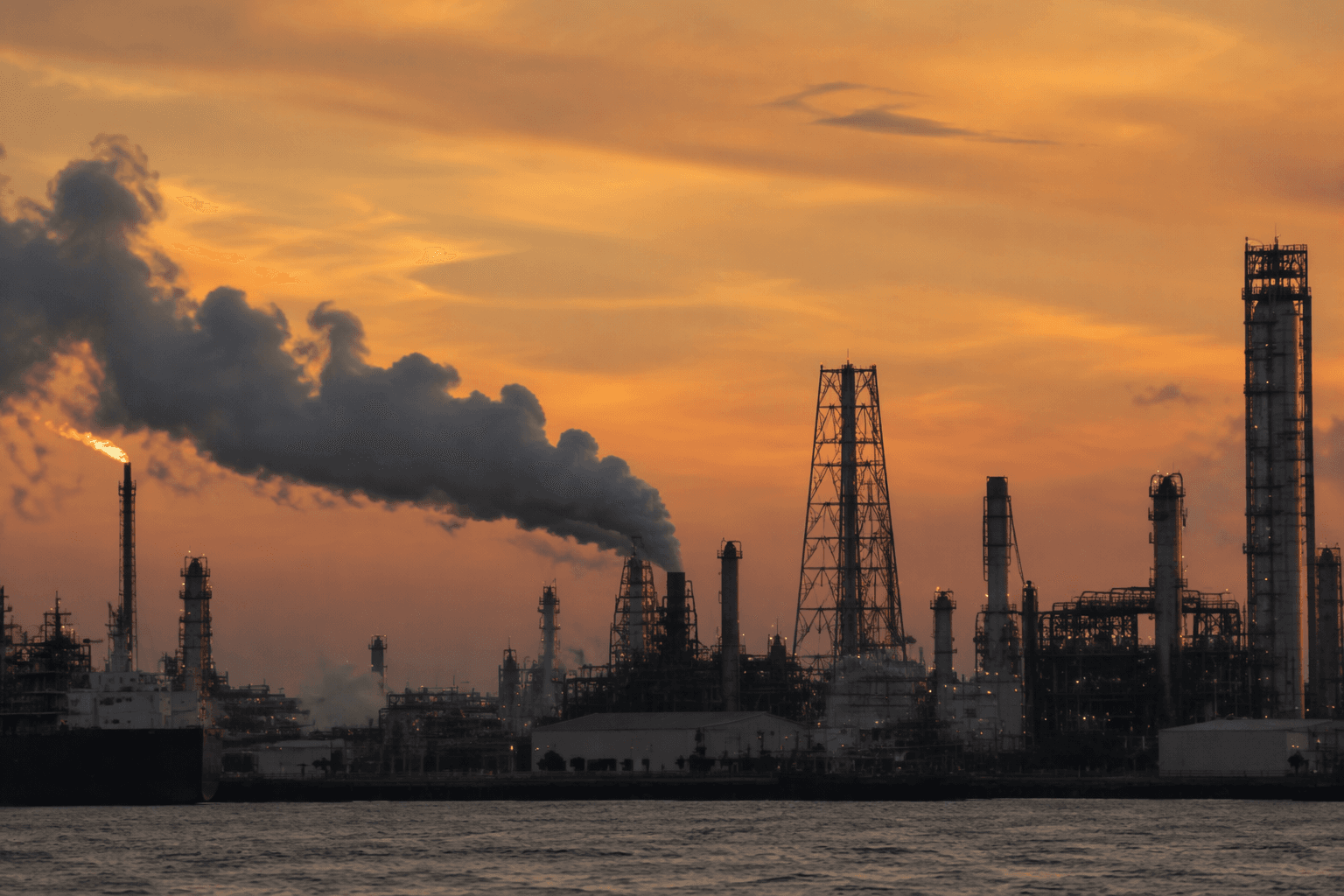
The Bank of Japan had already warned in its April 28 Outlook for Economic Activity and Prices that growth would likely decelerate in fiscal 2026 because rising crude oil prices reflecting the situation in the Middle East were expected to push down corporate profits and households’ real income through a deterioration in the terms of trade. On May 21, policy board member Junko Koeda said in Fukuoka that the geopolitical risks tied to the Middle East had materialized that spring.
The policy dilemma is becoming sharper for Japan’s government and central bank. The government has been highlighting mounting inflationary pressure, even as it tries to avoid squeezing demand too hard. In April, it was considering about $3.1 billion in summer power subsidies as energy costs rose, a sign that officials are still leaning on temporary relief measures to cushion households from higher bills.
For businesses, the combination of expensive imports and softer consumer demand threatens to delay investment and hiring decisions. The Cabinet Office’s cut to capital spending expectations signals that firms may be becoming more cautious about expanding at a time when costs are climbing faster than revenues. Private consumption, the largest part of Japan’s economy, is also under strain as households absorb higher fuel and electricity expenses.
The outlook downgrade adds to a wider concern that Japan’s recovery remains fragile. Even with exports and some corporate profits holding up, the imported energy bill is eroding purchasing power and complicating efforts to keep inflation near target without choking off growth.
This article was produced by Prism’s automated news system from verified source data, official records, and press releases, then run through automated quality and moderation checks before publishing. The system is built and supervised by the people who set the standards it runs under. Read our full AI policy.
Did this article answer your question?