CPS orders faster hate crime charges amid rise in antisemitic incidents
Faster hate-crime charging may reassure Jewish communities, but the real test is whether speed improves justice without weakening case quality.

The Crown Prosecution Service has ordered prosecutors in England and Wales to move faster on hate crime charges, a shift meant to answer rising antisemitic incidents while preserving the quality of cases. The new guidance lowers the time spent waiting for every supporting document before a charging decision, but it also raises a sharp institutional question: whether quicker decisions can strengthen public confidence without cutting corners.
Published on 5 May 2026 by Director of Public Prosecutions Stephen Parkinson, the updated guidance says charging decisions should be made once the evidential threshold is met, even if some supporting evidence can be gathered later. In appropriate cases, prosecutors may rely at the charging stage on a reliable victim account together with injury descriptions, photographs or medical records. The CPS also said some pre-charge disclosure requirements in hate crime cases would be reduced, a change designed to ease the burden on police and speed the route from arrest to charge.

Parkinson said recent violence and criminal damage against the Jewish community, including what he called an appalling attack on members of the Jewish community in London, had been deplorable. He said people had been arrested and charged and that those cases would be dealt with as quickly as possible. The CPS has also said antisemitic hate crime is an attack on the values of respect, tolerance and the rule of law, language that shows how sharply the service now links case handling to public confidence.
The change lands as the CPS is already dealing with record volumes. Between July and September 2025, police sent 4,358 hate-crime flagged referrals, up 14.7 per cent from the previous quarter. The service completed 4,079 prosecutions in the same period, secured an 85 per cent conviction rate and saw four out of five convictions receive a hate crime uplift in sentencing. In January 2026, the CPS said it was working on the highest ever number of hate crime cases, underscoring the pressure on prosecutors to process referrals more efficiently.

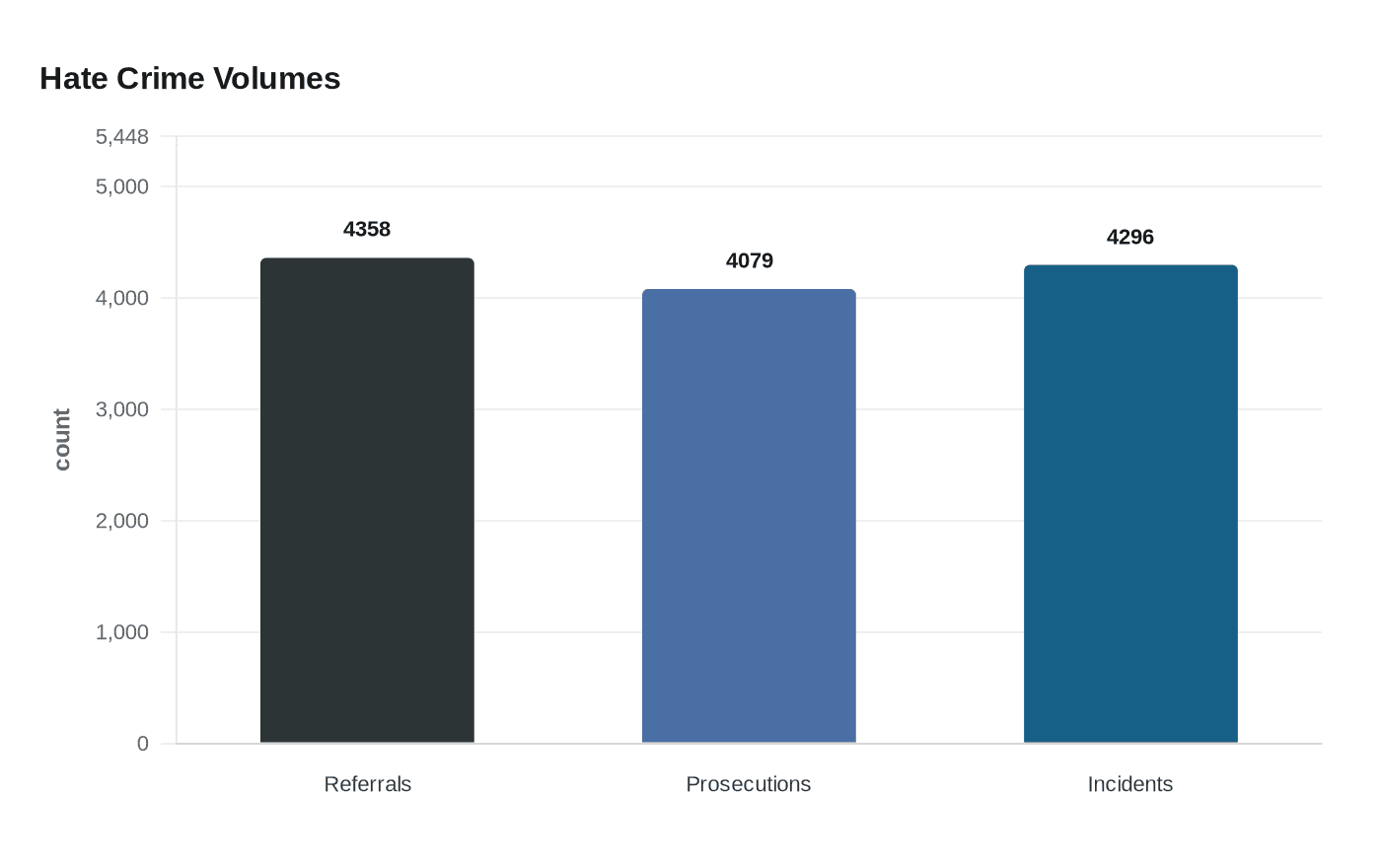
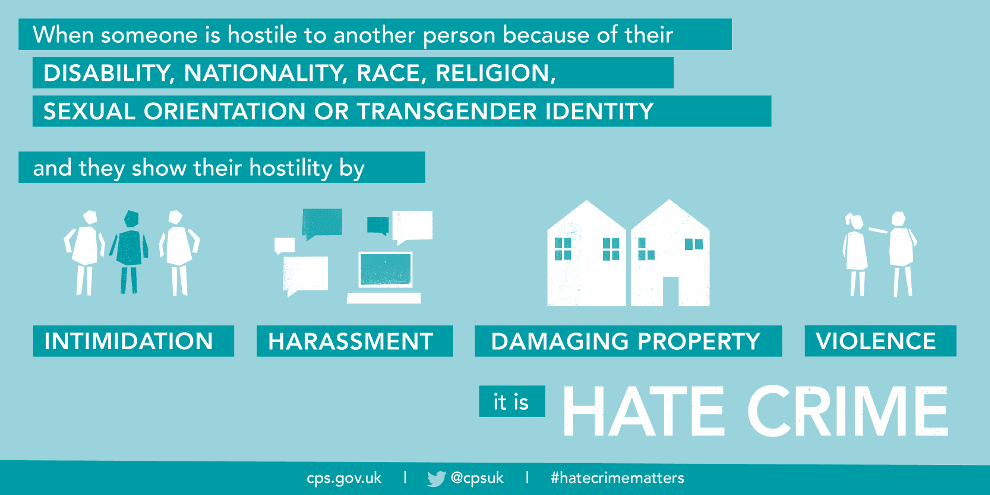
The legal framework remains broad. Hate crime is covered by legislation including the Crime and Disorder Act 1998 and section 66 of the Sentencing Act 2020, which allows sentencing uplifts for convictions involving hostility based on disability, race, religion, sexual orientation or transgender identity. The Community Security Trust told Parliament that 2023 brought 4,296 anti-Jewish hate incidents, the highest total it had recorded, and that 2,699 of those, or 66 per cent, came on or after 7 October 2023. With antisemitic incidents at historic highs and pressure mounting for stronger CPS structures, the new guidance puts speed, evidence and scrutiny at the center of Britain’s response.
This article was produced by Prism’s automated news system from verified source data, official records, and press releases, then run through automated quality and moderation checks before publishing. The system is built and supervised by the people who set the standards it runs under. Read our full AI policy.
Did this article answer your question?

